Discovering Northern Thailand Indigenous Tribes at Hmong Doi Pui Village with Doi Suthep Day Tour
Experience the rich culture of Northern Thailand Indigenous Tribes through immersive day and combined tours featuring Hmong Doi Pui Village and nearby sacred sites.
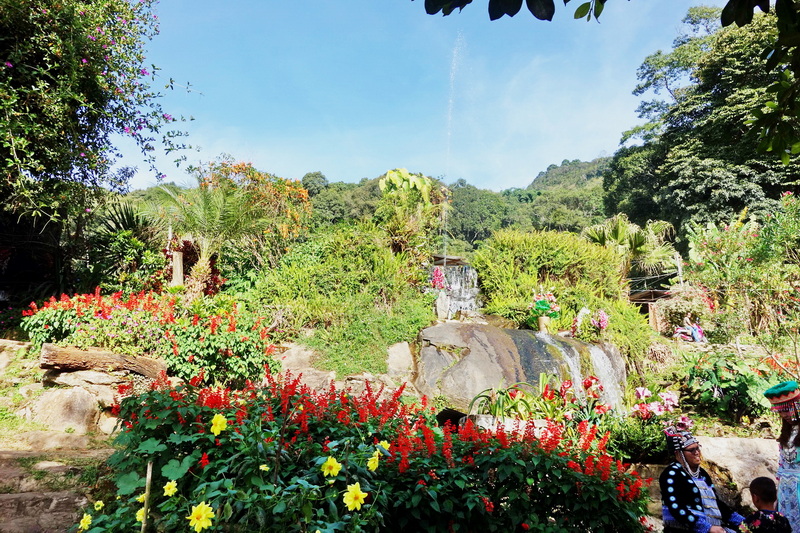
Northern Thailand is home to a diverse array of indigenous tribes whose cultures and traditions have thrived in the mountainous landscapes for centuries. Among these communities, the Hmong people of Doi Pui Village offer a unique window into hill tribe life, customs, and artistry. Visiting Hmong Doi Pui Village provides travelers with an authentic cultural experience that highlights traditional lifestyles and the resilience of indigenous heritage. For those planning a cultural itinerary, combining visits to Hmong Doi Pui Village with a Doi Suthep day tour is an excellent way to enrich your understanding of the region. These tours often include stops at important spiritual and natural sites, allowing visitors to experience both the cultural and religious facets of Northern Thailand. Additionally, combined tours that cover Doi Suthep and Doi Pui offer a comprehensive journey through the area's indigenous communities and revered temples. This article explores the indigenous tribes of Northern Thailand with a focus on the Hmong Doi Pui Village, detailing the options for day and combined tours to Doi Suthep and Doi Pui. It also highlights nearby attractions such as Wat Phra That Doi Suthep and Wat Pha Lad, providing a thoughtful cultural itinerary for travelers seeking meaningful and respectful encounters with Northern Thailand’s heritage.
Understanding Northern Thailand Indigenous Tribes
Northern Thailand is renowned for its rich tapestry of indigenous groups, each with distinct languages, customs, and histories. Among these, the Hmong tribe is one of the most prominent hill tribes, known for their intricate embroidery, vibrant textiles, and strong community spirit. The Hmong people have historically lived in mountainous areas, maintaining a lifestyle closely tied to agriculture and traditional crafts. Travelers researching Northern Thailand Indigenous Tribes can use these details when planning the trip. Travelers researching Doi Suthep and Doi Pui tour can use these details when planning the trip.
The indigenous tribes in this region, including the Karen, Lisu, Lahu, and Akha, contribute to the cultural diversity that defines Northern Thailand. Their villages are often situated in remote, scenic locations, preserving ways of life that have changed little over generations. Visitors to these communities gain insight into indigenous knowledge systems, social structures, and spiritual beliefs.
Respect for the dignity and autonomy of these communities is paramount. Ethical tourism practices encourage visitors to engage with indigenous cultures in ways that support local livelihoods without exoticizing or commodifying their heritage. This approach ensures that cultural encounters remain educational and mutually respectful.
Exploring Doi Suthep with a Day Tour
Doi Suthep is one of Chiang Mai’s most revered spiritual sites, offering visitors a blend of natural beauty and religious significance. A Doi Suthep day tour typically includes a visit to Wat Phra That Doi Suthep, a temple perched on a mountaintop with panoramic views of Chiang Mai below. The temple is an important pilgrimage destination and features stunning Lanna architecture, intricate carvings, and sacred relics.
These tours often begin with a scenic drive up the mountain, followed by a climb or ride up the temple’s iconic staircase guarded by mythical Naga serpents. Visitors can observe Buddhist rituals, learn about the temple’s history, and enjoy the peaceful atmosphere surrounded by forested hills.
Combining a visit to Doi Suthep with a cultural experience at a nearby indigenous village allows travelers to appreciate both the spiritual and cultural dimensions of the region. Doi Suthep day tours are accessible for most travelers and provide a meaningful introduction to Northern Thailand’s religious heritage.
Experiencing Combined Tours: Doi Suthep and Doi Pui
For travelers seeking a more immersive cultural itinerary, combined tours to Doi Suthep and Doi Pui offer a well-rounded experience. These tours integrate the spiritual allure of Doi Suthep with a visit to Hmong Doi Pui Village, allowing guests to engage with indigenous culture firsthand.
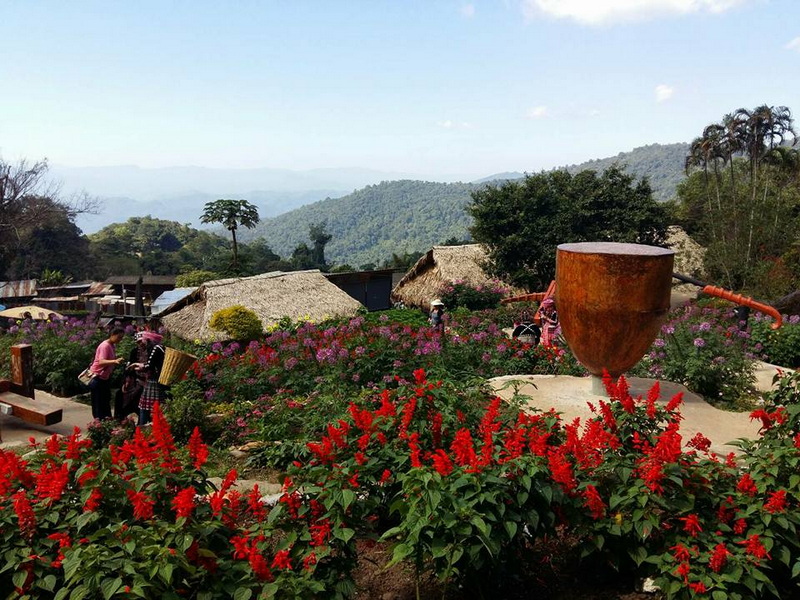
At Hmong Doi Pui Village, visitors can observe traditional farming practices, explore local handicraft markets, and learn about the Hmong people's history and customs. The village is situated in a lush mountainous area that supports both agriculture and tourism, providing a sustainable livelihood for its residents.
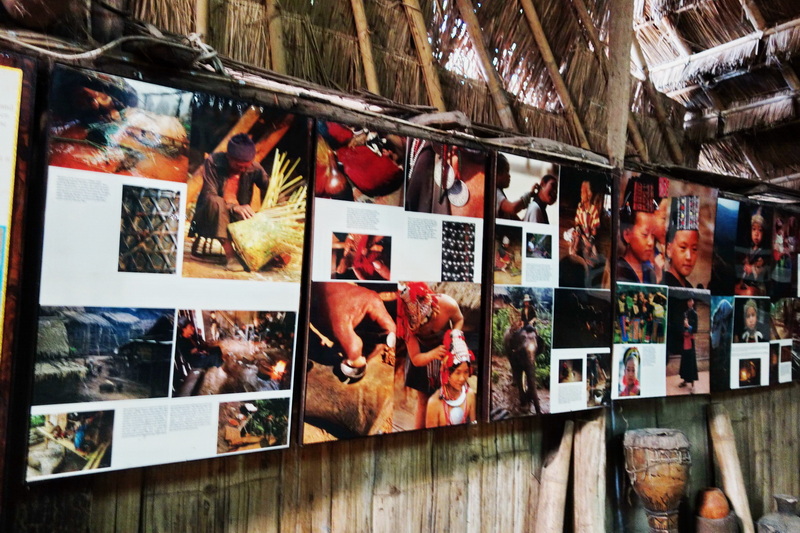
This combined tour format respects the community’s dignity, avoiding spectacle framing and instead fostering genuine cultural exchange. Guides often share insights into the significance of traditional clothing, rituals, and daily life, enriching the visitor’s understanding of the Hmong people’s heritage.
These tours also typically include brief stops at natural sites such as waterfalls or viewpoints, enhancing the connection between culture and landscape that defines Northern Thailand’s hill tribes.
Cultural Sensitivity and Ethical Tourism in Indigenous Visits
Engaging with indigenous communities like those at Hmong Doi Pui Village requires cultural sensitivity and ethical considerations. Travelers should approach visits with respect for local customs, privacy, and consent. Photography should be requested thoughtfully, and interactions should avoid reinforcing stereotypes or reducing culture to entertainment.
Ethical tourism supports community development by prioritizing tours that contribute directly to local incomes and cultural preservation. Visitors are encouraged to purchase handmade crafts directly from artisans and participate in activities led by community members.
Understanding the historical context of indigenous peoples in Northern Thailand — including challenges related to land rights and modernization pressures — deepens appreciation and fosters responsible travel. This awareness helps maintain the dignity of indigenous cultures while promoting sustainable tourism practices.
Planning Your Visit to Hmong Doi Pui Village and Surroundings
When planning a trip to Hmong Doi Pui Village, consider combining it with a Doi Suthep day tour for a culturally enriching itinerary. Many tour operators offer combined options that facilitate smooth transportation and knowledgeable guides who provide context about both indigenous culture and Buddhist heritage.
The village is located within easy reach of Chiang Mai city and can be visited as part of a half-day or full-day tour, depending on your interests and time. Early mornings tend to be less crowded, allowing for more meaningful interactions with community members.
Nearby attractions such as Wat Phra That Doi Suthep and Wat Pha Lad complement the visit by offering spiritual and natural experiences. These sites enrich the journey by connecting cultural heritage with Northern Thailand’s scenic landscape.
Travelers should prepare for moderate walking and variable weather conditions, bringing appropriate attire and respectful clothing when visiting temples and indigenous communities.
Nearby Attractions
Wat Phra That Doi Suthep
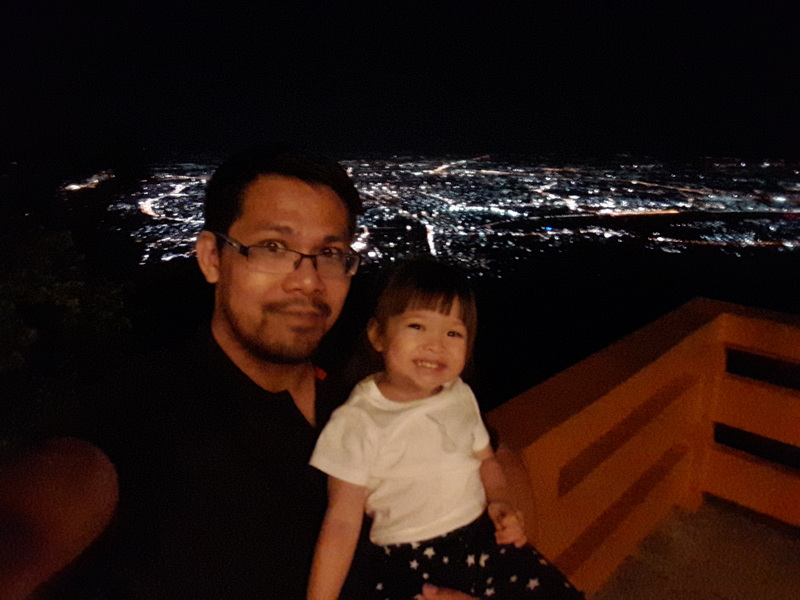
Wat Phra That Doi Suthep is a sacred Buddhist temple that stands as a symbol of Chiang Mai’s spiritual heritage. Located on Doi Suthep mountain, the temple offers visitors not only religious significance but also breathtaking views of the city below.
This temple is an important pilgrimage site for locals and visitors alike. Its golden chedi (stupa) is said to house relics of the Buddha, attracting devotees who come to pay their respects and participate in ceremonies. The temple complex includes ornate shrines, statues, and beautifully crafted murals depicting Buddhist teachings.
The serene forest setting and cool mountain air enhance the contemplative atmosphere, making it a peaceful retreat from urban life. Wat Phra That Doi Suthep is often paired with visits to nearby indigenous villages to create a balanced cultural and spiritual itinerary.
Wat Pha Lad
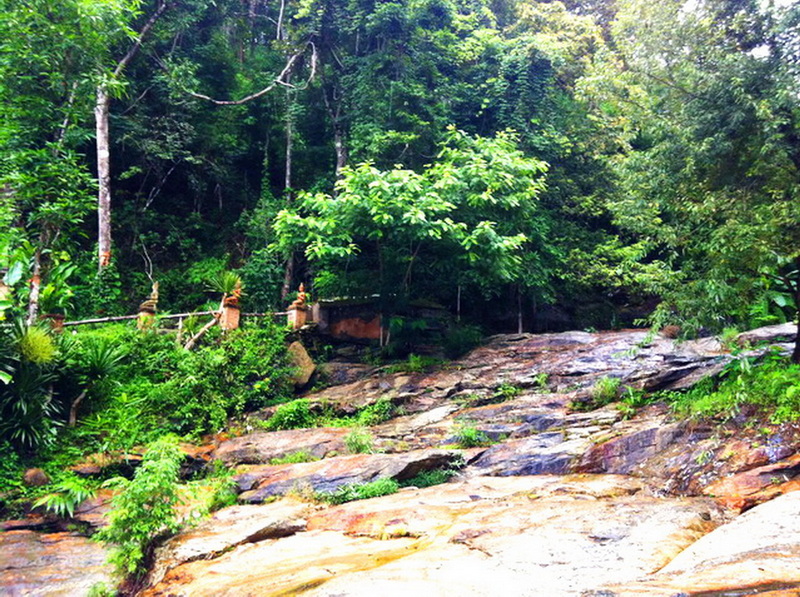
Wat Pha Lad is a lesser-known temple located near the Doi Suthep mountain area, offering a quieter and more intimate experience compared to its famous neighbor. Surrounded by lush forest, this temple is appreciated for its tranquility and natural beauty.
The site features traditional Lanna architecture and is an excellent spot for visitors interested in Buddhist meditation and nature walks. Wat Pha Lad’s peaceful environment provides a complementary experience to the more bustling Wat Phra That Doi Suthep.
Visitors to Wat Pha Lad often enjoy exploring nearby trails and enjoying the serene atmosphere that supports spiritual reflection and connection with nature.
A Last Look at the Journey
Exploring the Hmong Doi Pui Village alongside iconic sites like Doi Suthep and Wat Pha Lad offers travelers a profound glimpse into the heart of Northern Thailand’s indigenous heritage and spiritual traditions. By choosing day tours or combined itineraries that emphasize cultural respect and ethical engagement, visitors can build meaningful connections with local communities and deepen their understanding of this region’s rich cultural landscape. Whether drawn by the artistry of the hill tribes or the serene temples, these journeys enrich any travel experience with lessons in history, spirituality, and the enduring strength of indigenous cultures.



No comments:
Post a Comment