Exploring Ban Khun Chang Kian Authentic Thai Village and Hill Tribe Guides
Discover the authentic lifestyle of a northern Thai village and learn from knowledgeable Hmong village guides about hill tribe culture and traditions
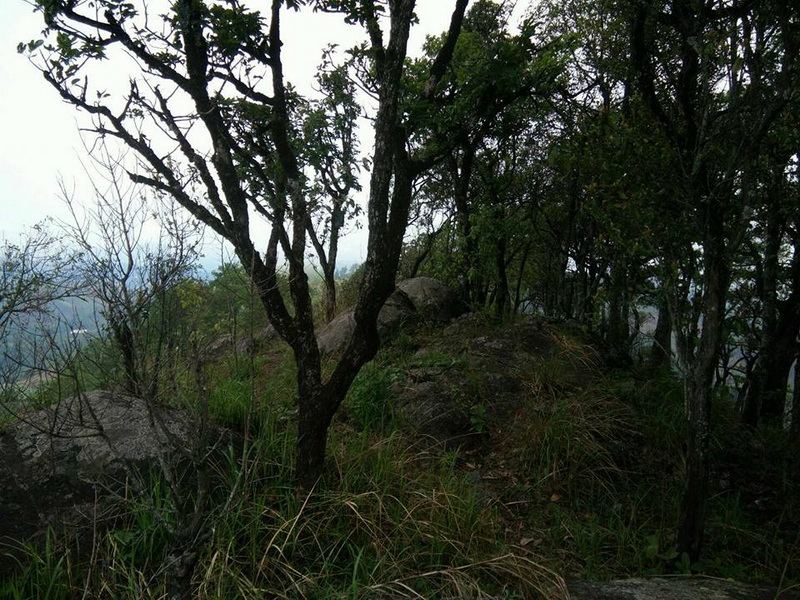
Nestled in the lush hills of Muang Chiang Mai, Ban Khun Chang Kian offers travelers a rare opportunity to experience an Authentic Thai Village Chiang Mai that embraces the rich heritage of the Hill Tribes of Northern Thailand. This village is renowned not only for its scenic beauty and traditional lifestyle but also for the vital role played by its Hmong Village Guides who share deep insights into their culture and history with visitors. Visiting Ban Khun Chang Kian is more than a sightseeing trip; it is an immersive cultural encounter that highlights the harmonious blend of nature, community, and indigenous knowledge. The village’s residents maintain time-honored customs and agricultural practices, providing a genuine glimpse into rural Thai life that remains largely untouched by mass tourism. The Hmong people, one of the prominent hill tribes in northern Thailand, contribute significantly to the village’s identity. Their guides act as cultural ambassadors, educating visitors on the tribe’s traditional attire, crafts, spiritual beliefs, and social structures. This respectful exchange fosters understanding and appreciation, making Ban Khun Chang Kian a meaningful destination for culture-focused travelers seeking authentic experiences.
Authentic Village Life at Ban Khun Chang Kian
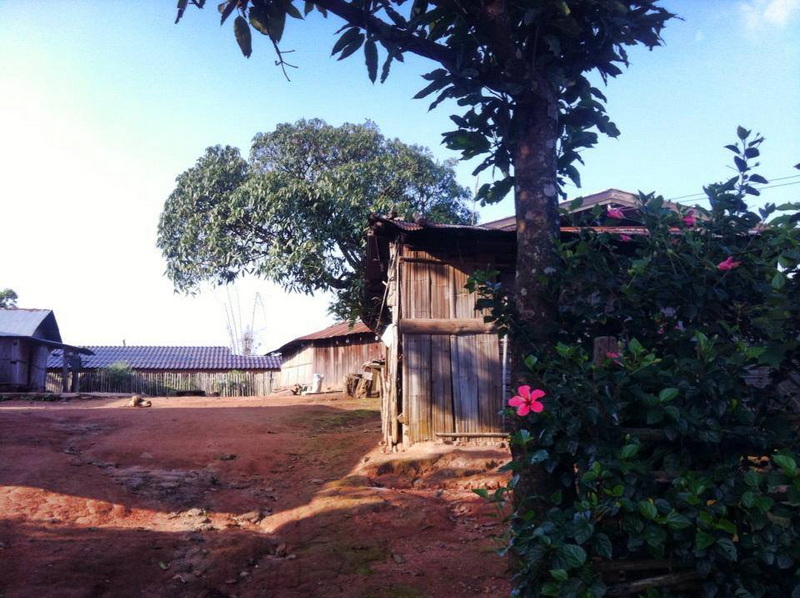
Ban Khun Chang Kian is a living example of an Authentic Thai Village Chiang Mai, where traditional lifestyles are preserved amidst a modernizing world. The village is set against a backdrop of rolling hills and terraced farms that cultivate vegetables and flowers, sustaining the community through agriculture. Visitors witness daily routines that include rice farming, weaving, and cooking with recipes passed down through generations.
The village architecture reflects northern Thai styles, with wooden houses elevated on stilts and decorated with intricate carvings. Community life is tightly knit, with residents supporting each other in festivals, rituals, and cooperative farming. This cohesion is palpable to visitors, who are often welcomed warmly and invited to participate in communal activities, creating authentic interactions rather than staged performances.
Respect for nature is integral to the village ethos. The surrounding forest and mountain environment provide resources and spiritual inspiration. Sustainable practices ensure that the ecosystem remains healthy, emphasizing a balance between human needs and environmental stewardship, which enhances the authenticity of the village experience.
Understanding the Hill Tribes of Northern Thailand
Northern Thailand is home to several hill tribe groups, each with distinct languages, customs, and histories. Among these, the Hmong community at Ban Khun Chang Kian stands out for its vibrant cultural heritage. The Hill Tribes of Northern Thailand have historically lived in mountainous areas, developing unique ways of life adapted to their environment.
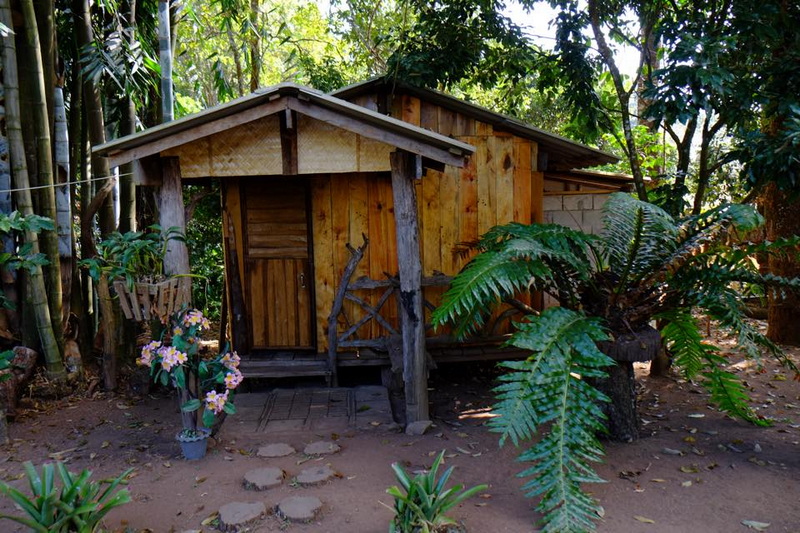
The Hmong people are known for their colorful textiles, intricate embroidery, and strong spiritual beliefs that blend animism with ancestor worship. Their festivals, such as the Hmong New Year, are occasions of great cultural expression, featuring traditional music, dance, and ceremonial dress. These cultural markers are preserved carefully within villages like Khun Chang Kian, where the community takes pride in maintaining their identity.
Understanding the Hill Tribes of Northern Thailand means appreciating their resilience and adaptability in the face of social and economic changes. The community’s engagement with tourism is approached thoughtfully, ensuring that visits support cultural preservation rather than commodification.
The Role of Hmong Village Guides in Cultural Preservation
Central to the visitor experience at Ban Khun Chang Kian are the Hmong Village Guides who serve as knowledgeable cultural interpreters. These guides are members of the local community trained to share their heritage in ways that are respectful and informative, bridging the gap between visitors and indigenous traditions.
Their guidance includes storytelling about the village’s history, explanations of traditional clothing and handicrafts, and insights into spiritual practices. By engaging directly with visitors, the guides foster meaningful exchanges that build trust and understanding, countering stereotypes and superficial impressions of hill tribe life.
Importantly, the guides emphasize ethical visitor behavior, encouraging respect for community norms and privacy. This approach helps sustain the dignity and consent of the hill tribe communities, ensuring tourism benefits the village without disrupting its social fabric. The Hmong Village Guide role is thus pivotal in balancing cultural education with community welfare.
Nearby Cultural Attractions Enriching the Visit
Ban Khun Chang Kian’s location in Muang Chiang Mai places it near several other cultural sites that complement the village experience. Just a short journey away is Wat Pha Lad, a serene Buddhist temple known for its peaceful atmosphere and historical significance. Visitors often combine a visit here with the village to appreciate the spiritual traditions influencing local hill tribe beliefs.
Another nearby attraction is Hmong Doi Pui Village, which offers additional perspectives on hill tribe life and culture. Like Ban Khun Chang Kian, Doi Pui provides opportunities to learn about traditional crafts, agriculture, and community organization among the Hmong people. Exploring these neighboring sites enriches a traveler’s understanding of northern Thailand’s diverse ethnic mosaic.
These nearby locations not only enhance the cultural narrative but also encourage responsible tourism by distributing visitor impact and highlighting the region’s interconnected heritage.
Embracing Ethical Tourism and Cultural Respect
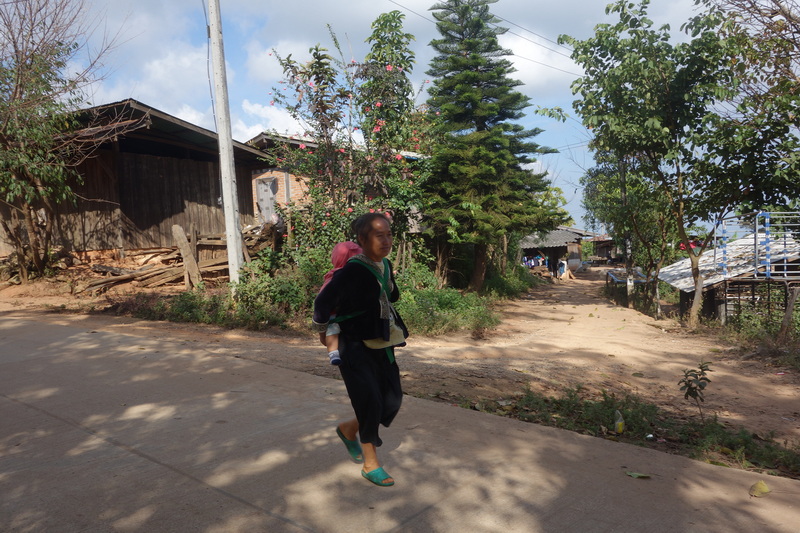
Visitors to Ban Khun Chang Kian are encouraged to approach their experience with cultural sensitivity and ethical awareness. This involves recognizing the dignity and consent of the hill tribe communities and avoiding exoticizing or spectacle-driven portrayals of their way of life.
Tourism here is framed as a respectful exchange rather than entertainment. Travelers are advised to listen attentively, ask thoughtful questions, and support local artisans and guides fairly. Such behavior fosters trust and encourages the preservation of traditions in a way that benefits both visitors and host communities.
By prioritizing ethical tourism principles, Ban Khun Chang Kian serves as a model for sustainable cultural tourism, where authenticity is maintained, and indigenous voices are honored.
Nearby Attractions
Wat Pha Lad
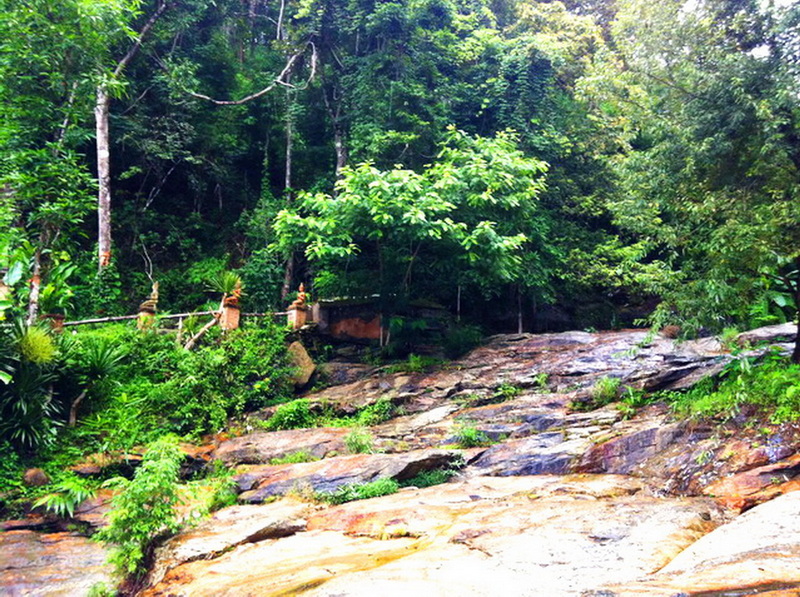
Wat Pha Lad is a tranquil Buddhist temple located near Ban Khun Chang Kian. Known for its peaceful ambiance and beautiful natural surroundings, the temple offers visitors a glimpse into northern Thailand’s spiritual traditions. The temple grounds are often quiet, providing a space for reflection and meditation.
The architecture and mural paintings reflect Lanna influences, connecting visitors to the historical kingdom that shaped much of the region’s culture. A visit to Wat Pha Lad complements the cultural experience of Ban Khun Chang Kian by highlighting the Buddhist practices that coexist with hill tribe animism in the area.
Hmong Doi Pui Village
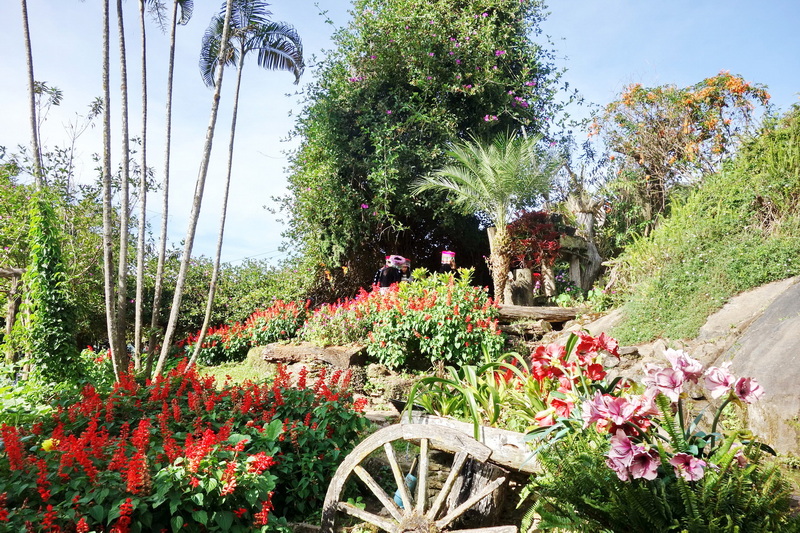
Hmong Doi Pui Village is another important hill tribe community near Ban Khun Chang Kian. This village showcases traditional Hmong culture through its crafts, agricultural methods, and community life. Visitors can observe weaving techniques and sample local foods, gaining further insight into the Hmong way of life.
The village also emphasizes cultural preservation and education, welcoming visitors who seek to understand the challenges and strengths of hill tribe communities in northern Thailand. Like Ban Khun Chang Kian, Doi Pui encourages respectful engagement and offers guided tours by local residents.
A Last Look at the Journey
Ban Khun Chang Kian stands as a testament to the enduring traditions and vibrant culture of the hill tribes in northern Thailand. Through the dedicated efforts of the Hmong Village Guides and the community’s commitment to authentic living, visitors are offered a respectful and enriching glimpse into a way of life that continues to thrive in harmony with nature. Exploring this village alongside nearby cultural sites like Wat Pha Lad and Hmong Doi Pui Village deepens one’s appreciation for the diverse heritage of Muang Chiang Mai. Travelers who seek meaningful cultural connections will find Ban Khun Chang Kian a rewarding destination that fosters understanding, respect, and lasting memories.



No comments:
Post a Comment