Su Tong Pae Bridge in a Combined Pai and Mae Hong Son Journey
A thoughtful route through bamboo landscapes, mountain culture, and complementary Mae Hong Son experiences
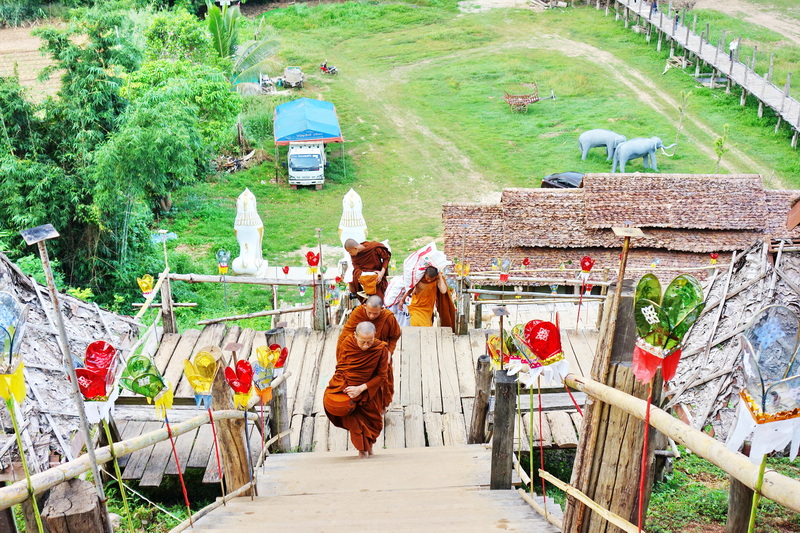
A journey from Chiang Mai through Pai and Mae Hong Son can be planned as more than a collection of famous viewpoints. It can also follow the character of the region: winding mountain roads, quiet settlements, forested hills, and places where community life remains closely connected to the landscape. Su Tong Pae Bridge fits naturally into that kind of journey. Known for its bamboo construction and rural setting, the bridge crosses fields near Mae Hong Son and offers a calm contrast to the busier parts of a multi-stop route. Visitors come to walk across it, observe the surrounding countryside, and understand how a local landmark can connect religious and community spaces. The experience is modest in scale, but its setting gives it lasting appeal. For travelers considering a Pai And Mae Hong Son Tour From Chiang Mai, the bridge works best as one part of a regional sequence rather than as an isolated destination. Combining it with carefully chosen Mae Hong Son Attractions, including forest and community-based places, creates a fuller picture of northern Thailand without reducing local culture to a quick photo stop.
Why Su Tong Pae Bridge Belongs on a Regional Route
Su Tong Pae Bridge is a bamboo footbridge in Mueang Mae Hong Son District, Mae Hong Son. It passes through a rural landscape of fields and greenery, creating a simple walking experience shaped by the seasons and the surrounding hills. The bridge is often associated with the connection between a local community and a temple area, which gives it meaning beyond its appearance as a scenic structure. Its design reflects practical local craftsmanship, while its setting shows how paths and shared spaces can support community life.
The appeal of the Su Tong Pae Bamboo Bridge is its sense of proportion. It does not need grand architecture or extensive facilities to be memorable. Bamboo underfoot, open farmland beside the walkway, and distant mountain views create an atmosphere that encourages visitors to slow down. The most rewarding approach is observational: notice the construction, listen to the surroundings, and allow time to appreciate the relationship between the bridge, the fields, and the people who maintain the area.
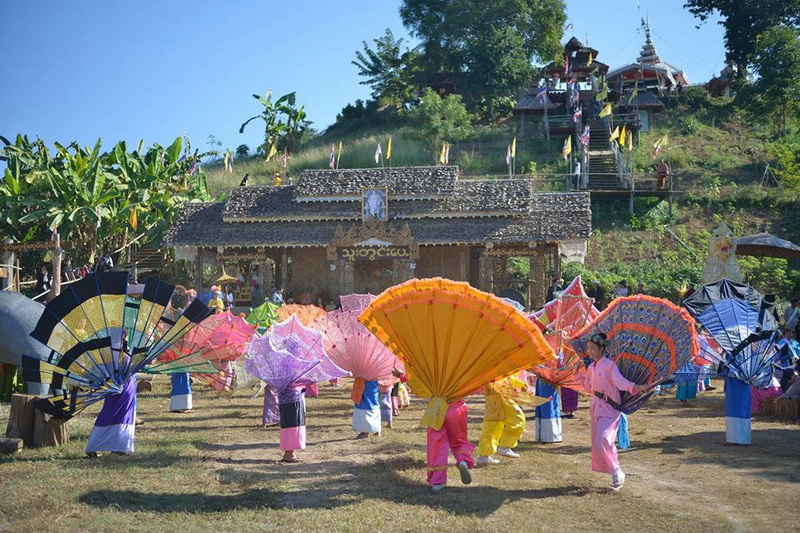
A visit also benefits from respectful behavior. The bridge is not merely a staged attraction; it sits within a living cultural landscape. Visitors should follow local guidance, avoid leaving rubbish, and be considerate when religious activity or agricultural work is taking place. Photography can be enjoyable, but it is better to observe people and ceremonies with discretion rather than treating them as scenery. These small choices help preserve the welcoming character that makes Sutongpae distinctive.
Reading Mae Hong Son Through Its Varied Attractions
The wider Mae Hong Son area rewards travelers who enjoy contrasts. The provincial capital has a peaceful lakeside setting and temples with distinctive northern cultural influences, while the surrounding countryside opens into valleys, plantations, forested slopes, and mountain communities. This variety is why Mae Hong Son Attractions work particularly well in a combined itinerary: each stop can contribute a different perspective instead of repeating the same scenic experience.
Su Tong Pae represents a rural and community-centered side of the region. Other stops may emphasize religious architecture, mountain viewpoints, local food traditions, or natural scenery. The important planning principle is balance. A route that includes only lookouts can feel hurried and visually similar, while a route that includes cultural landmarks, village areas, and nature sites gives travelers more opportunities to understand the province. The bridge is valuable because it provides a quiet transition between these larger themes.
Travelers should also allow for the character of mountain travel. Roads in northern Mae Hong Son are famously curving, and distances that appear short on a map may take longer than expected. Weather, road conditions, and the pace of the group can influence how many stops are comfortable in one journey. Rather than measuring success by the number of attractions visited, it is more practical to select a coherent group of places and leave enough time for walking, viewing, and unplanned pauses.
Two Complementary Stops Beyond the Bridge
Once the bridge has established a gentle rural pace, the wider region offers two worthwhile directions: one toward highland nature and another toward community-based cultural understanding. They add depth to a combined journey without competing with the bridge’s quiet character.
Pang Ung
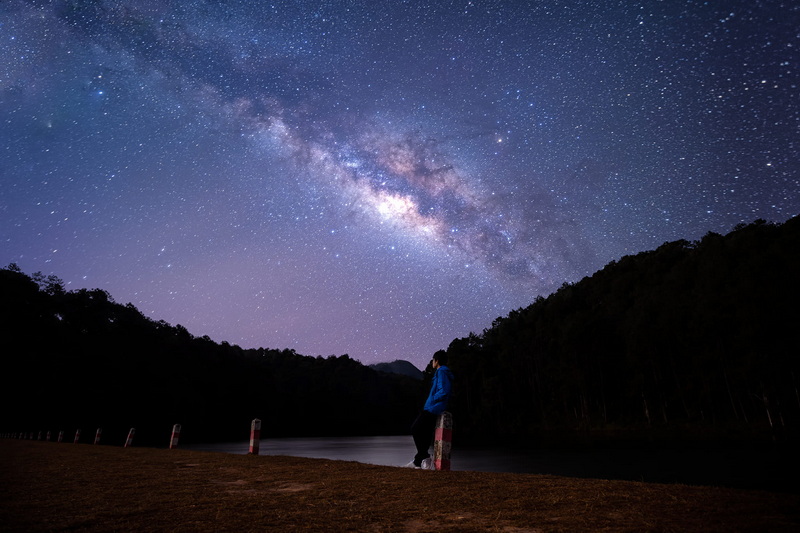
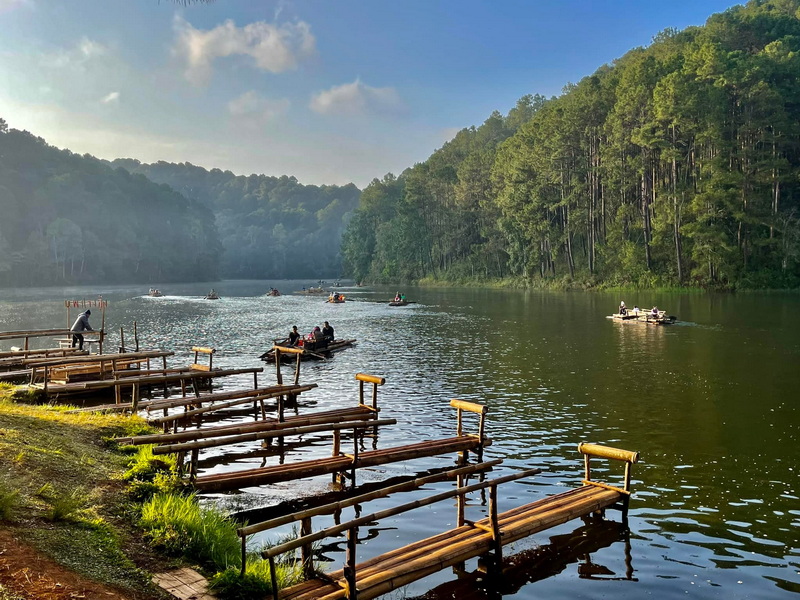
Pang Ung offers a very different atmosphere from the open agricultural setting around Su Tong Pae. The area is known for a scenic reservoir surrounded by pine-covered hills, with cool air and a quiet natural character that attracts visitors seeking a slower outdoor experience. Reflections on the water and the surrounding woodland are central to its appeal, although the appearance of the landscape can change with weather and season.
Including Pang Ung in a wider Mae Hong Son journey helps create a useful contrast: the bridge highlights bamboo craftsmanship and community connections, while Pang Ung emphasizes highland scenery and stillness. Visitors should follow local environmental guidance, keep noise under control, and avoid assuming that a peaceful natural setting is available for unrestricted use. Its value lies in attentive appreciation rather than rushing through for a single photograph.
Ban Huay Pu Keng
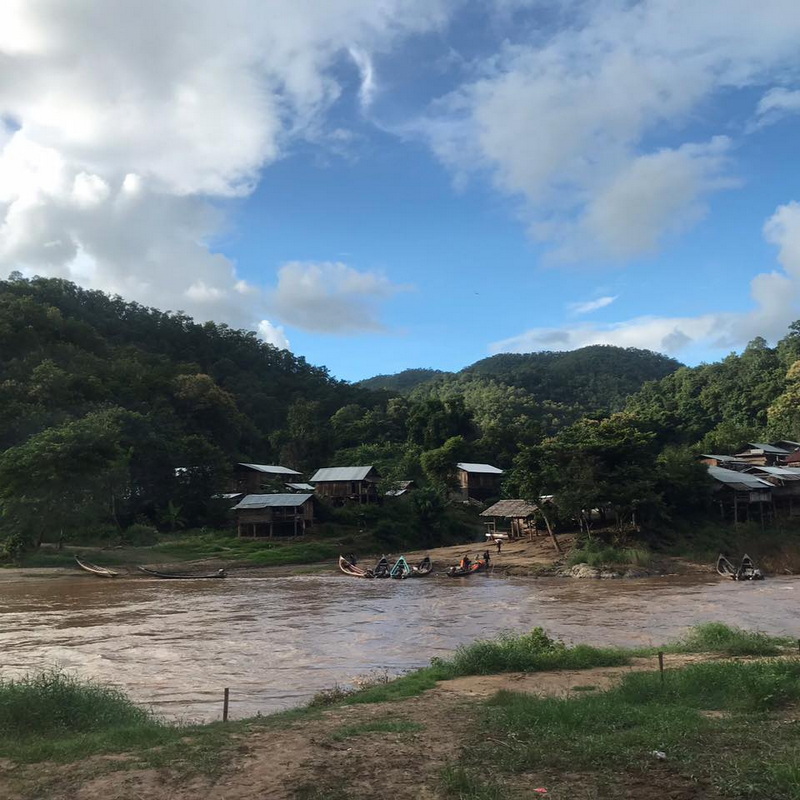
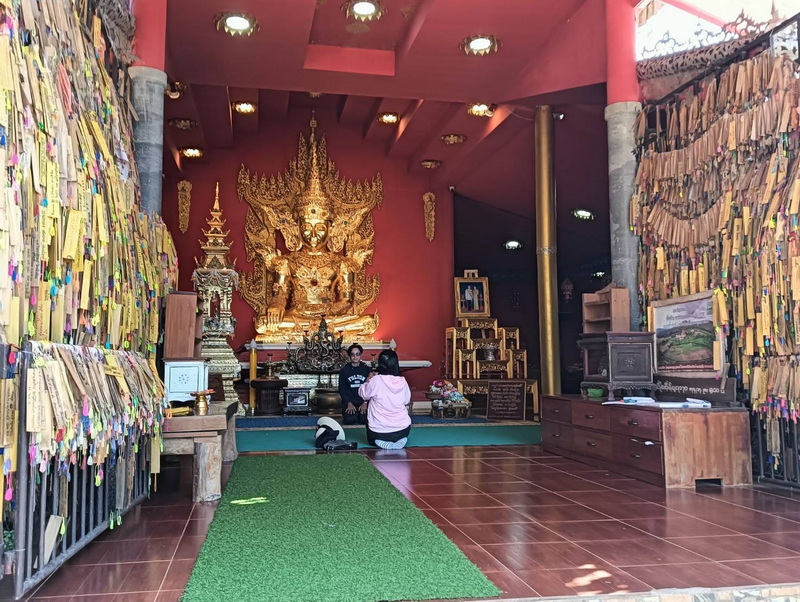
Ban Huay Pu Keng is a community area near Mae Hong Son associated with Karen cultural heritage and riverside surroundings. A visit should be approached as an opportunity to learn respectfully about local life, crafts, history, and traditions, not as a chance to treat residents or cultural symbols as attractions on display. Community-led interpretation, when available, can help visitors understand the place with greater context.
The community complements Su Tong Pae because both encourage a broader view of travel in Mae Hong Son. The bridge illustrates shared construction and rural connection, while Ban Huay Pu Keng invites more direct consideration of cultural identity and the responsibilities of visiting a lived-in community. Travelers should follow local requests, ask before taking photographs, and recognize that respectful engagement may be more valuable than trying to see everything quickly.
Building a Combined Pai and Mae Hong Son Experience
Pai and Mae Hong Son appeal to different travel moods, even though they are often considered together. Pai is widely associated with a relaxed town atmosphere, cafés, creative spaces, and surrounding viewpoints, while Mae Hong Son offers a quieter provincial setting and access to distinctive cultural and natural landscapes. A combined journey can therefore move from Pai’s social energy toward the more spacious rhythm of Mae Hong Son without treating either destination as a brief add-on.
When comparing options for a Pai And Mae Hong Son Tour From Chiang Mai, look first at the overall travel rhythm rather than the number of included stops. A useful plan should account for mountain-road time, walking distances, meal breaks, weather, and the interests of everyone traveling. A cultural landmark such as Su Tong Pae can be especially effective after a longer transfer because it offers an unhurried outdoor pause. The best sequence will depend on the route and current conditions, so travelers should confirm practical details locally before setting out.
Independent visitors can use the same principle even when they are not joining an organized journey. Group destinations by area, identify which experiences require the most time, and keep the schedule flexible enough for changing conditions. Those seeking a Chiang Mai starting point may compare public transport, self-drive travel, and guided arrangements according to comfort, road experience, and available time. No single format suits every traveler, but all formats benefit from realistic expectations about the mountainous terrain.
A combined route is also an opportunity to travel with cultural awareness. Mae Hong Son is home to diverse communities and long-standing traditions, and visitors should avoid assuming that every village or ceremony is arranged for tourism. Learn about places before visiting, ask permission where appropriate, and support local businesses in a considerate way. This approach makes the journey more meaningful while recognizing that the region is a home first and a destination second.
Making the Journey Feel Connected
Su Tong Pae Bridge is most rewarding when understood as part of a connected Mae Hong Son experience. Its bamboo walkway, open fields, and community setting provide a quiet cultural pause, while Pang Ung and Ban Huay Pu Keng broaden the journey into nature and respectful community engagement. For travelers combining Pai and Mae Hong Son from Chiang Mai, thoughtful pacing matters more than collecting destinations. Choose places that offer different perspectives, allow room for mountain travel, and approach every community with care. That balance turns a multi-stop route into a more coherent and memorable experience of northern Thailand.


No comments:
Post a Comment