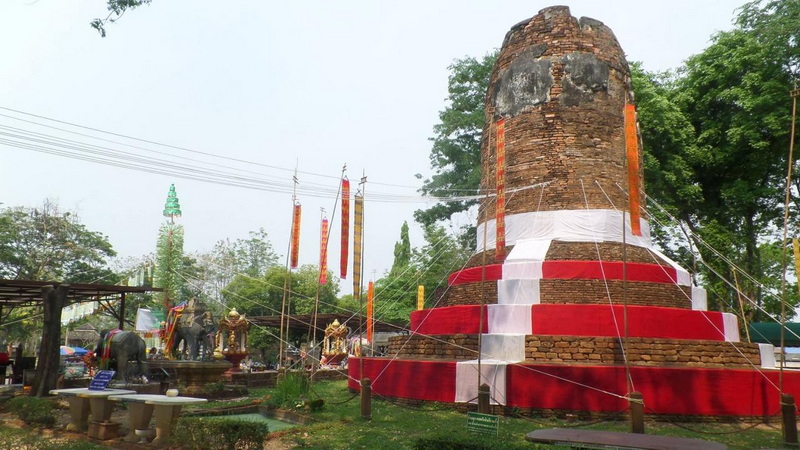
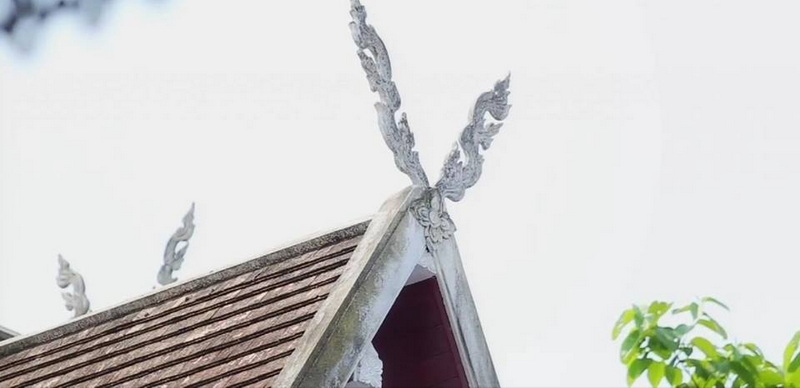
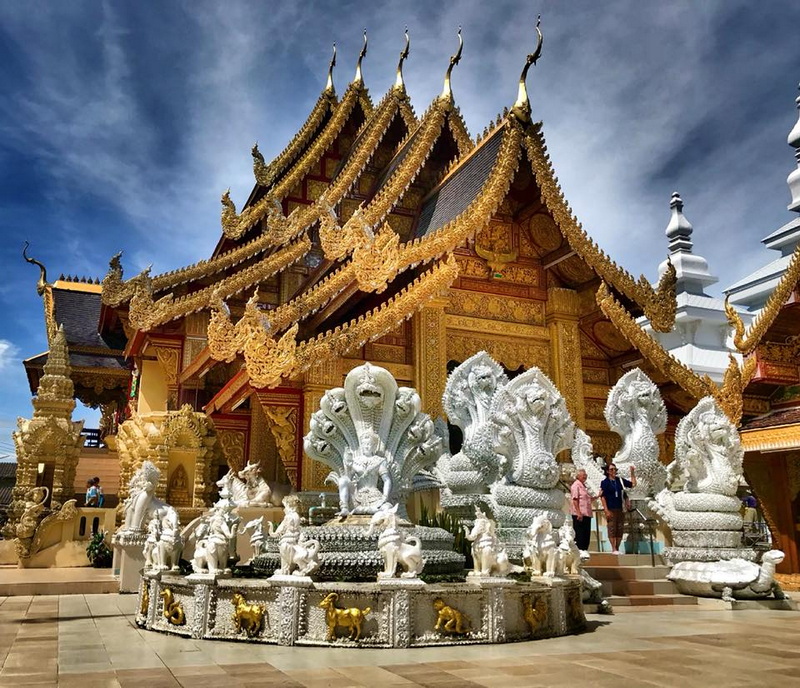
Thursday, November 12, 2026

Su Tong Pae Bridge in a Combined Pai and Mae Hong Son Journey

Su Tong Pae Bridge in a Combined Pai and Mae Hong Son Journey

A thoughtful route through bamboo landscapes, mountain culture, and complementary Mae Hong Son experiences
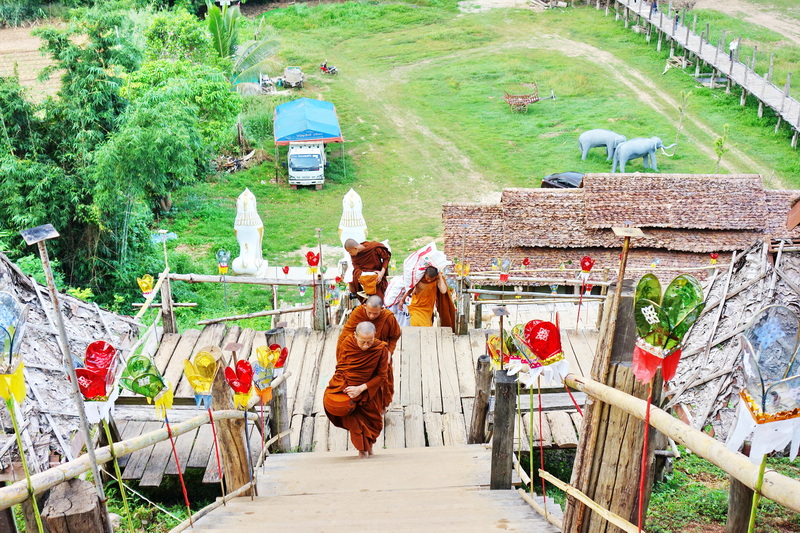
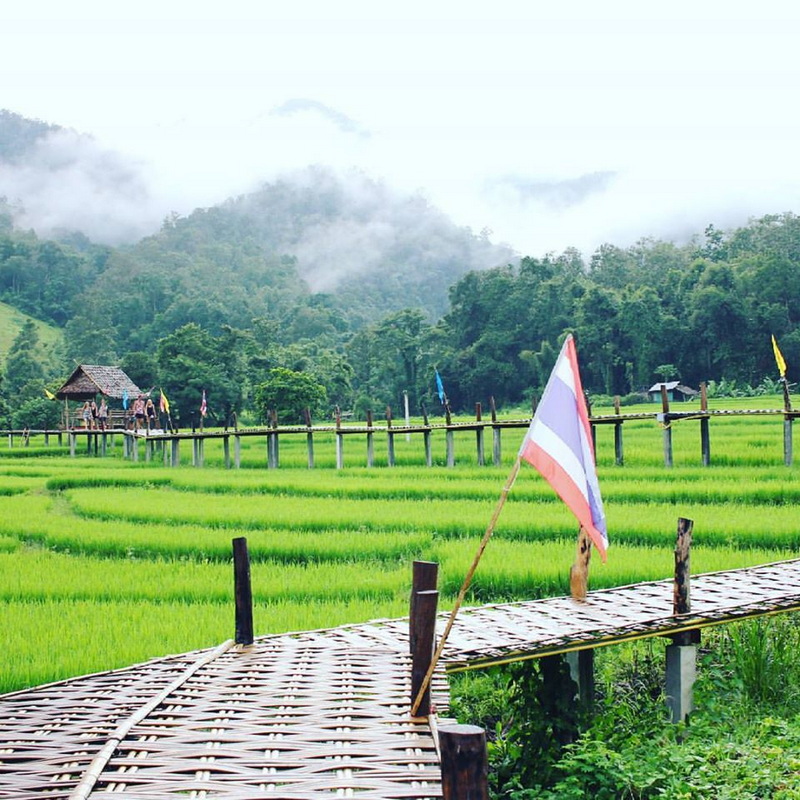
Travel photograph selected for Su Tong Pae Bridge destination guide.

A journey from Chiang Mai through Pai and Mae Hong Son can be planned as more than a collection of famous viewpoints. It can also follow the character of the region: winding mountain roads, quiet settlements, forested hills, and places where community life remains closely connected to the landscape. Su Tong Pae Bridge fits naturally into that kind of journey. Known for its bamboo construction and rural setting, the bridge crosses fields near Mae Hong Son and offers a calm contrast to the busier parts of a multi-stop route. Visitors come to walk across it, observe the surrounding countryside, and understand how a local landmark can connect religious and community spaces. The experience is modest in scale, but its setting gives it lasting appeal. For travelers considering a Pai And Mae Hong Son Tour From Chiang Mai, the bridge works best as one part of a regional sequence rather than as an isolated destination. Combining it with carefully chosen Mae Hong Son Attractions, including forest and community-based places, creates a fuller picture of northern Thailand without reducing local culture to a quick photo stop.

Why Su Tong Pae Bridge Belongs on a Regional Route

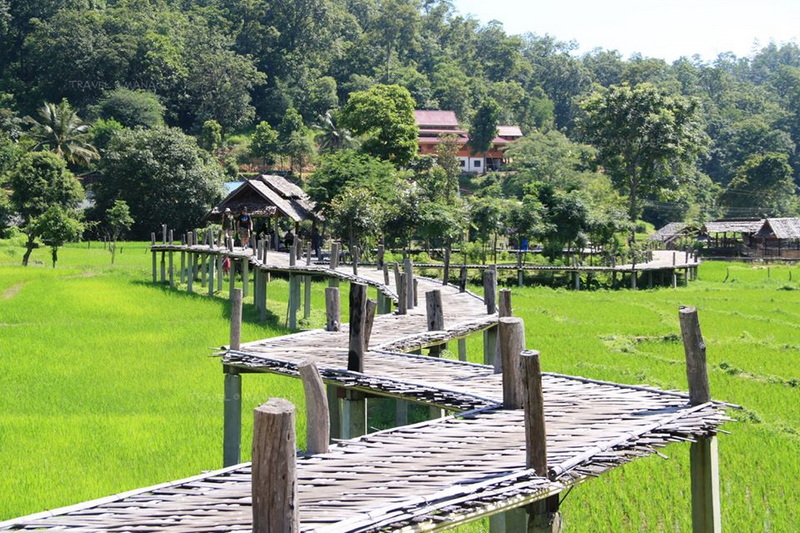
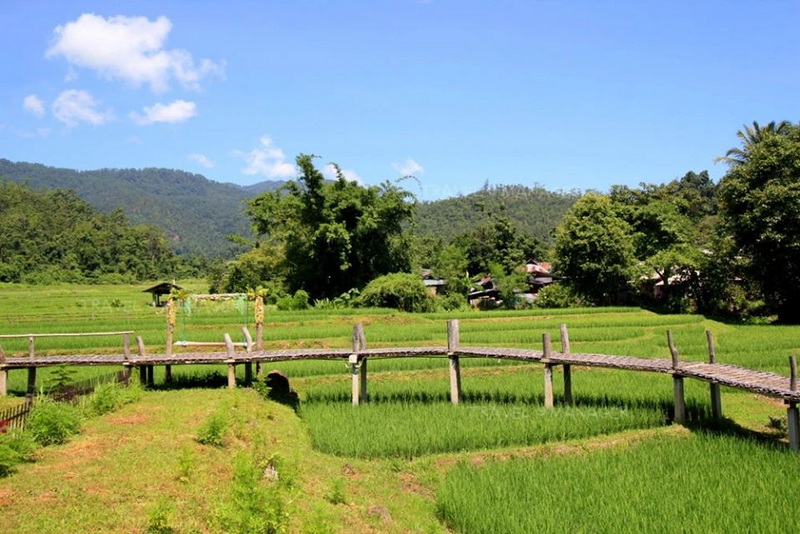
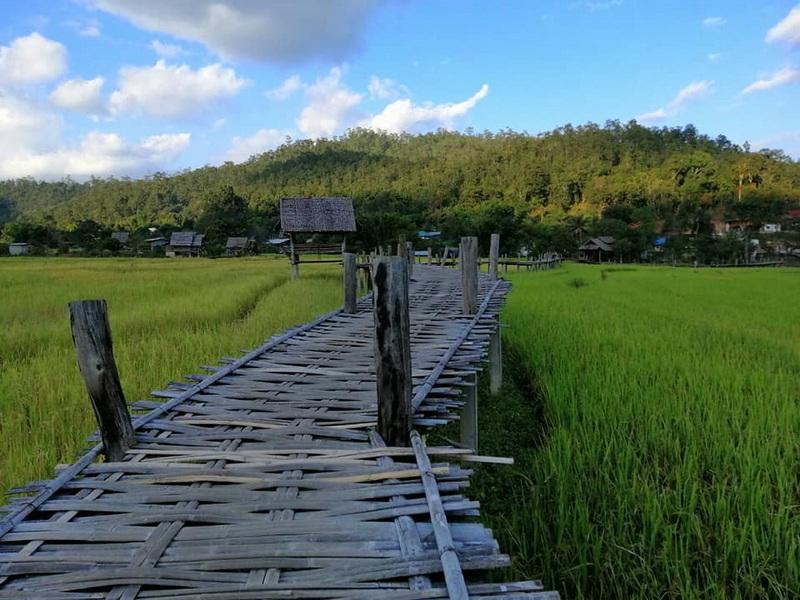
Su Tong Pae Bridge is a bamboo footbridge in Mueang Mae Hong Son District, Mae Hong Son. It passes through a rural landscape of fields and greenery, creating a simple walking experience shaped by the seasons and the surrounding hills. The bridge is often associated with the connection between a local community and a temple area, which gives it meaning beyond its appearance as a scenic structure. Its design reflects practical local craftsmanship, while its setting shows how paths and shared spaces can support community life.

The appeal of the Su Tong Pae Bamboo Bridge is its sense of proportion. It does not need grand architecture or extensive facilities to be memorable. Bamboo underfoot, open farmland beside the walkway, and distant mountain views create an atmosphere that encourages visitors to slow down. The most rewarding approach is observational: notice the construction, listen to the surroundings, and allow time to appreciate the relationship between the bridge, the fields, and the people who maintain the area.
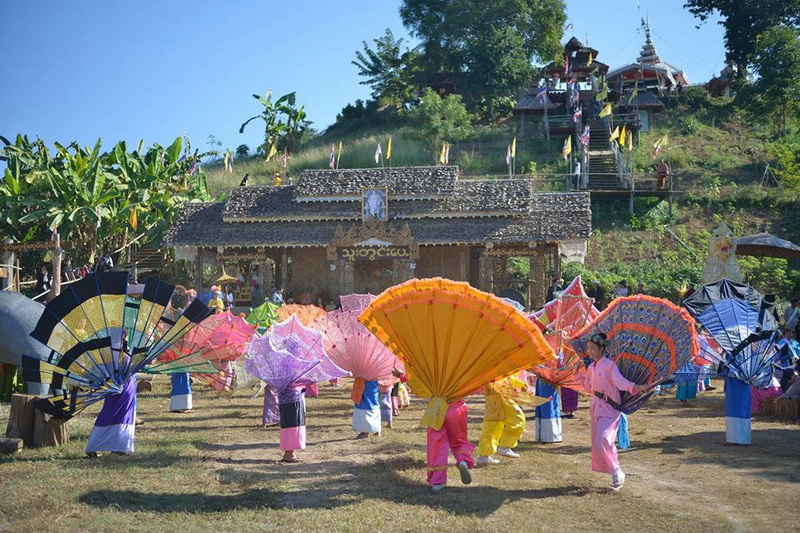
Travel photograph selected for Su Tong Pae Bridge destination guide, Su Tong Pae Bridge main article view 2 2

A visit also benefits from respectful behavior. The bridge is not merely a staged attraction; it sits within a living cultural landscape. Visitors should follow local guidance, avoid leaving rubbish, and be considerate when religious activity or agricultural work is taking place. Photography can be enjoyable, but it is better to observe people and ceremonies with discretion rather than treating them as scenery. These small choices help preserve the welcoming character that makes Sutongpae distinctive.

Reading Mae Hong Son Through Its Varied Attractions

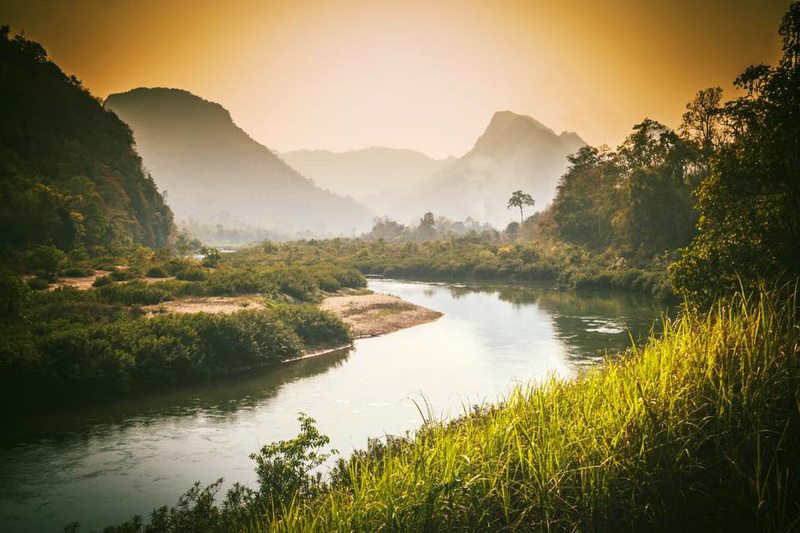
The wider Mae Hong Son area rewards travelers who enjoy contrasts. The provincial capital has a peaceful lakeside setting and temples with distinctive northern cultural influences, while the surrounding countryside opens into valleys, plantations, forested slopes, and mountain communities. This variety is why Mae Hong Son Attractions work particularly well in a combined itinerary: each stop can contribute a different perspective instead of repeating the same scenic experience.
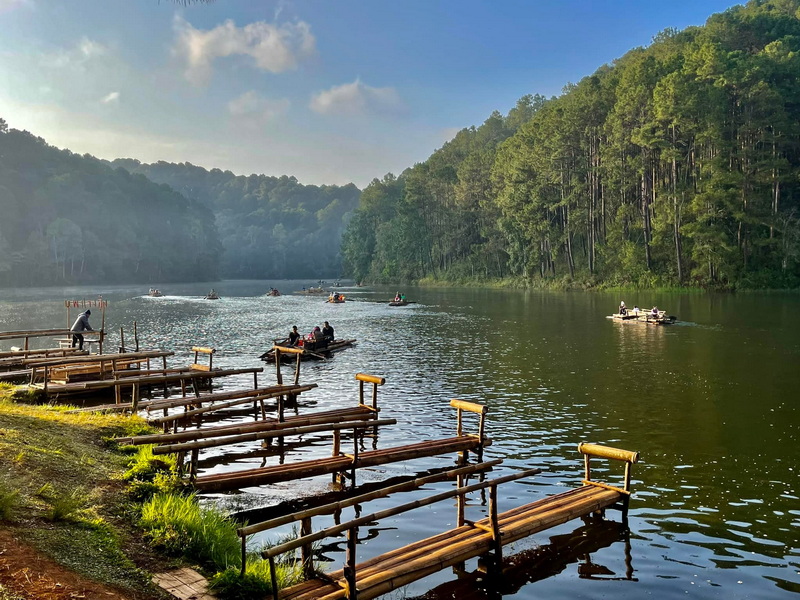
Travel photograph selected for Mae Hong Son destination guide.

Su Tong Pae represents a rural and community-centered side of the region. Other stops may emphasize religious architecture, mountain viewpoints, local food traditions, or natural scenery. The important planning principle is balance. A route that includes only lookouts can feel hurried and visually similar, while a route that includes cultural landmarks, village areas, and nature sites gives travelers more opportunities to understand the province. The bridge is valuable because it provides a quiet transition between these larger themes.
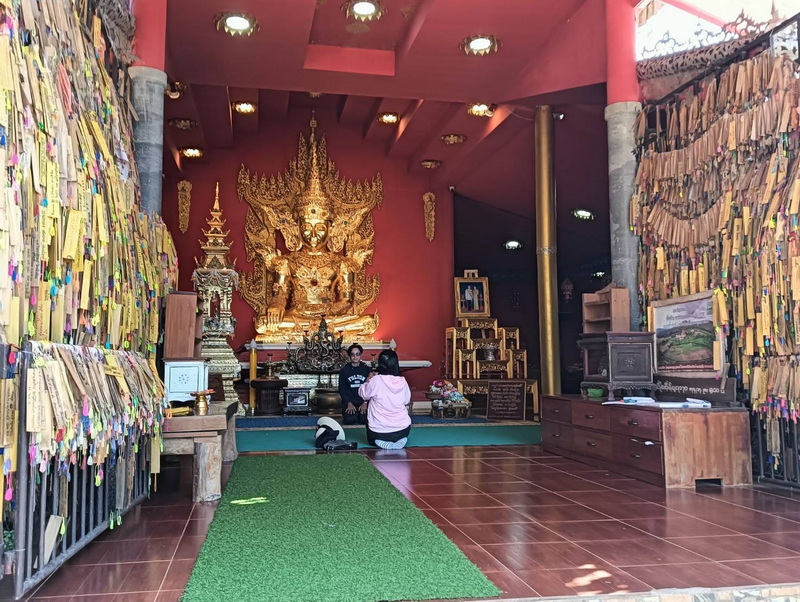
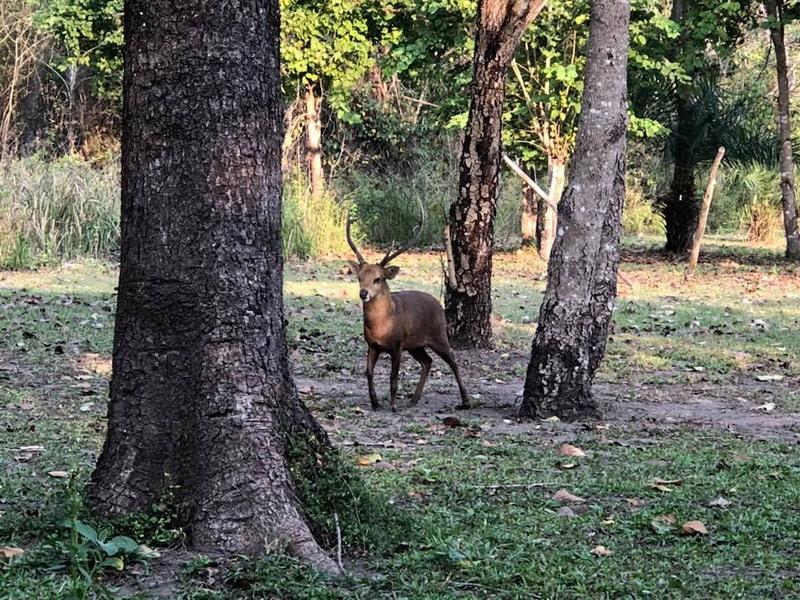
Travel photograph selected for Su Tong Pae Bridge destination guide, Su Tong Pae Bridge main article view 3 2

Travelers should also allow for the character of mountain travel. Roads in northern Mae Hong Son are famously curving, and distances that appear short on a map may take longer than expected. Weather, road conditions, and the pace of the group can influence how many stops are comfortable in one journey. Rather than measuring success by the number of attractions visited, it is more practical to select a coherent group of places and leave enough time for walking, viewing, and unplanned pauses.

Two Complementary Stops Beyond the Bridge

Once the bridge has established a gentle rural pace, the wider region offers two worthwhile directions: one toward highland nature and another toward community-based cultural understanding. They add depth to a combined journey without competing with the bridge’s quiet character.

Pang Ung
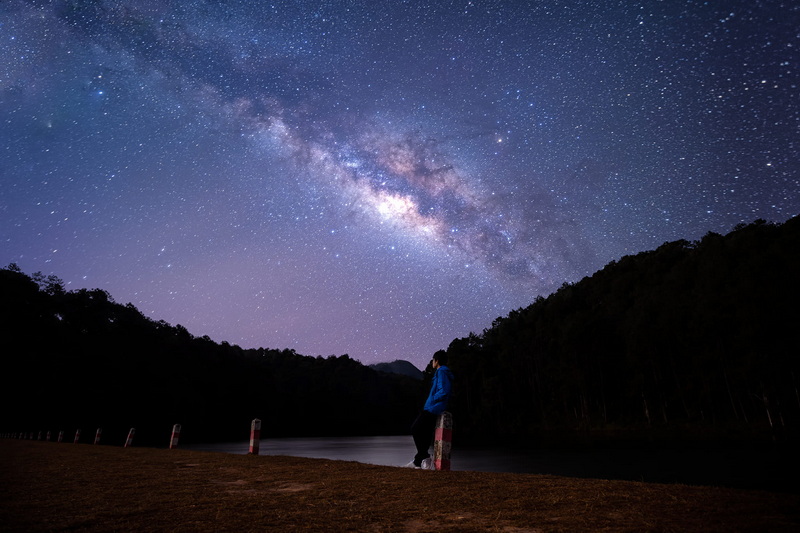
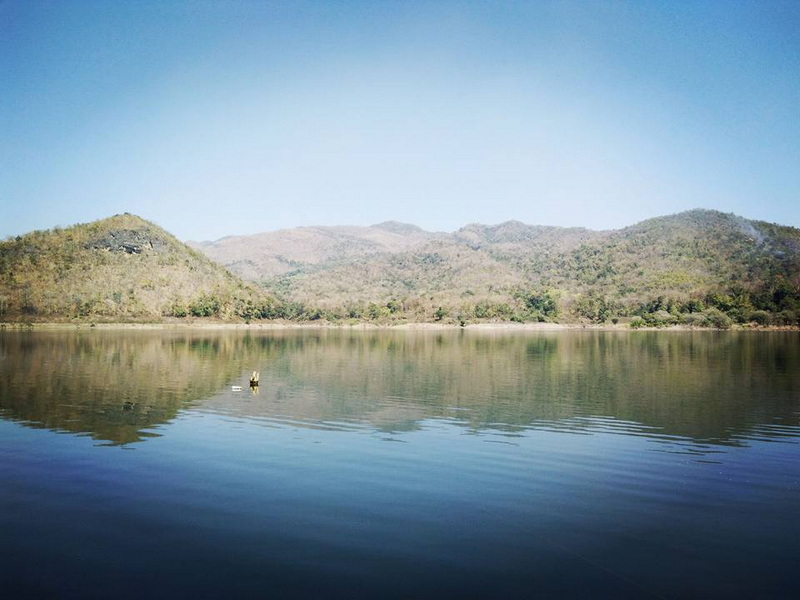
Travel photograph selected for Pang Ung destination guide.

Pang Ung offers a very different atmosphere from the open agricultural setting around Su Tong Pae. The area is known for a scenic reservoir surrounded by pine-covered hills, with cool air and a quiet natural character that attracts visitors seeking a slower outdoor experience. Reflections on the water and the surrounding woodland are central to its appeal, although the appearance of the landscape can change with weather and season.

Including Pang Ung in a wider Mae Hong Son journey helps create a useful contrast: the bridge highlights bamboo craftsmanship and community connections, while Pang Ung emphasizes highland scenery and stillness. Visitors should follow local environmental guidance, keep noise under control, and avoid assuming that a peaceful natural setting is available for unrestricted use. Its value lies in attentive appreciation rather than rushing through for a single photograph.

Ban Huay Pu Keng
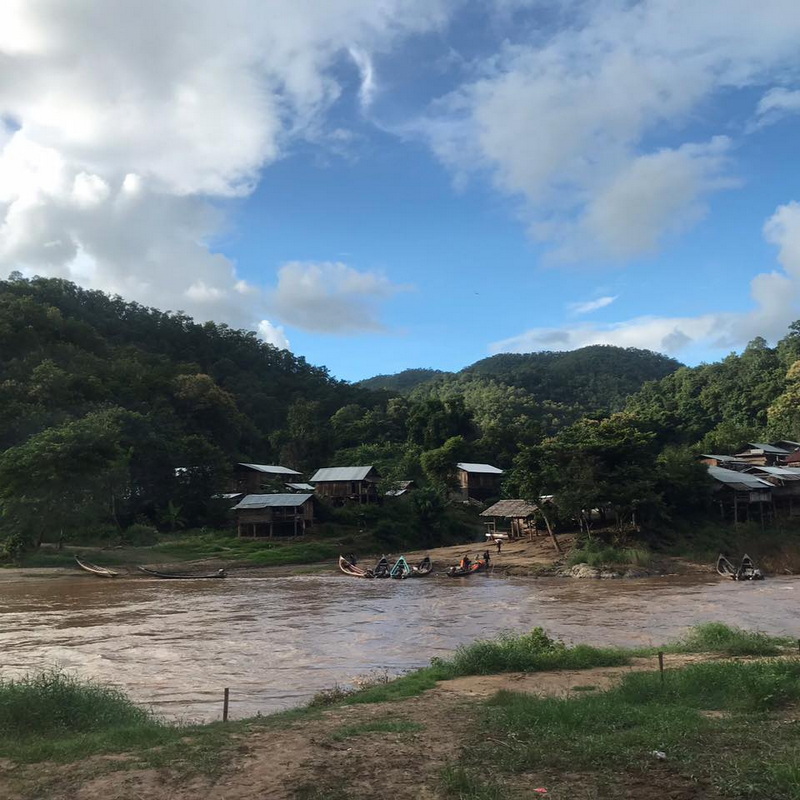
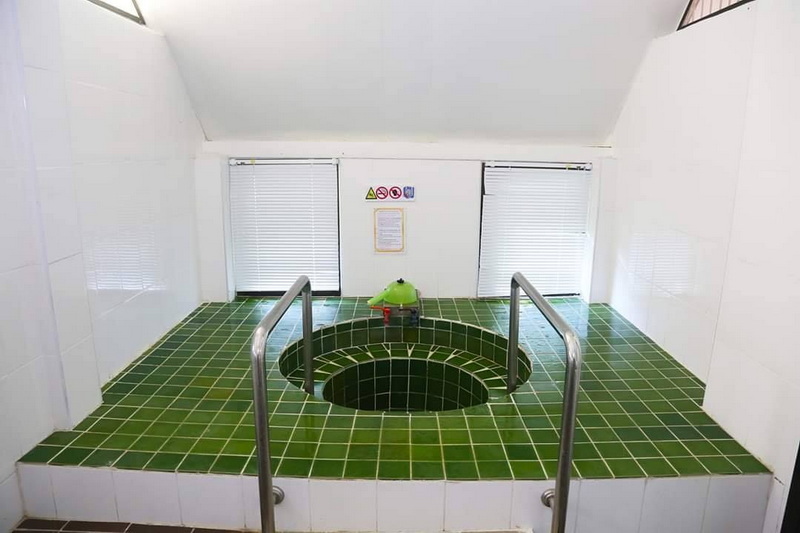
Travel photograph selected for Ban Huay Pu Keng destination guide.

Ban Huay Pu Keng is a community area near Mae Hong Son associated with Karen cultural heritage and riverside surroundings. A visit should be approached as an opportunity to learn respectfully about local life, crafts, history, and traditions, not as a chance to treat residents or cultural symbols as attractions on display. Community-led interpretation, when available, can help visitors understand the place with greater context.

The community complements Su Tong Pae because both encourage a broader view of travel in Mae Hong Son. The bridge illustrates shared construction and rural connection, while Ban Huay Pu Keng invites more direct consideration of cultural identity and the responsibilities of visiting a lived-in community. Travelers should follow local requests, ask before taking photographs, and recognize that respectful engagement may be more valuable than trying to see everything quickly.

Building a Combined Pai and Mae Hong Son Experience

Pai and Mae Hong Son appeal to different travel moods, even though they are often considered together. Pai is widely associated with a relaxed town atmosphere, cafés, creative spaces, and surrounding viewpoints, while Mae Hong Son offers a quieter provincial setting and access to distinctive cultural and natural landscapes. A combined journey can therefore move from Pai’s social energy toward the more spacious rhythm of Mae Hong Son without treating either destination as a brief add-on.

When comparing options for a Pai And Mae Hong Son Tour From Chiang Mai, look first at the overall travel rhythm rather than the number of included stops. A useful plan should account for mountain-road time, walking distances, meal breaks, weather, and the interests of everyone traveling. A cultural landmark such as Su Tong Pae can be especially effective after a longer transfer because it offers an unhurried outdoor pause. The best sequence will depend on the route and current conditions, so travelers should confirm practical details locally before setting out.

Independent visitors can use the same principle even when they are not joining an organized journey. Group destinations by area, identify which experiences require the most time, and keep the schedule flexible enough for changing conditions. Those seeking a Chiang Mai starting point may compare public transport, self-drive travel, and guided arrangements according to comfort, road experience, and available time. No single format suits every traveler, but all formats benefit from realistic expectations about the mountainous terrain.

A combined route is also an opportunity to travel with cultural awareness. Mae Hong Son is home to diverse communities and long-standing traditions, and visitors should avoid assuming that every village or ceremony is arranged for tourism. Learn about places before visiting, ask permission where appropriate, and support local businesses in a considerate way. This approach makes the journey more meaningful while recognizing that the region is a home first and a destination second.

Making the Journey Feel Connected

Su Tong Pae Bridge is most rewarding when understood as part of a connected Mae Hong Son experience. Its bamboo walkway, open fields, and community setting provide a quiet cultural pause, while Pang Ung and Ban Huay Pu Keng broaden the journey into nature and respectful community engagement. For travelers combining Pai and Mae Hong Son from Chiang Mai, thoughtful pacing matters more than collecting destinations. Choose places that offer different perspectives, allow room for mountain travel, and approach every community with care. That balance turns a multi-stop route into a more coherent and memorable experience of northern Thailand.

Wednesday, November 11, 2026

Kho Ku So Bamboo Bridge for Combined Pai and Mae Hong Son Travel

Kho Ku So Bamboo Bridge for Combined Pai and Mae Hong Son Travel

A practical guide to linking Pai scenery, Mae Hong Son routes, and thoughtful local tour planning

Travel photograph selected for Kho Ku So Bamboo Bridge destination guide.

Kho Ku So Bamboo Bridge is a peaceful countryside landmark in Pai District, Mae Hong Son, and it can add a slower, more local-feeling stop to a wider northern Thailand journey. The bamboo walkway crosses green agricultural surroundings and is best understood as part of the landscape rather than as an isolated attraction. Visitors generally come for the views, the gentle walk, and the opportunity to experience a rural setting at an unhurried pace. For travelers starting in Chiang Mai, the bridge also raises a useful planning question: should Pai and Mae Hong Son be visited separately, or combined in one longer route? A combined itinerary can connect the valley scenery of Pai with the cultural and mountainous character of Mae Hong Son, but it requires realistic expectations about road time, overnight stops, and the pace of sightseeing. This guide focuses on that planning decision, along with the role of local operators and two nearby places that may complement a visit to the bridge.

How the bridge fits into a Pai and Mae Hong Son route

The appeal of Kho Kuu So Bridge in Pai comes from its setting. Rather than presenting a large built attraction, the bamboo bridge leads visitors through an open rural environment where fields, hills, and changing light create much of the experience. The walk is generally more enjoyable when treated as a scenic pause, allowing time to observe the surroundings instead of rushing through for a photograph. Conditions can vary with weather and season, so sensible footwear and care on the bamboo surface are appropriate.

Travel photograph selected for Mae Hong Son destination guide.

Pai is often used as a natural transition point between Chiang Mai and Mae Hong Son. Its surrounding countryside offers a different rhythm from the provincial capital, while the route onward continues through mountainous terrain and smaller communities. Including the bridge in a longer journey gives travelers a reason to spend time outside Pai’s central area. It also helps balance a multi-stop itinerary with a quiet landscape visit rather than filling every day with busy sightseeing.

A useful way to plan the stop is to decide what role it should play. It may be a short morning or afternoon visit within a Pai stay, a countryside detour arranged around other confirmed stops, or part of a private route where the driver can adapt the timing. The bridge should not be treated as a guaranteed substitute for a full Pai experience. Its value lies in complementing the destination, especially for visitors interested in rural scenery, photography, and a calmer side of the district.

Travel photograph selected for Kho Ku So Bamboo Bridge destination guide, Kho Ku So Bamboo Bridge main article view 2 2

Planning a combined journey from Chiang Mai

A Pai And Mae Hong Son Tour From Chiang Mai usually needs more time than a simple transfer because the two destinations offer different experiences and are separated by winding mountain roads. Pai is associated with valley landscapes, viewpoints, cafés, and relaxed countryside exploration, while Mae Hong Son provides access to a quieter provincial setting and a broader regional route. A combined plan works best when travelers accept that transport between stops is part of the journey, not merely empty time between attractions.

Before choosing an itinerary, consider the number of nights available, tolerance for long road sections, and the type of accommodation preferred. A compact schedule may cover the main route but leave little flexibility for weather, traffic, rest breaks, or spontaneous village and landscape stops. A longer arrangement allows the bridge and other Pai-area locations to be visited without compressing every activity into one day. It can also make the transition toward Mae Hong Son less tiring for travelers who are sensitive to winding roads.

Travel photograph selected for Kho Ku So Bamboo Bridge destination guide, Kho Ku So Bamboo Bridge main article view 3 2

Combined tours can be structured in several ways. Some travelers may prefer a small-group route with a planned sequence of destinations, while others may look for a private vehicle and a more adaptable pace. A driver-led arrangement can be useful when the main priority is connecting several places without managing mountain roads independently. Travelers should ask whether the proposed route includes actual sightseeing time in both Pai and Mae Hong Son, or whether one destination is only being used as a brief pass-through.

It is also important to distinguish a multi-day route from a day-trip expectation. The distance and road conditions make a rushed loop less suitable for people who want to appreciate the countryside. Ask for a clear outline of overnight locations, estimated driving periods, opportunities for rest, and what happens if rain or road conditions affect the plan. Exact timing may change, but a transparent planning conversation helps prevent a scenic itinerary from becoming an exhausting transport schedule.

Two Pai landscapes to place around the bridge

Once the wider route is realistic, the Pai portion can be shaped around complementary landscapes rather than a crowded checklist. These two nearby options offer useful contrasts, although each should be included only when travel time and conditions allow.

Pai Canyon

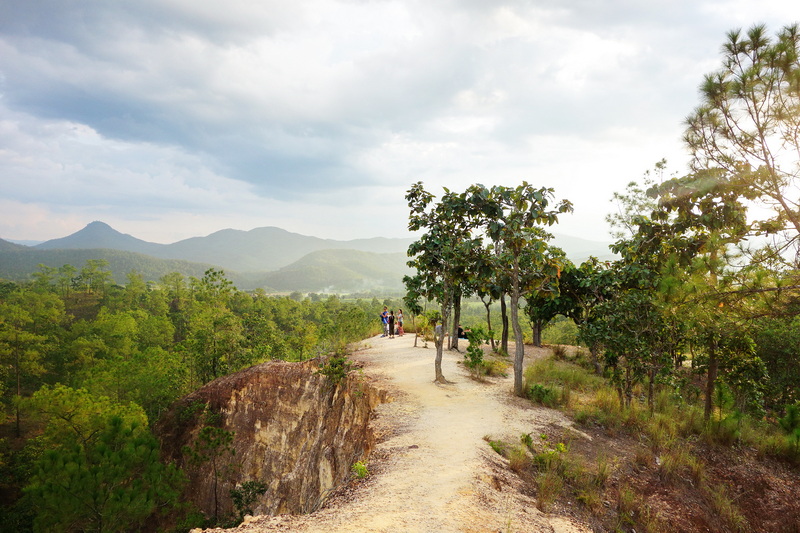
Travel photograph selected for Pai Canyon destination guide.

Pai Canyon can provide a contrasting landscape experience after the cultivated surroundings of the bamboo bridge. Its narrow ridges and elevated views reveal the dry, layered character of the Pai countryside, particularly when the light is soft. Paths along the ridges may be uneven, exposed, or narrow in places, so visitors should stay within comfortable areas, wear suitable shoes, and avoid standing close to unstable edges. The attraction is better approached as a viewpoint landscape than as a place to hurry through.

When adding Pai Canyon to a combined itinerary, consider the time of day, heat, and the energy required for walking on uneven ground. A responsible visit also means leaving natural surfaces undisturbed and allowing other visitors space at viewpoints. The canyon and Kho Ku So Bamboo Bridge offer different impressions of Pai: one emphasizes elevated geological scenery, while the other highlights a greener rural setting. Pairing them can create variety without requiring a long list of unrelated stops.

Pam Bok Waterfall

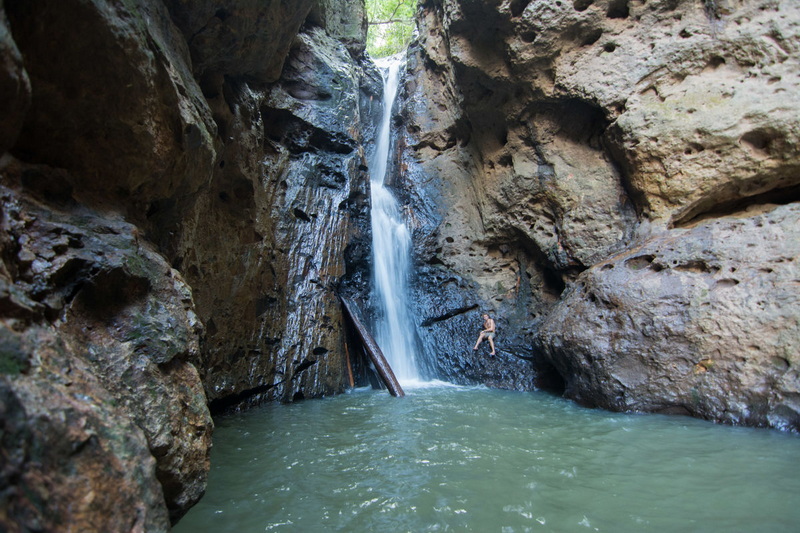
Travel photograph selected for Pam Bok Waterfall destination guide.

Pam Bok Waterfall is another possible Pai-area addition for travelers who enjoy natural settings. The waterfall sits in a narrow, rocky environment, and its appearance can change with rainfall and seasonal water levels. Visitors should follow local access guidance, take care on wet surfaces, and avoid entering water when conditions are unclear. Treating the site as a living part of the local environment helps preserve its appeal for residents and future travelers.

The waterfall may fit well into an itinerary that already includes the bridge because the two stops encourage different kinds of observation. Kho Kuu So Bamboo Bridge offers an open walk through countryside, while Pam Bok Waterfall brings visitors into a more enclosed landscape shaped by rock, shade, and flowing water. Whether both can be visited comfortably depends on the route, weather, opening conditions, and the amount of time reserved for travel. A good operator should explain those practical limits rather than promise an overly full day.

How to compare Tour Operators Chiang Mai services

When comparing Tour Operators Chiang Mai options, begin with the structure of the proposed journey rather than attractive wording. Ask whether the operator regularly arranges routes through Pai and Mae Hong Son, how much time is reserved for each destination, and whether the bridge is a genuine sightseeing stop or only a brief roadside addition. A clear answer should identify the transport style, overnight areas, expected road time, and practical limits without promising conditions that depend on weather or local access.

Independent travelers may also compare group and private arrangements according to comfort, flexibility, and communication. Request written information about meeting points, vehicle expectations, luggage arrangements, and how changes are handled if roads or attractions become difficult to access. It is reasonable to check whether the operator encourages respectful conduct around farms, temples, villages, and natural areas. Choosing a service that communicates carefully can make a combined route easier to manage without turning local communities into backdrops for a rushed itinerary.

Making the route work for your travel style

The strongest combined itinerary is not necessarily the one with the greatest number of stops. It is the one that leaves enough time to experience Pai, connect onward to Mae Hong Son, and respond sensibly to mountain travel, weather, and local conditions. Use the bridge as a calm countryside element, compare the role of nearby landscapes, and ask operators clear questions before booking. With realistic timing and respectful behavior, a Pai and Mae Hong Son journey can feel connected rather than hurried.

Tuesday, November 10, 2026

Land Split Pai and the Logic of a Combined Mae Hong Son Journey

Land Split Pai and the Logic of a Combined Mae Hong Son Journey

How to connect a geological stop with wider regional touring plans

Travel photograph selected for Land Split Pai destination guide.

Land Split Pai is more than a brief stop beside the road. It is a small-scale visitor experience shaped by an unusual geological event, a working rural setting, and the hospitality of the people who welcome guests. For travelers planning a wider journey, its value also lies in how easily it can become one meaningful point within a route through Pai District and Mae Hong Son Province. A combined trip needs a different kind of planning from a visit focused on one attraction. The central question is not simply how to reach the Land Split, but how to balance travel time, landscape stops, and the changing rhythm of a multi-destination day. This guide considers that planning problem from an operator-aware perspective, without assuming a fixed itinerary, price, vehicle, or schedule. The result is a practical framework for understanding combined Pai and Mae Hong Son travel. It explains what tour operators can coordinate, where natural attractions fit into the route, and why a modest geological site can add context to a broader regional experience.

Why Land Split Pai Works as a Route Stop

The Land Split is associated with a crack or separation that developed in agricultural land near Pai. Rather than presenting the place as a large, heavily built attraction, visitors generally encounter a rural setting where the geological feature is part of a wider farm environment. That distinction matters: the experience is based on observing the landscape and meeting the people who maintain the site, not on expecting an extensive visitor complex.

A thoughtful Land Split Travel Guide should therefore describe the stop in terms of time, setting, and connection. The attraction can provide a change of scale during a regional journey. After driving through mountain scenery or visiting busier points around Pai, a quieter farm-based stop may help travelers notice how geology, cultivation, and local hospitality intersect.

Travel photograph selected for Land Split Pai destination guide, Land Split Pai main article view 2 2

The site also illustrates why responsible travel language is important. The land is connected to local livelihoods, so visitors should follow guidance, remain within appropriate areas, and treat any offered refreshments or produce as part of a local exchange rather than an entitlement. A respectful visit supports the people who make the stop accessible while keeping attention on the landscape itself.

For planning purposes, the Land Split is best treated as one component rather than the sole reason for a long cross-province journey. Its strongest role is often as an early or middle stop that adds variety to a route involving Pai and other Mae Hong Son Attractions. The exact order depends on the wider itinerary, road conditions, and the operator's assessment on the day.

Travel photograph selected for Land Split Pai destination guide, Land Split Pai main article view 3 2

How Combined Pai and Mae Hong Son Tours Are Shaped

A Pai And Mae Hong Son Tour From Chiang Mai can mean different things in practice. Some journeys may connect Pai with selected points farther into Mae Hong Son Province, while others may use Pai as one part of a longer loop. The label describes a travel concept, not one guaranteed route. Travelers should read the proposed sequence carefully and ask which places are central, which are optional, and how much time is reserved for each stop.

Travel photograph selected for Mae Hong Son destination guide.

Multi-destination travel works best when the route has a clear geographic logic. A plan might group several experiences around Pai before continuing toward other parts of the province, or it might treat Pai as an overnight or transitional base within a broader journey. In either case, the aim is to avoid collecting attractions without allowing enough time to appreciate the landscapes between them.

Tour operators can be particularly useful at this planning stage. Their role may include comparing route possibilities, estimating realistic driving time, coordinating the order of stops, and explaining where flexibility is possible. They can also help travelers decide whether a geological site such as the Land Split suits the pace of a day that already includes viewpoints, waterfalls, cultural places, or long road sections.

Two Nearby Stops That Clarify the Pai Landscape

Once the role of the Land Split is clear, nearby sites help explain why a combined itinerary should include different kinds of landscape rather than several similar viewpoints. These two stops offer useful contrasts in scale, setting, and pace.

Pai Canyon

Travel photograph selected for Pai Canyon destination guide.

Pai Canyon adds a contrasting landscape to a Land Split visit. Its narrow ridges, eroded forms, and open views create a more elevated and exposed setting than the farm environment around the geological site. Walking conditions can vary across uneven ground, so visitors should use care, especially near edges and during changing weather. It is better approached as a landscape-viewing stop than as a race along every ridge.

From a multi-destination planning perspective, Pai Canyon helps separate two types of experience within the same Pai-area route. The Land Split encourages attention to a local rural setting, while the canyon emphasizes broad views and natural landforms. Pairing them can make a day's story more varied, provided the schedule leaves enough room for safe movement and unhurried observation.

Kho Ku So Bamboo Bridge

Travel photograph selected for Kho Ku So Bamboo Bridge destination guide.

Kho Ku So Bamboo Bridge offers another perspective on the relationship between travel, landscape, and local community life. The elevated walkway crosses a cultivated rural area and is associated with temple access and farming surroundings. Its appeal comes from moving slowly through a lived-in landscape, rather than from treating the bridge as an isolated photo prop.

Its inclusion in a combined route should be discussed with sensitivity. Visitors should remain considerate around fields, religious spaces, and local residents, following any on-site instructions. Together with Land Split Pai, the bridge can broaden a nature-focused itinerary by showing different ways that paths, agriculture, and visitor access meet in the Pai area.

What to Ask Tour Operators Before Combining Destinations

Good operator advice should be transparent rather than overly promotional. Travelers should expect clear discussion of what is included, how long the route may take, and what happens if weather or road conditions affect the plan. Operational details can change, so it is sensible to confirm current arrangements directly instead of relying on a general description of a tour package.

This is where Tour Operators Chiang Mai may add value for visitors starting in the northern capital. A local operator familiar with the region can help connect the broad idea of a Chiang Mai departure with the practical realities of Pai and Mae Hong Son travel. The operator is not merely arranging movement between points; ideally, the operator is helping match route complexity with the traveler's available time and interests.

Planning a More Coherent Mae Hong Son Route

Land Split Pai is most rewarding when understood as part of a coherent regional journey. Its geological story and rural setting can complement the wider scenery of Pai, while Pai Canyon and Kho Ku So Bamboo Bridge demonstrate how different nearby experiences can be connected without flattening them into one checklist. When comparing combined tours, focus on route logic, realistic pacing, transparent operator communication, and respectful behavior at local sites. That approach gives travelers greater confidence while leaving room for the landscape and communities of Mae Hong Son to shape the journey.

Monday, November 9, 2026

Chiang Mai Paramotor Adventures for Families and Active Travelers

Chiang Mai Paramotor Adventures for Families and Active Travelers

Pair a memorable flight experience with gentle sightseeing and enjoyable family activities around San Kamphaeng

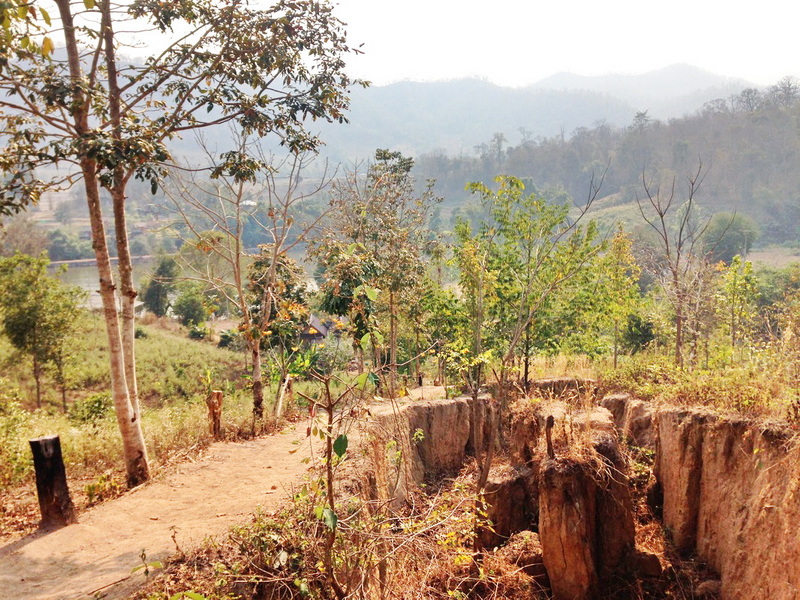
Travel photograph selected for Chiang Mai Paramotor destination guide.

A day built around Chiang Mai Paramotor can offer two very different kinds of enjoyment: the exhilaration of seeing the landscape from above and the relaxed pleasure of discovering attractions at ground level. In San Kamphaeng District, the countryside east of the city provides a useful setting for combining an aerial activity with family outings, provided everyone’s age, comfort, and interests are considered carefully. Flying in a paramotor usually means sitting in a harness or seat while a trained pilot operates a lightweight motorized paraglider. The experience is more about observing the scenery from an unusual perspective than controlling an aircraft independently. Families and first-time visitors should treat it as an organized adventure activity, confirm the operator’s current requirements, and choose a flight arrangement appropriate for each participant. The rest of the day can then remain flexible, with water play, warm mineral pools, or quiet local sightseeing offering a good balance after the excitement.

What a Paramotor Flight Feels Like

A paramotor combines a paraglider wing with a small motor and propeller carried behind the pilot. For a passenger, the experience is generally centered on sitting securely while the pilot manages takeoff, direction, and landing. Unlike a conventional sightseeing aircraft, the open-air design creates a direct sense of the surrounding landscape. Fields, roads, village areas, and changing shades of green may appear below, while the movement of the wing and the sound of the engine become part of the experience.

The atmosphere is often calmer once the flight is underway than the word “adventure” might suggest. Some passengers enjoy the wide views immediately; others need a little time to become comfortable with the height and open surroundings. Families should discuss expectations in advance, especially with children who may be sensitive to noise, motion, or unfamiliar equipment. A child’s willingness to participate matters more than trying to make the activity the centerpiece of the entire holiday.

For anyone considering Flying Paramotor Chiang Mai, responsible preparation is more useful than chasing a particular image of thrill. Ask the provider about participant requirements, weather decisions, safety briefing procedures, protective equipment, and what happens if conditions are unsuitable. These details can change by operator and day, so they should be confirmed directly rather than assumed from general travel descriptions. Visitors should also follow instructions about clothing, personal belongings, photography, and movement around the launch area.

The visual experience can be especially appealing for travelers who enjoy noticing how urban neighborhoods gradually give way to agricultural land and foothills. It is important, however, to view local communities respectfully from above and avoid treating homes or private spaces as attractions. The best memories come from appreciating the wider landscape while recognizing that it is also a lived environment for residents.

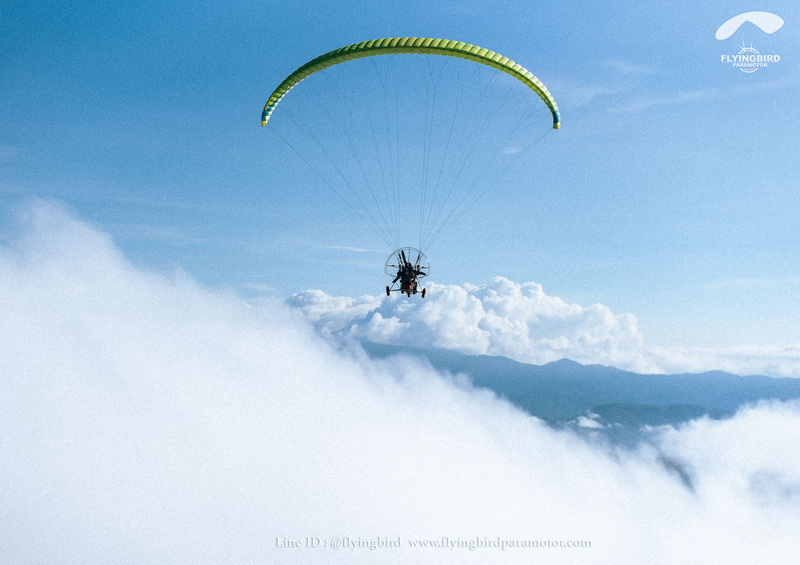
Travel photograph selected for Chiang Mai Paramotor destination guide, Chiang Mai Paramotor main article view 2 2

Building a Balanced Chiang Mai Adventure

A paramotor flight works well as one element in a broader Chiang Mai Adventure rather than as an all-day plan for every family member. Active travelers may want to pair it with additional outdoor experiences, while younger children or relatives who prefer not to fly can enjoy a nearby attraction during the same regional outing. This approach keeps the day inclusive without pressuring everyone to choose the same activity.

When comparing Top Adventure Tours Chiang Mai options, look beyond dramatic descriptions and consider the structure of the experience. Does the activity require sustained physical effort, close attention to instructions, or comfort with heights? Is it suitable for the youngest traveler in the group, or would it be better reserved for adults and older children? A tour that leaves room for breaks and individual choices may be more successful for a mixed-age family than a packed itinerary of demanding activities.

A practical plan usually allows time for orientation, changing conditions, meals, and unhurried transitions between experiences. It is wise not to schedule an important temple visit, long journey, or fixed appointment immediately after a flight, since weather or briefing times may affect the rhythm of the day. Families can also agree on a simple meeting point and a quiet alternative for anyone who decides not to fly.

The regional setting supports a gradual change of pace. An energetic morning can be followed by a slower afternoon at a natural attraction, while a child who found the flight too intense can still have a rewarding day through water activities or a visit to warm springs. This combination is one reason a Chiang Mai Paramotor Adventure can work for groups with different travel styles: the flight supplies a memorable highlight, but the day does not depend on it alone.

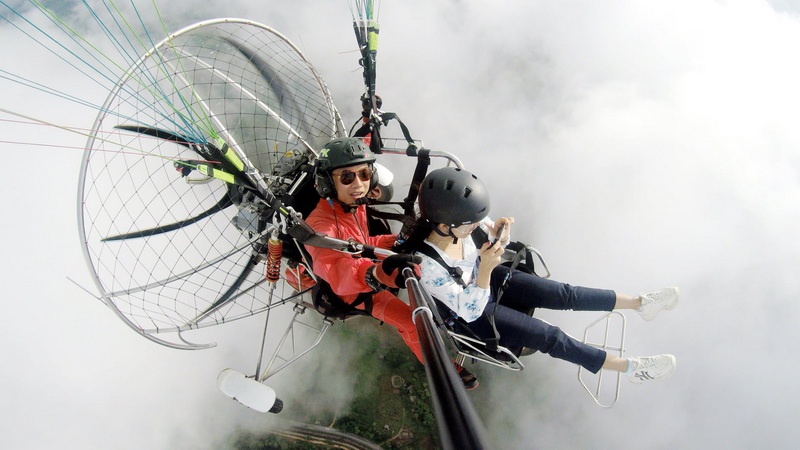
Travel photograph selected for Chiang Mai Paramotor destination guide, Chiang Mai Paramotor main article view 3 2

Making the Day Comfortable for Children

Families searching for Chiang Mai Family Friendly Attractions should begin with realistic expectations. “Family-friendly” does not mean that every activity suits every child, and a location’s appeal can depend on age, weather, swimming ability, sensory preferences, and the amount of rest needed. Parents or guardians should check current access rules and facilities before setting out, particularly when planning around a young child’s nap, meal, or changing routine.

For a first flight, calm reassurance is more helpful than presenting the activity as a test of bravery. Children can be told what the motor, harness, helmet, and open view may feel like, while adults explain that the pilot’s instructions must be followed. If a child is uncertain, watching another participant or choosing a ground-based activity may be the better decision. A holiday should create shared enjoyment, not pressure to collect experiences.

Adults should also think about the non-flying members of the party. Grandparents, toddlers, or relatives with mobility concerns may appreciate shade, seating, and a less demanding schedule, although the availability of such facilities must be verified at each venue. Keeping snacks, drinking water, sun protection, and spare clothing available can make the transition from an outdoor flight to a family attraction easier.

Respect for the environment belongs in the planning as well. Visitors can limit unnecessary noise, keep waste with them until it can be disposed of properly, and follow instructions around cultivated land, waterways, and public spaces. Choosing considerate behavior helps ensure that adventure tourism remains compatible with the communities and landscapes that make the San Kamphaeng area appealing.

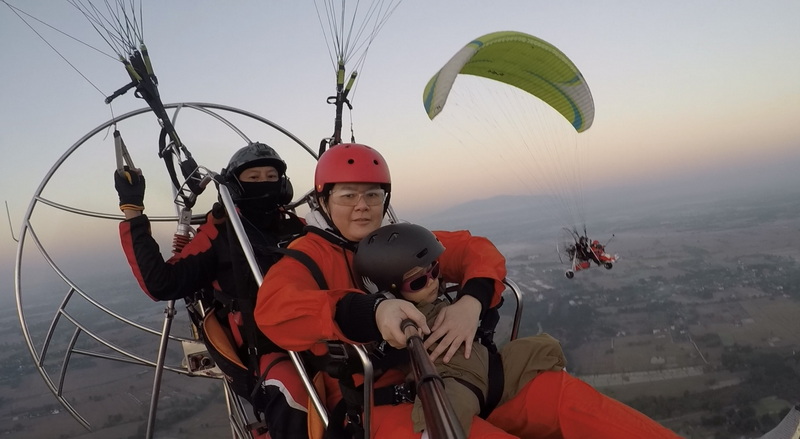
Travel photograph selected for Chiang Mai Paramotor destination guide, Chiang Mai Paramotor main article view 4 2

A Simple Flow from Sky to Ground

A flexible regional itinerary might begin with the paramotor experience, continue with a nearby attraction, and finish with a meal or rest period chosen according to the family’s energy. This order gives the most active part of the day a clear place while leaving room for quieter enjoyment afterward. It also helps travelers avoid turning every stop into another demanding activity.

Visitors interested in Flying Paramotor San Kamphaeng can use the wider district as a reason to slow down and look beyond a single booking or photo opportunity. San Kamphaeng is associated with crafts, rural surroundings, and wellness-oriented places, but each venue should be considered on its own terms and checked for current conditions. A respectful visit supports local businesses without reducing the area to a backdrop for adventure.

The strongest itinerary is usually the one that accommodates different reactions. One traveler may remember the open sky, another the warmth of a spring, and a child may talk mostly about water slides or a favorite snack. Those varied memories are not a weakness in the plan; they show that the day offered several ways to participate. By combining an aerial activity with accessible attractions, families can enjoy excitement while retaining the comfort of choice.

Nearby Attractions

San Kamphaeng Hot Springs

Travel photograph selected for San Kamphaeng Hot Springs destination guide.

San Kamphaeng Hot Springs can provide a slower, nature-oriented contrast to a paramotor flight. The site is known for geothermal water and landscaped areas, giving visitors an opportunity to rest, walk, and experience a different aspect of the district. Families should follow posted guidance around hot water and restricted areas, since temperatures can vary and not every pool or zone is appropriate for children.

For a mixed-age group, the springs may work best as a gentle stop rather than an activity that everyone must approach in the same way. Some people may prefer to observe the geothermal features, while others may enjoy designated bathing areas when available. Check current rules, opening information, and facilities before visiting, and remember that hot conditions call for hydration, supervision, and sensible breaks.

Tube Trek Water Park

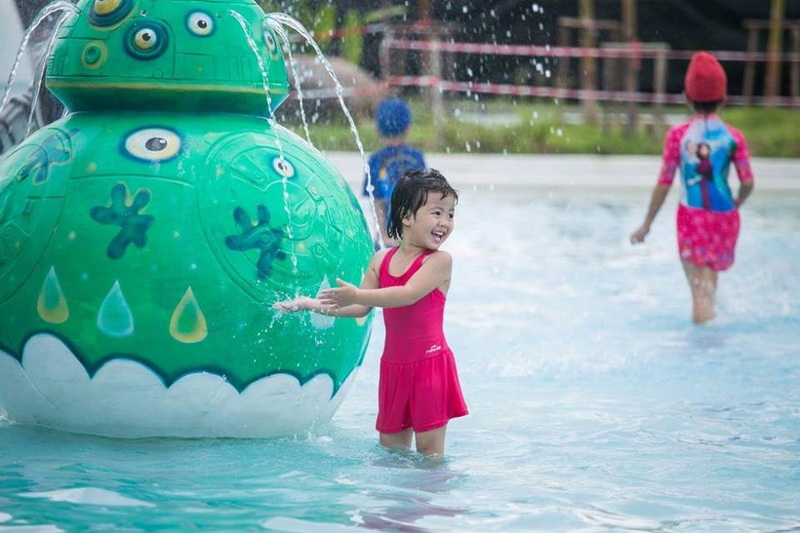
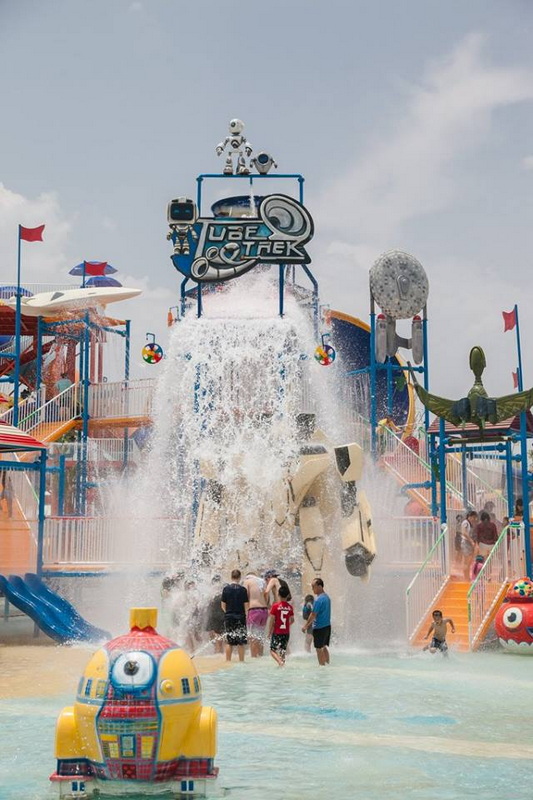
Travel photograph selected for Tube Trek Water Park destination guide.

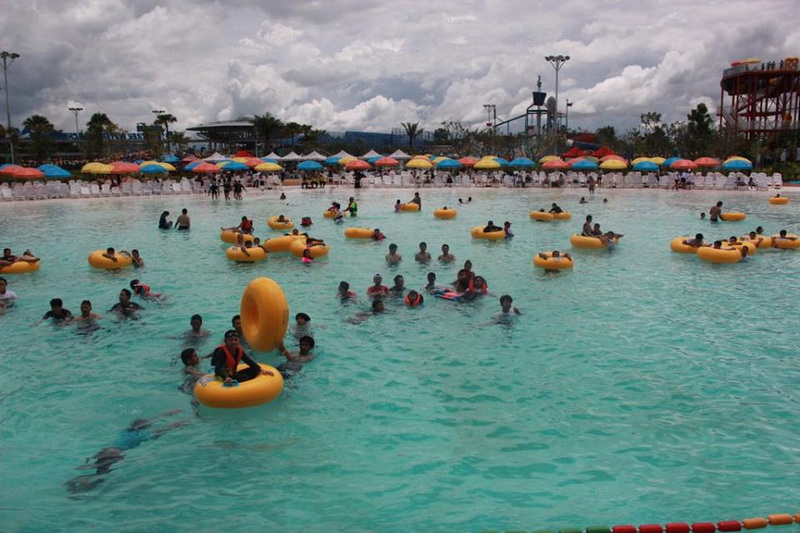
Tube Trek Water Park offers a more playful alternative for families who want an active ground-based attraction after viewing the countryside from above. Water attractions can give children a clear focus and allow adults to participate at their own comfort level, although each visitor should follow age, height, swimming, and safety guidance displayed by the venue.

A water park visit requires practical preparation that differs from a flight. Bring suitable swimwear, sun protection, and a plan for keeping valuables secure, while checking current operating information directly because facilities and access conditions can change. For younger children, close adult supervision remains essential even where lifeguards or safety systems are present. Including this stop can make the day feel balanced: the paramotor supplies the aerial perspective, and water play provides a familiar form of family recreation.

A Last Look at the Journey

A well-planned Chiang Mai Paramotor outing does not require every person to fly or follow an identical schedule. The flight can be the adventure traveler’s highlight, while San Kamphaeng Hot Springs or Tube Trek Water Park may better suit another family member. Confirm current requirements, respect weather and local guidance, and leave enough space for rest and choice. With that balance, Flying Paramotor Thailand becomes part of a broader day that feels exciting, considerate, and enjoyable for the whole group.

Sunday, November 8, 2026

Mae Ping National Park Guide for Chiang Mai Travel Packages

Mae Ping National Park Guide for Chiang Mai Travel Packages

A practical nature-planning guide for package travelers exploring Lamphun’s forested landscapes

Travel photograph selected for Mae Ping National Park destination guide.

Mae Ping National Park offers a quieter northern Thailand experience for travelers who want forests, mountain scenery, and time outdoors rather than a tightly packed sightseeing schedule. Located in Li District, Lamphun, the park protects a broad natural landscape shaped by upland woodland, streams, valleys, and the Mae Ping River system. Its scale and rural setting mean that a visit is best approached with realistic expectations: this is a nature destination where conditions, access, and available activities can vary. For international visitors, a Chiang Mai-based travel package can simplify the planning process, particularly when the park is one part of a wider northern Thailand journey. The most useful packages are those that explain the travel time, clarify which park areas are included, and leave enough space for short walks, viewpoints, or quiet observation. This guide focuses on how to assess that kind of arrangement and what to notice once you arrive. Whether it is described as Mae Ping, Maeping National Park, or Mae Ping National Park Thailand, the destination rewards preparation. Understanding the setting, seasonal differences, walking expectations, and responsible-visitor principles can make a package visit more comfortable and more meaningful.

Understand the Park’s Setting Before You Go

Mae Ping National Park lies in Li District, Lamphun, in a part of northern Thailand known for extensive forest landscapes and low-density rural surroundings. The park is associated with the Mae Ping River and includes hills, woodland, waterways, and open areas shaped by seasonal weather. Rather than feeling like a single compact attraction, it is better understood as a large protected environment with different points of interest and changing conditions across the year.

This setting matters when reviewing a package description. A short stop may provide a scenic overview or a brief nature walk, while a longer park visit can allow more time for landscape observation and a slower appreciation of the forest. The exact experience depends on the route selected by the operator, current local conditions, and which areas are open or practical to visit on the day.

Among National Parks In Northern Thailand, Mae Ping stands out for travelers interested in broad natural scenery and a less urban atmosphere. Visitors should not expect every part of the park to offer the same facilities or level of accessibility. A practical mindset is to value the overall environment rather than build the visit around one guaranteed sighting, waterfall, or activity.

Choose a Package That Explains the Nature Experience

Chiang Mai Travel Packages connected with Mae Ping may suit travelers who prefer an organized framework for reaching a remote or less familiar destination. Package formats can differ widely. Some may place the park within a wider regional day of sightseeing, while others may give the protected area greater emphasis. Since specific inclusions are not universal, travelers should read the description carefully and ask questions before confirming a booking.

Useful questions concern the amount of time allocated inside the park, the type of walking involved, the meeting point, and how the plan responds to weather or temporary access changes. It is also sensible to ask whether meals, entrance arrangements, guides, or other services are included rather than assuming they are. Clear answers help prevent a mismatch between a relaxed nature outing and an itinerary designed mainly for passing views.

Travel photograph selected for Mae Ping National Park destination guide, Mae Ping National Park main article view 2 2

A suitable package should also communicate the physical character of the visit. Travelers may encounter uneven ground, heat, insects, limited shade, or stretches without convenient services. These are normal considerations for a protected forest area, not reasons to avoid the park. However, knowing them in advance allows visitors to select suitable footwear, clothing, water arrangements, and personal medication.

For first-time visitors, the strongest sign of a responsible operator is not a promise of an extraordinary encounter. It is clear communication, respect for park rules, and sensible handling of changing conditions. A package that leaves room for observation is often more rewarding than one that treats the park as a quick photo stop.

What Package Travelers Can Notice in the Park

The appeal of Mae Ping is often found in the relationship between forest, water, and terrain. Depending on the selected area and season, visitors may see dry or mixed deciduous woodland, rocky slopes, river scenery, and vegetation responding to the yearly rainfall cycle. The landscape can look markedly different after the rains compared with the drier months, so photographs and descriptions from another season may not precisely match conditions during your visit.

Short walks and viewing areas can provide an accessible introduction to the park. Look for changes in plant cover, exposed rock, bird calls, insect activity, and the way sunlight moves through the canopy. Quiet attention is more useful than rushing from one point to another. Wildlife belongs in the background of the experience: sightings are possible in a protected forest, but they are never something a responsible guide should guarantee.

Water-related scenery may be especially attractive where the route passes streams, river edges, or reservoir views. Visitors should follow local instructions around wet rocks, steep edges, and changing water levels. A scenic location is not automatically a safe swimming area, and package travelers should avoid entering water unless the park and guide clearly permit it.

Travel photograph selected for Mae Ping National Park destination guide, Mae Ping National Park main article view 3 2

The park can also be valuable for travelers who simply want a break from built-up environments. Forest sounds, distant ridgelines, and open views create a different rhythm from city sightseeing. Even a relatively brief visit can feel substantial when the schedule allows time to pause, listen, and observe rather than focusing only on collecting photographs.

Plan for Comfort Without Overplanning

A useful Mae Ping National Park Travel Guide should begin with practical preparation. Wear secure shoes with soles suited to uneven paths, choose light clothing that covers the skin comfortably, and carry sun protection and sufficient drinking water according to the package guidance. A small day bag is easier to manage than heavy luggage, especially if the visit includes walking or several changes of location.

Weather deserves particular attention. Northern Thailand can be hot, while rain can make trails or roadside areas slippery and can alter the feel of a river landscape. Smoke and haze may also affect visibility during parts of the dry season, although conditions vary. Check the current forecast and any park notices before departure, and accept that a responsible itinerary may change when safety or conservation requires it.

Travelers should tell their guide about mobility limits, health concerns, dietary needs, or other requirements before the outing begins. A package cannot remove every physical challenge, but advance communication may help the group choose realistic stopping points. Parents and older travelers in particular may prefer a plan that emphasizes viewpoints and gentle exploration rather than a demanding walk.

Keep expectations flexible. A route may be shortened, a viewpoint may be hazy, or a natural feature may look different from promotional images. These changes do not necessarily reduce the value of the visit. The park’s appeal is spread across its living landscape, and a calm response to uncertainty is part of traveling well in a protected area.

Travel photograph selected for Mae Ping National Park destination guide, Mae Ping National Park main article view 4 2

Travel Responsibly in Mae Ping

Responsible behavior protects both the park and the quality of future visits. Stay on permitted paths, follow signs and staff instructions, and take rubbish away when disposal facilities are not available. Avoid collecting plants, rocks, shells, or other natural materials. Do not feed animals, play loud music, or approach wildlife for photographs. These simple choices reduce disturbance and help preserve the character that package travelers come to experience.

Respect for local communities is equally important. The park exists within a wider regional setting where people live and work, so visitors should avoid treating rural places as scenery without context. Follow guidance about photography, behave thoughtfully at any local or religious site included in a route, and do not assume that a community or cultural practice is available for tourist display.

A considerate visitor also supports good group habits. Listen to the guide, keep the group’s meeting times in mind, and allow other visitors space at viewpoints. If your package includes a local guide, their knowledge of current conditions can be more valuable than a fixed online description. Asking respectful questions about the landscape is a good way to learn without expecting private information or unverified stories.

For travelers comparing National Parks In Northern Thailand, Mae Ping offers a strong lesson in patience. Its rewards are not limited to a famous landmark. They include the chance to see how forest, water, weather, and human care shape a protected landscape over time.

A Last Look at the Journey

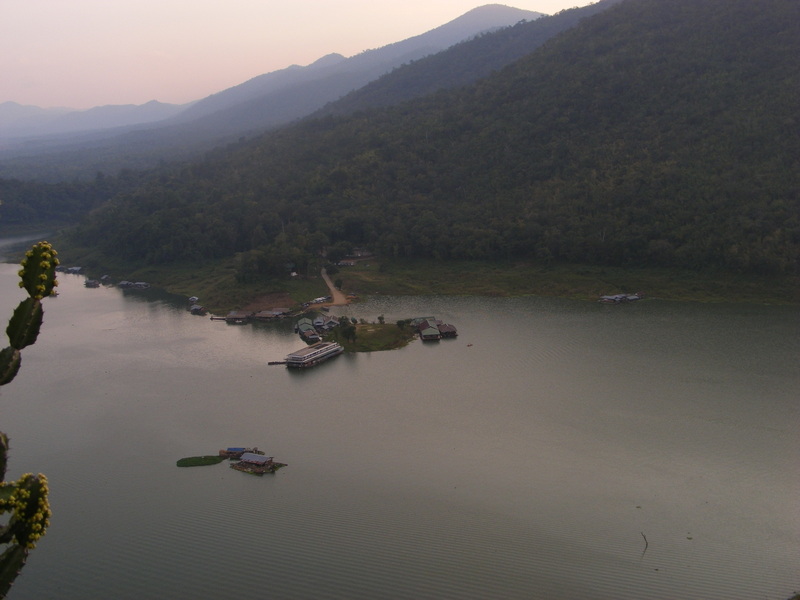
Mae Ping National Park is a rewarding choice for travelers who want natural space and a slower pace within a Chiang Mai-centered trip. The best package is one that explains its route clearly, allows realistic time in the park, and respects changing weather and conservation needs. Prepare for uneven outdoor conditions, remain flexible about what you may see, and give attention to the forest rather than chasing guarantees. With those expectations, a visit to Mae Ping can add a calm, grounded nature experience to a wider exploration of Lamphun and northern Thailand.
Saturday, November 7, 2026

Family Adventure Tours Featuring Tube Trek Water Park

Family Adventure Tours Featuring Tube Trek Water Park

A practical family guide to water-based fun, gentle exploration, and flexible day-trip planning from Chiang Mai

Travel photograph selected for Tube Trek Water Park destination guide.

Planning a family day out in Chiang Mai often means balancing excitement with comfort. Tube Trek Water Park offers an easy-to-understand adventure setting where children and adults can enjoy time around water, while parents can shape the day around different energy levels. It can be a useful focal point for families who want outdoor recreation without committing every member of the group to the same level of activity. The most successful visit begins with realistic expectations. Water attractions may suit confident swimmers, cautious beginners, older children, and adults in different ways, so families should consider supervision, age or height guidance, weather, sun protection, and rest opportunities before arriving. Conditions and available features can change, making it sensible to confirm current visitor information directly before setting out. This guide places the park within a broader family itinerary in San Kamphaeng District, Chiang Mai. It also considers how Muang On Cave and San Kamphaeng Village can add variety without turning the day into a rushed checklist. The aim is not to promise a perfect experience, but to help families create an inclusive plan with room for play, learning, breaks, and respectful local exploration.

Why the Park Can Work for Different Family Members

A water park has a natural advantage for mixed-age groups: everyone can participate at a personal pace. Some family members may be eager to try slides or floating activities, while others may prefer shallow water, observation areas, or a quiet break. This flexibility makes Tube Trek Water Park a practical option for families who do not want a demanding land-based adventure from morning to afternoon. Travelers researching Tubetrek Water Park can use these details when planning the trip.

Parents should still assess the setting according to the children travelling with them. Young children need close, active supervision around water, even when they are wearing flotation equipment or staying in designated areas. Older children may be ready for more independent play but still benefit from clear boundaries and regular check-ins. A family discussion before arrival can cover where to meet, which activities are suitable, and what to do if someone feels tired or uncomfortable.

The attraction is best viewed as one part of a family outing rather than a test of bravery. Children should never feel pressured to use an activity simply because another family member enjoys it. An inclusive visit allows a cautious child to watch first, gives adults time to rest, and recognizes that enjoying the atmosphere can be as meaningful as completing every available activity.

Building a Comfortable Chiang Mai Family Adventure

Families searching for Family Adventure Tours Chiang Mai can use the park as an anchor for a carefully paced day. Instead of filling every hour, begin by identifying the experience that matters most to the group. If water play is the main goal, allow generous time for changing, settling in, eating, and taking breaks. If the park is only one stop, a shorter visit may be more suitable for younger children who tire quickly.

Travel photograph selected for Tube Trek Water Park destination guide, Tube Trek Water Park main article view 2 2

A planning-first approach also helps with clothing and practical items. Families generally benefit from swimwear, sun protection, dry clothes, drinking water where permitted, and a simple way to keep track of personal belongings. Children may need more frequent shade and hydration than adults expect, particularly during hot weather. A lightweight towel, familiar snacks if allowed, and a small comfort item can make transitions easier for younger travellers.

When comparing Chiangmai Tours, look for an itinerary that leaves space for family decisions rather than treating every stop as compulsory. Ask whether the pace is appropriate for children, how much walking is involved, and whether the day allows flexibility. Exact inclusions, access rules, and operating arrangements can vary, so current details should be checked before booking or travelling. The best plan is one that supports the family, not one that simply contains the greatest number of attractions.

A Day Rhythm That Keeps Adventure Enjoyable

A useful family rhythm is to alternate high-energy activity with calm intervals. At Tube Trek Water Park, children might begin by observing the layout and choosing activities together. After active play, schedule a pause for shade, food, or quiet conversation. This approach reduces the chance that tiredness will appear suddenly and helps adults notice when a child needs a change of pace.

Families with young children may prefer an earlier start to the adventure portion of the day, when everyone is rested. Older children and teenagers may want more freedom, but agreed meeting points and regular check-ins remain important. Multi-generation groups can divide naturally: some relatives enjoy active water time while others provide company during a quieter break. No one should be made to feel that relaxing is an interruption to the trip.

Travel photograph selected for Tube Trek Water Park destination guide, Tube Trek Water Park main article view 3 2

Weather deserves attention in any outdoor plan. Heat, strong sunlight, rain, and thunderstorms can affect comfort and safety, so families should remain prepared to shorten or rearrange the visit. A flexible itinerary might place the water activity and nearby exploration on the same general day while allowing the order to change. Checking current conditions and local guidance is more reliable than assuming a fixed plan will suit every season.

Small Choices That Improve the Experience

Responsible family travel begins with following safety instructions and respecting shared spaces. Children can be encouraged to wait their turn, listen to staff, keep walkways clear, and use facilities as directed. Adults set the tone by avoiding risky shortcuts and by treating rules as part of the experience rather than an obstacle to fun.

Families can also reduce their impact by using bins, limiting unnecessary single-use items, and leaving outdoor areas as they found them. Water-based recreation is more enjoyable when visitors remember that other groups need space and quiet too. A considerate approach is especially valuable when an attraction forms part of a wider community and local residents are also using nearby roads, shops, or public areas.

The Tube Trek Water Park Travel Guide perspective is therefore broader than a list of attractions. It asks whether the day is safe, manageable, and respectful for everyone involved. Before travelling, confirm current access information, age or height restrictions, permitted equipment, food arrangements, and any weather-related changes. These details are operational rather than permanent features, and checking them directly helps prevent avoidable disappointment.

Travel photograph selected for Tube Trek Water Park destination guide, Tube Trek Water Park main article view 4 2

Combining Water Play with Local Discovery

A family itinerary becomes more memorable when it includes different kinds of attention. Water activities provide movement and excitement, while a cave or village visit can encourage observation and conversation. Combining them does not require a packed schedule. One major activity and one complementary stop may be enough, especially for children who need downtime between experiences.

Muang On Cave can add a natural and educational dimension to a visit, provided the family is comfortable with the physical conditions and follows local guidance. San Kamphaeng Village can offer a contrasting setting in which families observe local life and craftsmanship with courtesy. Neither stop needs to be treated as entertainment for visitors alone; children can learn to notice how places function for residents and why respectful behavior matters.

For groups using the phrase Tube Trek Water Park Thailand while researching a wider holiday, the same principle applies: choose experiences that fit the family rather than chasing famous names. A relaxed day in San Kamphaeng District can be more rewarding than a demanding itinerary with too many transfers and late finishes. The park, nearby natural setting, and local community context can work together when the schedule remains spacious.

Nearby Attractions

Muang On Cave

Travel photograph selected for Muang On Cave destination guide.

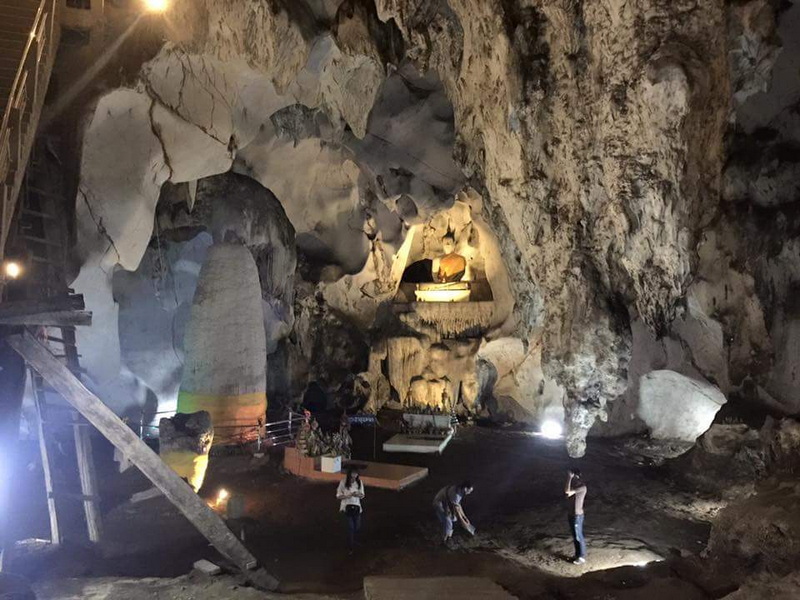
Muang On Cave can complement a water-park visit with a quieter natural experience. The cave environment introduces children to rock formations, underground spaces, and the importance of moving carefully through a geological site. Families should consider the amount of walking, stairs, uneven surfaces, lighting, and humidity before including it, particularly when travelling with toddlers, older relatives, or anyone with mobility concerns.

A visit is more engaging when adults turn it into gentle observation rather than a race to the deepest point. Children can look for changes in texture, temperature, and sound while staying close to their group. Follow signs and local instructions, avoid touching formations, and keep voices considerate. Checking current access conditions before travelling is important because natural attractions may have restrictions or temporary changes.

San Kamphaeng Village

Travel photograph selected for San Kamphaeng Village destination guide.

San Kamphaeng Village offers families a chance to experience a local setting at a slower pace after active water play. Depending on the places open during the visit, children may observe community life, local crafts, or everyday commercial activity. The most respectful approach is to watch, ask permission before taking photographs, and remember that workshops and businesses are working environments rather than staged performances.

Parents can prepare children by explaining that visitors should be polite guests. Encourage them to listen, avoid blocking entrances, and handle displayed items only with permission. A village visit does not need a formal lesson to be valuable; noticing materials, techniques, and the relationship between making and selling can prompt useful conversations about local livelihoods. Allowing time for a calm walk or a simple refreshment break can also help balance the energy of the water park.

A Last Look at the Journey

Tube Trek Water Park can suit families seeking an active Chiang Mai outing, especially when the plan allows different comfort levels and plenty of pauses. Pairing water recreation with Muang On Cave or San Kamphaeng Village adds natural and cultural perspective without requiring an exhausting schedule. Keep safety, weather, supervision, and respectful behavior at the center of the day, and verify current practical details before travelling. With a flexible rhythm, family members can choose how they participate while still sharing the excitement of exploring San Kamphaeng District together.

Friday, November 6, 2026

Ku Chang Ku Ma A Cultural Guide to Lamphun Heritage

Ku Chang Ku Ma A Cultural Guide to Lamphun Heritage

Understanding Lamphun’s sacred landscape through local tradition, respectful travel, and thoughtfully planned regional visits

Travel photograph selected for Ku Chang Ku Ma destination guide.

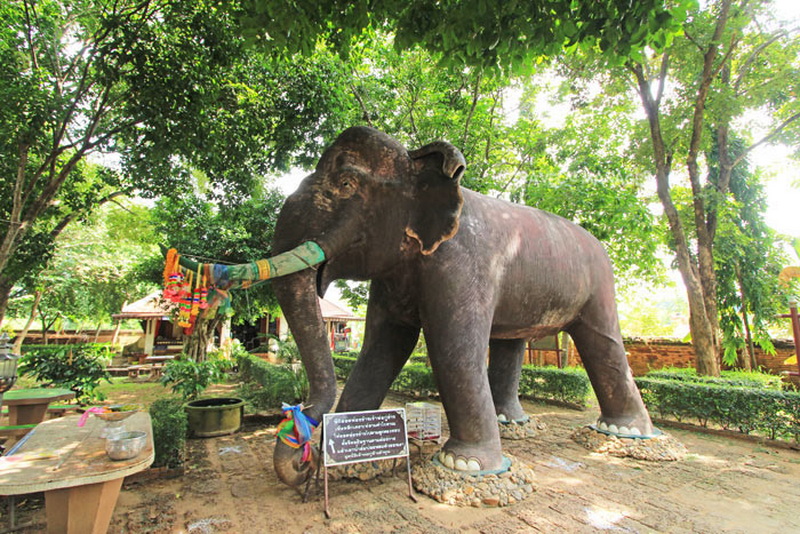
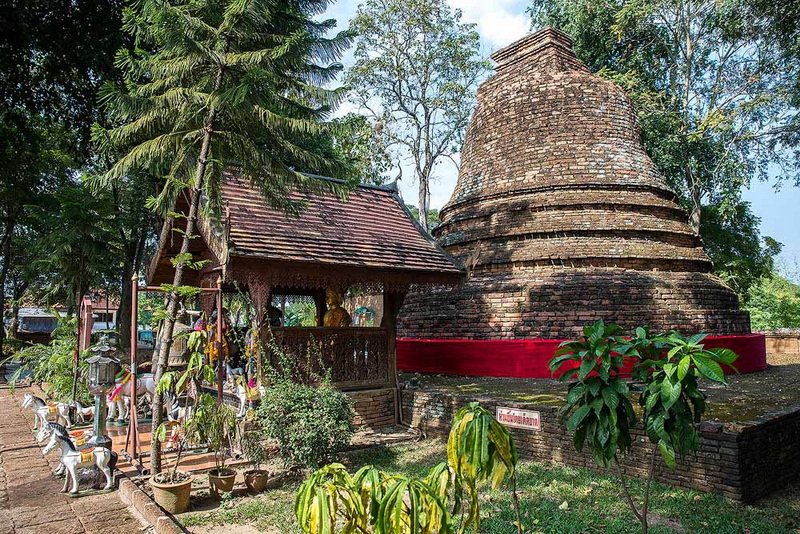
Ku Chang Ku Ma is a quiet cultural landmark in Mueang Lamphun District, Lamphun, where local history, religious belief, and stories connected with the ancient Hariphunchai kingdom come together. Rather than being only a brief sightseeing stop, the site offers an opportunity to consider how memory is preserved through Buddhist monuments and community traditions. The name is commonly understood as referring to an elephant and a horse. Local tradition connects the two stupas with animals associated with Queen Chama Devi, the revered founder of Lamphun’s early kingdom. Stories surrounding the site may vary in detail, so visitors are best served by treating them as living heritage rather than as a single legend that must be reduced to a fixed explanation. This cultural guide places Ku Chang Ku Ma within a wider visit to Lamphun. It also explains how a Lamphun Thailand Travel Guide and Chiang Mai Travel Packages can help travelers connect several heritage sites without approaching them as interchangeable attractions. The most rewarding visit is observant and unhurried, allowing the setting, religious context, and continuing local respect for the site to remain central.

Why Ku Chang Ku Ma Matters in Lamphun

Ku Chang Ku Ma is associated with two distinctive chedi-like monuments traditionally linked to a royal elephant and horse. In Lamphun’s cultural memory, these animals are not treated simply as decorative symbols. They belong to stories about authority, loyalty, protection, and the founding traditions of the former Hariphunchai center. The site therefore reflects a relationship between political history and spiritual remembrance that is characteristic of many old northern Thai communities.

Travel photograph selected for Lamphun destination guide.

The monument’s importance is also connected with Queen Chama Devi, a central figure in Lamphun’s historical identity. Accounts of her life combine historical memory, religious tradition, and legend, and different tellings may emphasize different details. A respectful visitor does not need to decide which elements are literal before appreciating the place. It is enough to recognize that these narratives continue to shape how people understand Lamphun and its past.

The word “ku” is used in northern Thai contexts for a mound or stupa, while “chang” and “ma” refer to an elephant and a horse. This linguistic meaning helps explain why the landmark is often described in English as the elephant and horse stupas. Names can appear in several spellings, including Kou Chang Kou Ma and Kou Chang Kou Ma Lamphun. These variations usually point to the same cultural destination, but travelers should still check map labels carefully when making plans.

How to Read the Site as Living Heritage

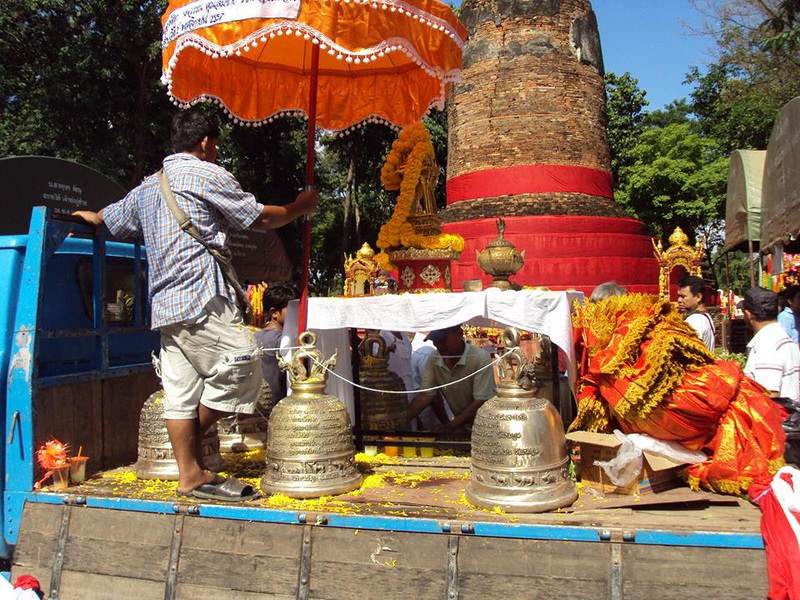
The most useful way to approach Ku Chang Ku Ma is as a sacred place that happens to welcome visitors, not as a museum display created solely for tourism. The monuments carry religious associations, and nearby community life may continue while a traveler is looking around. A calm pace, modest clothing, and a quiet voice are appropriate. If local worshippers are present, their activities should take priority over photography or close inspection.

Visitors may notice that the site does not communicate its meaning through a long sequence of interpretive exhibits. Its character comes from form, setting, oral tradition, and its relationship with Lamphun’s other religious landmarks. Reading about the Hariphunchai period before arriving can make the visit more meaningful, but written background should support observation rather than replace it. Details such as the shape of the stupas, surrounding trees, offerings, and signs of regular care can help reveal how heritage remains part of daily life.

Travel photograph selected for Ku Chang Ku Ma destination guide, Ku Chang Ku Ma main article view 2 2

Photography should be considerate. Ask permission before photographing people, avoid placing cameras directly in front of worshippers, and do not touch monuments or offerings. Travelers should also avoid climbing on structures, moving objects, or treating sacred symbols as props. These simple choices protect the dignity of the place and help ensure that cultural tourism benefits from attention without turning devotion into spectacle.

Building a Thoughtful Lamphun Visit

A visit to Ku Chang Ku Ma works especially well as part of a broader day of cultural exploration in Lamphun. The town’s heritage is compact in character, yet each site presents a different view of the region’s religious and historical development. Instead of trying to collect photographs quickly, travelers can leave space to notice contrasts between royal traditions, Buddhist architecture, community shrines, and ordinary streets. This approach suits independent visitors as well as those traveling with a guide.

A reliable Lamphun Thailand Travel Guide can provide useful regional context, directions, seasonal considerations, and reminders about temple etiquette. Because smaller heritage sites may not have the same visitor infrastructure as major attractions, it is sensible to confirm current access information locally and allow flexibility. Exact opening arrangements, ceremonies, and local practices can change, so travelers should not assume that an online description represents every day.

Chiang Mai Travel Packages may include Lamphun as a cultural extension from Chiang Mai, particularly for travelers who want to see more than the larger city’s well-known temples. Package travel can reduce the need to coordinate transport and can provide historical interpretation, but the quality of the experience depends on whether the schedule leaves room for respectful observation. Before choosing an organized option, travelers should ask whether the visit supports local etiquette, allows adequate time, and avoids presenting sacred places as hurried photo stops.

Travel photograph selected for Ku Chang Ku Ma destination guide, Ku Chang Ku Ma main article view 3 2

Independent travelers can use the same principles when arranging their own transport. Keep the plan flexible, carry water, protect yourself from strong sun, and wear clothing suitable for entering religious surroundings. If traveling during a festival or important Buddhist observance, expect a different atmosphere and follow instructions from local residents or temple staff. The purpose is not to seek a guaranteed performance of tradition, but to be receptive to the place as it is encountered.

Connecting the Monument with Lamphun’s Wider Story

Ku Chang Ku Ma becomes easier to understand when considered alongside Lamphun’s wider network of religious and historical places. The city is associated with Hariphunchai heritage, Buddhist devotion, and layers of northern Thai history that cannot be represented by one monument alone. A visit can therefore prompt broader questions: how do communities remember founders, how are animals represented in royal traditions, and how do sacred sites remain meaningful after political centers change?

The landmark also illustrates why cultural travel benefits from local interpretation. A guide, resident, or trustworthy historical source may explain names and traditions in ways that a short sign cannot. Travelers should remain open to variations in storytelling rather than treating differences as errors. Oral history often carries emotional and communal meaning even when it does not follow the format of an academic chronology.

For visitors searching for a Ku Chang Ku Ma Travel Guide, the essential advice is simple: learn a little before arriving, look carefully while there, and leave the site undisturbed. Search terms such as Ku Chang Ku Ma Lamphun, Ku Chang Ku Ma Mueang Lamphun, and Ku Chang Ku Ma Thailand can help distinguish this destination from similarly named places, but respectful conduct matters more than finding the perfect wording. The landmark is valuable because it remains connected to people, belief, and place.

Nearby Attractions

Wat Phra Yuen

Travel photograph selected for Wat Phra Yuen destination guide.

Wat Phra Yuen adds another layer to a cultural visit in Lamphun. The temple is known for its substantial brick-and-stucco chedi and its connection with northern Thai Buddhist architecture. Its appearance reflects the region’s long religious history, while the temple setting remains a place of worship rather than a purely historic monument. Travelers should look for architectural details patiently and avoid reducing the visit to a comparison of visual styles.

The temple can help visitors place Ku Chang Ku Ma within a broader sacred landscape. Both sites encourage attention to continuity: monuments may be old, but they are encountered within living communities and ongoing religious practice. Modest clothing, quiet behavior, and care around photography are appropriate. When planning a combined visit, allow enough time for each location to be experienced on its own terms rather than rushing through them as a checklist.

Wat San Pa Yang Luang

Travel photograph selected for Wat San Pa Yang Luang destination guide.

Wat San Pa Yang Luang is another significant religious landmark to consider when exploring Lamphun. The temple is recognized for its Lanna architectural character and intricate decorative work, offering a different visual emphasis from the stupa forms associated with Ku Chang Ku Ma. Its details reward slow observation, especially for travelers interested in craftsmanship, religious art, and the ways northern Thai design expresses devotion.

A visit here can complement the stories connected with Lamphun’s early heritage by showing how temple art and architecture continue to communicate Buddhist values. As with any active temple, visitors should follow posted or locally given guidance, keep voices low, and avoid interrupting ceremonies. Including Wat San Pa Yang Luang in a cultural day is most respectful when the purpose is learning and appreciation, not simply accumulating attractions.

A Last Look at the Journey

Ku Chang Ku Ma offers a small but meaningful point of entry into Lamphun’s cultural landscape. Its elephant-and-horse traditions, connections with Queen Chama Devi, and sacred setting invite visitors to think beyond surface-level sightseeing. Whether reached independently or through Chiang Mai Travel Packages, the visit is strongest when paired with patience, local awareness, and respect for living religious practice. With Wat Phra Yuen and Wat San Pa Yang Luang adding further context, travelers can leave Lamphun with not only photographs, but also a deeper appreciation for how memory, faith, and community remain closely connected.

Su Tong Pae Bridge in a Combined Pai and Mae Hong Son Journey

Su Tong Pae Bridge in a Combined Pai and Mae Hong Son Journey A thoughtful route through bamboo landscapes, mountain culture, and compleme...