Phra That Hariphunchai Temple and the Living Culture of Lamphun
A respectful visitor perspective on one of Northern Thailand’s enduring Buddhist landmarks
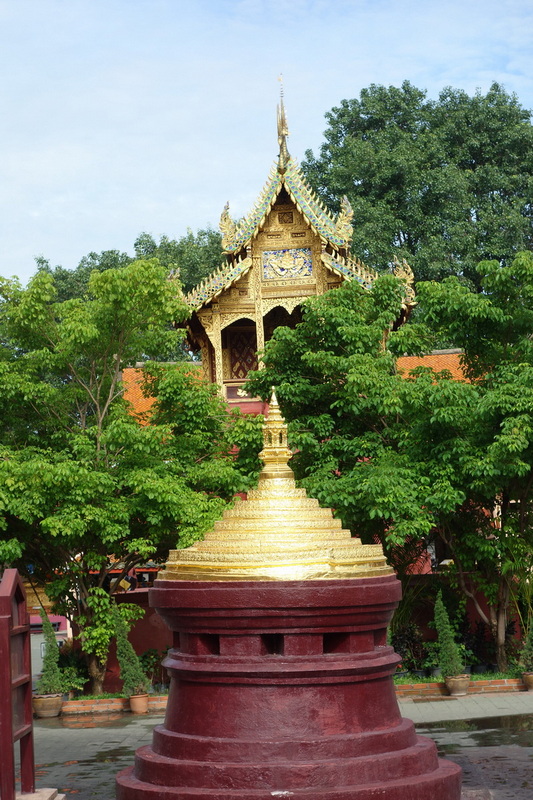
Among the Important Temples in The North of Thailand, Phra That Hariphunchai Temple stands out for the way religious devotion, regional history, and everyday community life meet within one urban sanctuary. Known locally through names such as Wat Phra That Hariphunchai and Phrathat Hariphunchai, it is not simply a monument to view from outside. It remains a significant place of worship in the center of Lamphun, where visitors may encounter prayer, offerings, ceremonies, and quiet acts of respect alongside architectural details. For travelers who Visit Lamphun Thailand, the temple provides a useful introduction to the former Hariphunchai kingdom and to the distinctive cultural landscape of Lamphun Province. A visit is best approached slowly: notice the relationship between the central chedi and surrounding buildings, observe how people use the compound, and allow historical knowledge to deepen what is seen. The experience is less about collecting photographs than understanding why this place continues to matter.
A Temple Rooted in Lamphun’s Hariphunchai Past
Lamphun occupies an important place in northern Thai history. The city developed around Hariphunchai, an early Mon cultural and political center traditionally associated with Queen Chama Devi. Later Lanna rulers and communities shaped the region, but the memory of Hariphunchai remained central to Lamphun’s identity. Phra That Hariphunchai Temple reflects these overlapping layers rather than belonging to only one historical period.
The temple is traditionally connected with a sacred Buddha relic and has long held a prominent position in the religious life of the city. Its formal name, Wat Phra That Haripunchai Woramahawihan, signals its status as a major royal temple. Historical traditions surrounding its foundation and development vary, as they often do at old Buddhist sites, but its enduring role as a pilgrimage destination is clear. The sanctuary links Lamphun’s present-day Buddhist practice with stories reaching back to the Hariphunchai era.
This background helps explain why the temple feels different from a newly built religious complex. Its importance is cumulative. Generations have repaired, enlarged, decorated, and worshipped here, leaving a place where historical memory is expressed through living practice rather than displayed only in a museum.
Reading the Temple Through Its Visual Center
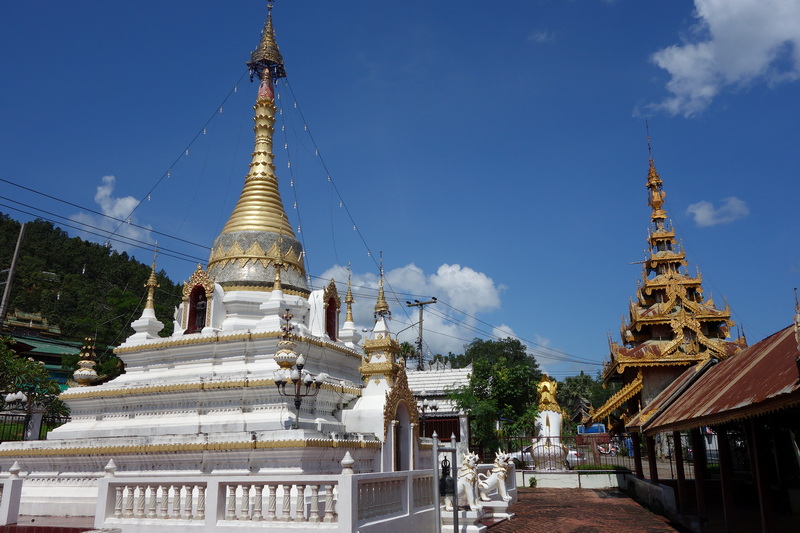
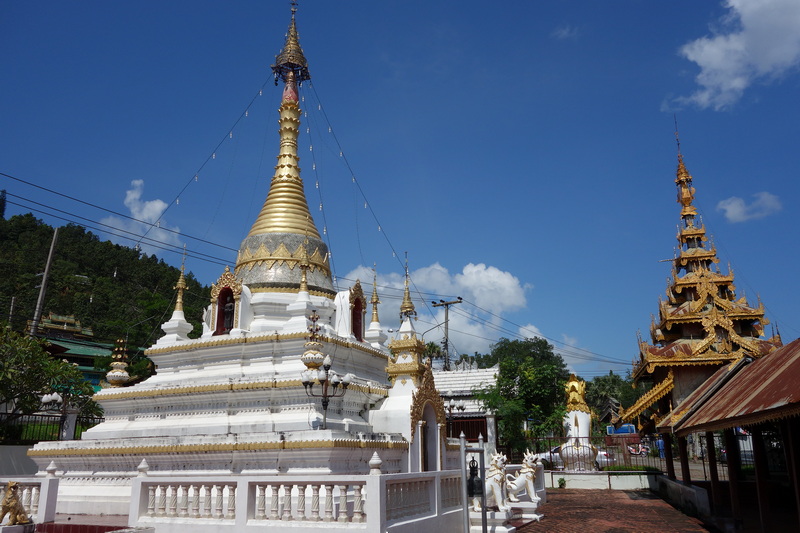
The visual focus of Phrathat Hariphunchai is the large gilded chedi, whose shining surface draws attention across the temple compound. Its form is associated with northern Thai Buddhist architecture, while the site’s older Hariphunchai and Mon connections add another layer of meaning. The chedi is not merely an ornamental centerpiece. For worshippers, it represents a sacred focus connected with the presence of the Buddha and with the continuity of religious tradition.
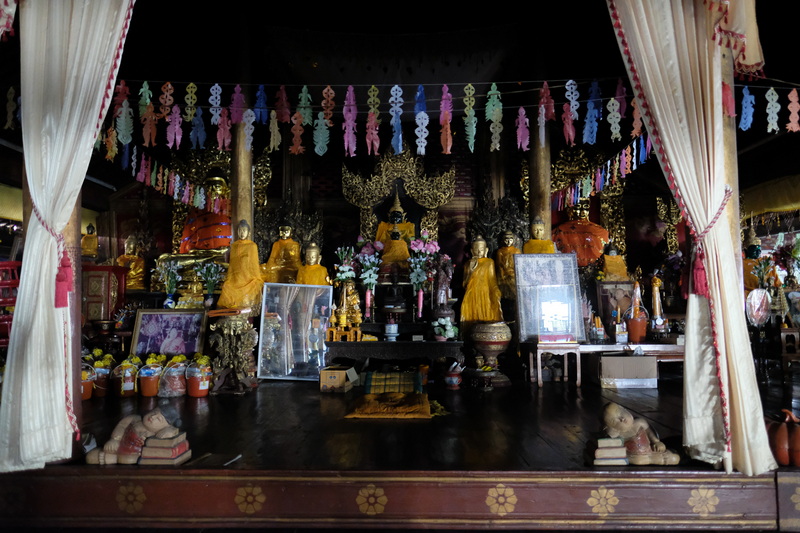
Around the principal stupa are halls, gateways, images, and decorative details that reward a slower look. Rooflines, carved elements, guardian figures, and layered ornament show how northern religious architecture combines structure with symbolic protection and beauty. Visitors do not need specialist knowledge to appreciate these features, but it is helpful to remember that the compound was designed for devotion and community use, not only for sightseeing.
The experience changes according to where one stands. From a distance, the chedi creates a strong sense of vertical emphasis and ceremony. Closer views reveal smaller details and the movement of people making offerings or entering prayer spaces. This changing scale is one reason a quiet circuit through the grounds can be more meaningful than a quick glance at the main tower.
What a Respectful Visit Can Feel Like
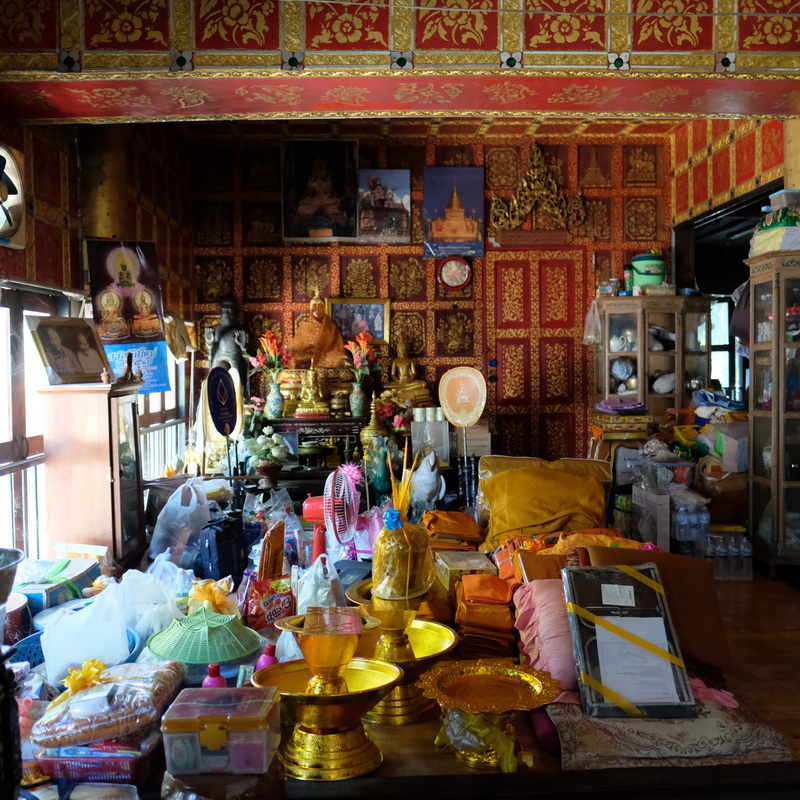
A visitor to Hariphunchai Temple can expect a mixture of visual discovery and ordinary religious activity. Some moments may feel lively, particularly when worshippers arrive, while others may be calm and contemplative. The most valuable approach is observational rather than hurried. Watch how local people move through the space, but avoid treating private prayer as a performance. The temple’s atmosphere is shaped by those who come to worship, not only by those who come to look.
Modest clothing and considerate behavior are appropriate in any active Buddhist temple. Visitors should remove shoes where requested, keep voices low inside worship areas, and avoid touching sacred objects or climbing on architectural features. Photography may be suitable in some parts of the compound, but it should never take priority over signs, ceremonies, or the privacy of worshippers. A respectful pause before taking a photograph can help clarify whether the moment is appropriate.
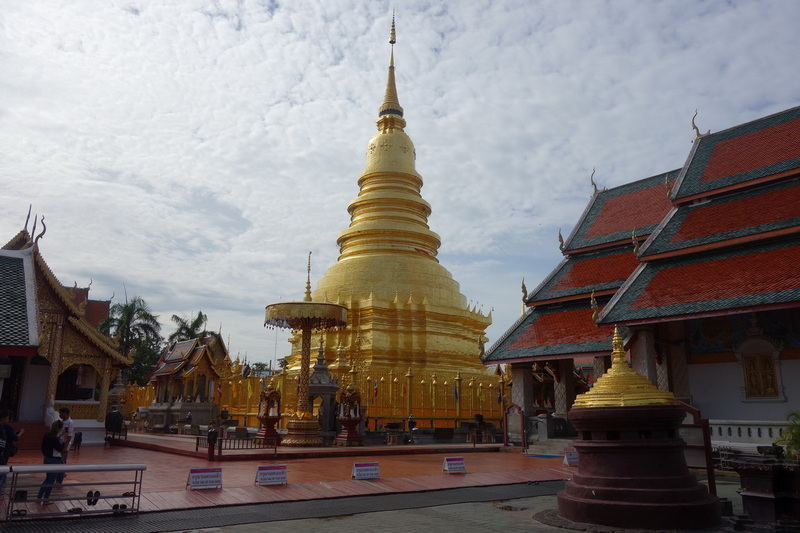
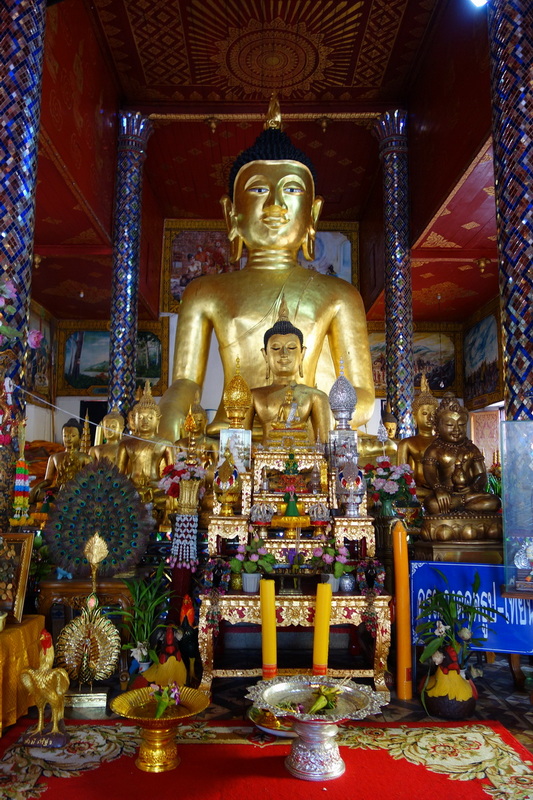
The central chedi naturally attracts attention, yet the surrounding spaces often provide the clearest sense of daily life. Look for offerings, incense, flowers, and visitors paying respects in their own ways. These details show that the temple is not frozen in the past. Its heritage survives because it continues to serve spiritual and social purposes for Lamphun residents.
Why It Belongs Among Important Temples in The North of Thailand
Northern Thailand contains many celebrated Buddhist temples, but each has a different relationship with regional history. Phra That Hariphunchai is especially significant because its identity is tied to the ancient city of Lamphun and to the persistence of Hariphunchai traditions within a later Lanna cultural setting. This makes the temple valuable to travelers who want to understand how northern history developed through connection and adaptation.
Its importance also comes from the meeting of religious and civic life. Major temples in northern cities have often served as places for merit-making, festivals, teaching, remembrance, and community gatherings. The temple’s significance therefore cannot be measured only by the age of a building or the richness of its decoration. It is also found in the repeated acts of devotion that give the site meaning from one generation to the next.
For a culture-focused traveler, this wider context prevents the visit from becoming a checklist stop. The temple can be viewed as part of a network of sacred places, historic neighborhoods, and local memories across Lamphun. Understanding that network makes the golden chedi more than a striking landmark: it becomes an entry point into the region’s layered identity.
Placing the Temple Within a Lamphun Day
The temple’s location in Mueang Lamphun District makes it a natural reference point for exploring the city’s cultural character. Lamphun is generally more compact and less hurried in feeling than larger northern urban centers, allowing visitors to connect several heritage sites through a gradual day of walking or short local journeys. The strongest impression often comes from combining the principal temple with nearby places rather than viewing it in isolation.
A thoughtful visit might begin with attention to the temple’s main religious spaces, followed by time to observe smaller architectural details and the rhythm of worship. Afterward, nearby historical sites can add perspective on the people and traditions associated with the city. This sequence allows the temple to function as a beginning for learning, not an endpoint reached only for a photograph.
Travelers should also leave room for uncertainty in the experience. A ceremony, a group of worshippers, or a quiet period may change the atmosphere from one visit to the next. That variability is part of visiting a living sanctuary. Instead of expecting a controlled attraction, come prepared to be attentive, patient, and respectful of the temple’s primary purpose.
Nearby Attractions
Queen Cham Dhavi Monument
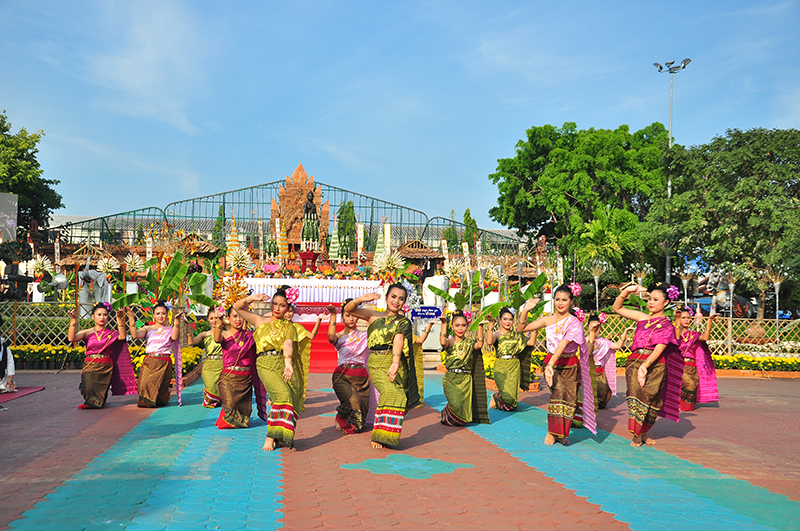
The Queen Cham Dhavi Monument connects visitors with one of the most important figures in Lamphun’s historical traditions. Queen Chama Devi is associated with the founding and early development of Hariphunchai, and her memory remains closely tied to the city’s identity. A visit offers useful context for understanding why Lamphun’s temples are linked so strongly with early regional history and royal legend.
Seen alongside Phra That Hariphunchai, the monument helps broaden the story beyond religious architecture. It points toward the people, leadership, and cultural memory behind the ancient city, giving travelers a more human perspective on Lamphun’s heritage.
Wat San Pa Yang Luang
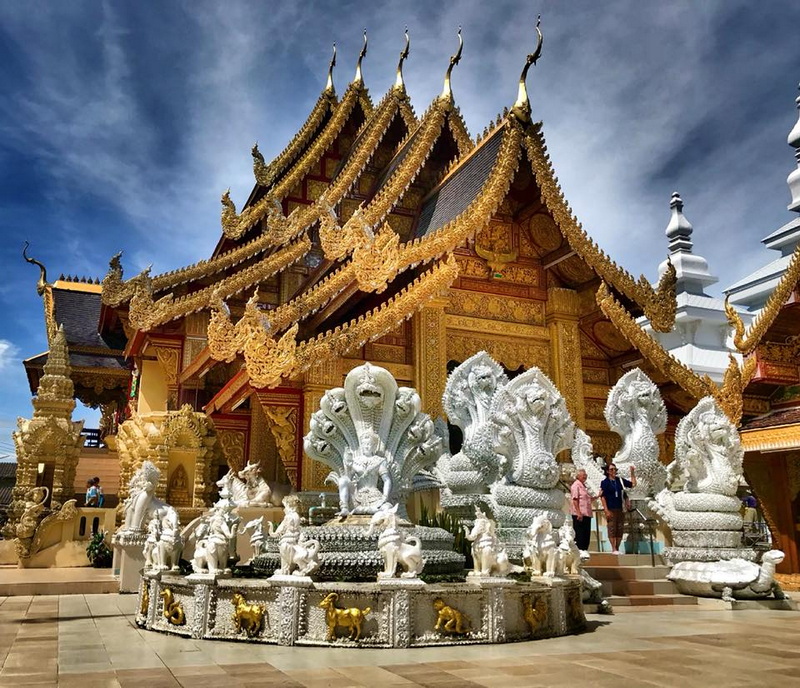
Wat San Pa Yang Luang is another religious and cultural site that can complement a visit to Phrathat Hariphunchai Temple. Its northern Buddhist setting offers a different point of comparison, encouraging visitors to notice how temple compounds express devotion through layout, ornament, images, and daily use.
Including Wat San Pa Yang Luang in a Lamphun itinerary can create a more rounded impression of the city’s religious landscape. Rather than looking for a single site to represent the whole province, travelers can observe the variety and continuity among its temples while maintaining the same respectful approach at each place.
A Last Look at the Journey
Phra That Hariphunchai Temple brings together sacred tradition, Hariphunchai history, and the continuing cultural life of Lamphun. Its golden chedi may be the first feature visitors notice, but the deeper experience comes from recognizing the temple as a living place of worship. With patience and respect, a visit becomes more than an architectural stop. It offers a clearer understanding of why Lamphun remains an important cultural center in northern Thailand and why its heritage is best encountered through both its monuments and its people.