Exploring Ban Nam Phiang Din Long Neck Village on Pai And Mae Hong Son Tour From Chiang Mai
Discover cultural richness and scenic beauty with a travel guide to Karen Longneck communities and nearby attractions
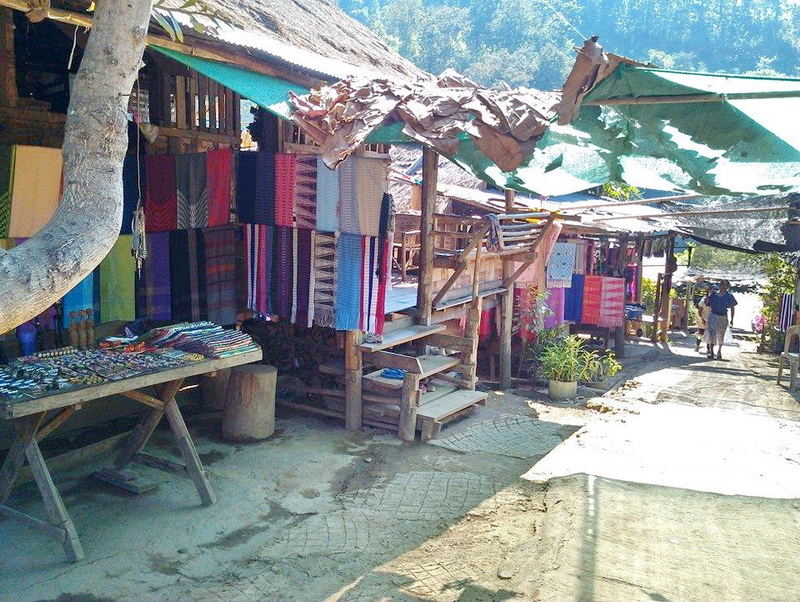
Travelers seeking a blend of cultural insight and natural beauty often consider combined tours that link Pai and Mae Hong Son, two captivating destinations in northern Thailand. Among the highlights of such journeys is Ban Nam Phiang Din Long Neck Village, a place that offers a respectful glimpse into the Karen Longneck community’s heritage. This village is not only a cultural landmark but also a vital part of understanding the diverse ethnic groups that enrich the region. A Pai And Mae Hong Son Tour From Chiang Mai typically includes visits to several unique locations, with Ban Nam Phiang Din Long Neck Village being a focal point for those interested in authentic cultural experiences. Alongside this, travelers can explore other nearby attractions such as Ban Rak Thai and Wat Phra That Doi Kong Mu, which add layers of historical and scenic interest to the itinerary. This article serves as a Karen And Karen Longneck Hill Tribe Travel Guide, providing essential background and travel context. It aims to inform visitors about the significance of the village and the community, while emphasizing cultural sensitivity and ethical tourism practices. By understanding these elements, travelers can approach their visit with respect and appreciation.
Overview of Pai And Mae Hong Son Tour From Chiang Mai
Pai and Mae Hong Son are two popular destinations in northern Thailand known for their breathtaking landscapes and rich cultural tapestry. Many travelers opt for combined tours from Chiang Mai, which allow them to experience both locations in a single journey, often spanning several days. These tours typically traverse mountainous routes, offering scenic vistas and opportunities to encounter various hill tribe communities along the way.
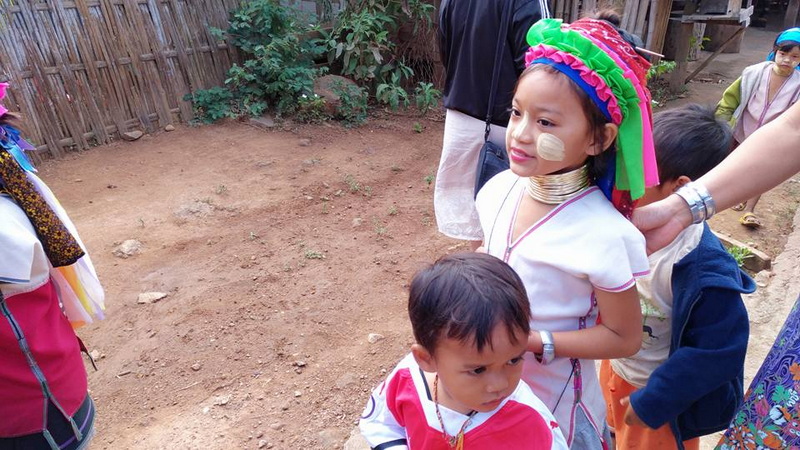
The combined tours are designed to balance natural beauty with cultural exploration, making them appealing for travelers interested in more than just sightseeing. The route from Chiang Mai to Mae Hong Son passes through diverse environments, from lush forests to serene lakes and traditional villages. This journey introduces visitors to the lifestyle and traditions of ethnic groups, including the Karen Longneck community found at Ban Nam Phiang Din Long Neck Village.
While itineraries can vary, the inclusion of Ban Nam Phiang Din Long Neck Village reflects a growing interest in cultural heritage tourism. This village provides a respectful environment where visitors can learn about the Karen people’s history, customs, and current way of life. The tours encourage meaningful interaction while promoting awareness of the community’s dignity and traditions.
The Cultural Significance of Ban Nam Phiang Din Long Neck Village
Ban Nam Phiang Din Long Neck Village is home to members of the Karen ethnic group, specifically the subgroup known as the Karen Longneck or Karen Padaung. This community is recognized for the distinctive brass rings worn around the neck by many women, a cultural practice that carries deep historical and symbolic meaning. The elongation of the neck is seen as a mark of beauty and identity within the tribe, though it is important to understand this tradition within its cultural context rather than as a spectacle.
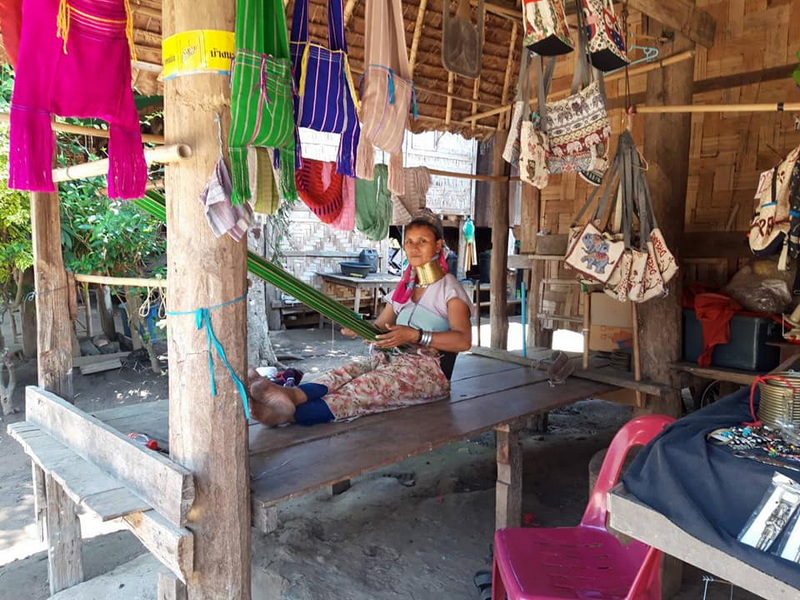
The village itself is situated in the Mueang Mae Hong Son District and offers visitors a chance to observe traditional crafts, weaving, and daily activities that have been passed down through generations. The community places strong emphasis on preserving its heritage while engaging with respectful tourism. Visitors are encouraged to approach the village with sensitivity, recognizing the Karen Longneck people as living individuals with rich cultural backgrounds rather than mere tourist attractions.
Educational efforts within the village often include explanations of the Karen’s history, their migration patterns, and their adaptation to modern challenges. Understanding these aspects helps travelers appreciate the community’s resilience and the importance of ethical visitation. Ban Nam Phiang Din Long Neck Village thus serves as both a cultural landmark and a reminder of the need for respectful intercultural exchange.
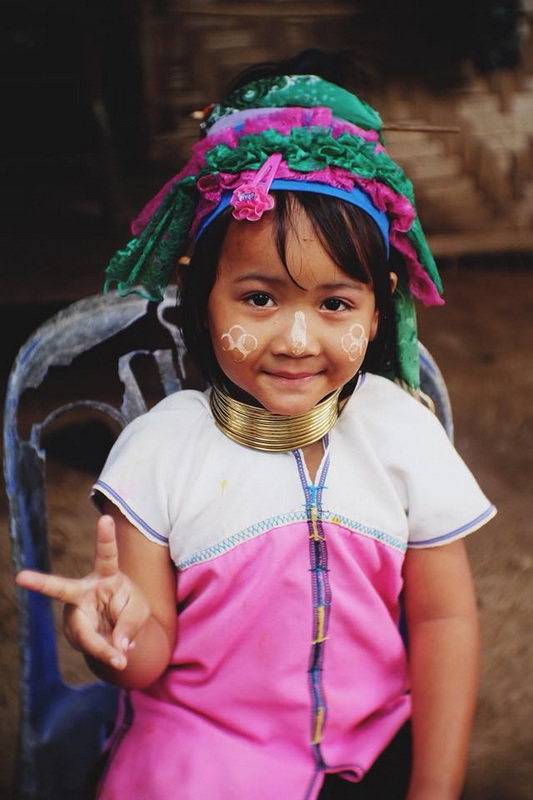
Understanding the Karen And Karen Longneck Hill Tribe Travel Guide
The Karen people are one of several hill tribes in northern Thailand, each with distinct languages, customs, and traditions. The Karen Longneck subgroup is particularly known for their unique adornments and cultural practices. However, it is essential for visitors to approach this community with respect and avoid exoticizing or commodifying their traditions.
This travel guide perspective encourages tourists to engage thoughtfully, recognizing the Karen Longneck community’s efforts to maintain their cultural identity amid external influences. The brass neck rings, for instance, have both cultural significance and personal meaning for the women who wear them. Understanding this helps counteract common misconceptions and promotes a more dignified appreciation of their heritage.
Furthermore, the Karen Longneck community often faces social and economic challenges, and responsible tourism can contribute positively when it supports community initiatives and respects local values. Visitors are advised to follow guidelines that uphold consent and dignity, refrain from intrusive photography, and prioritize interactions that foster mutual respect.
Exploring Nearby Attractions: Ban Rak Thai and Wat Phra That Doi Kong Mu
In addition to Ban Nam Phiang Din Long Neck Village, travelers on Pai And Mae Hong Son tours from Chiang Mai often visit nearby points of interest that enrich the cultural and natural experience. Ban Rak Thai is a charming village near the Myanmar border, known for its tea plantations and distinct Chinese Yunnanese influence. The village offers a peaceful atmosphere, traditional architecture, and local tea tasting, making it an excellent complement to the cultural insights gained at Ban Nam Phiang Din.
Wat Phra That Doi Kong Mu is another significant nearby attraction. This hilltop temple in Mae Hong Son is revered for its stunning views over the town and its historical importance as a spiritual center. The temple’s architecture reflects Shan Burmese style, hinting at the region’s complex cultural interactions. Visitors often find the temple a serene place for reflection after exploring the more community-focused sites.
Together, these nearby attractions provide a well-rounded travel experience, combining cultural diversity, spiritual heritage, and scenic beauty. They help contextualize the Karen Longneck village within the broader landscape of Mae Hong Son and its neighboring communities.
Travel Planning and Cultural Sensitivity for Visiting Ban Nam Phiang Din
Planning a trip that includes Ban Nam Phiang Din Long Neck Village requires careful consideration of cultural sensitivity and ethical tourism practices. Travelers should seek tours or guides that emphasize respectful engagement and provide educational context about the Karen Longneck community. Avoiding tours that treat the village as a spectacle or encourage exploitative behavior is crucial.
Visitors are encouraged to learn about the community’s customs before arrival and to follow local guidelines regarding photography and interaction. Consent is paramount; always ask permission before taking photos, and be mindful of the community’s privacy and dignity. Supporting local artisans by purchasing handmade crafts directly can contribute positively to the village economy.
Additionally, understanding the broader travel route and nearby attractions helps create a balanced itinerary that respects both cultural heritage and natural surroundings. Combining visits to Ban Nam Phiang Din with stops at Ban Rak Thai and Wat Phra That Doi Kong Mu offers a comprehensive perspective of the region’s diversity. Thoughtful travel planning enhances the experience for visitors and supports sustainable tourism that benefits local communities.
Nearby Attractions
Ban Rak Thai
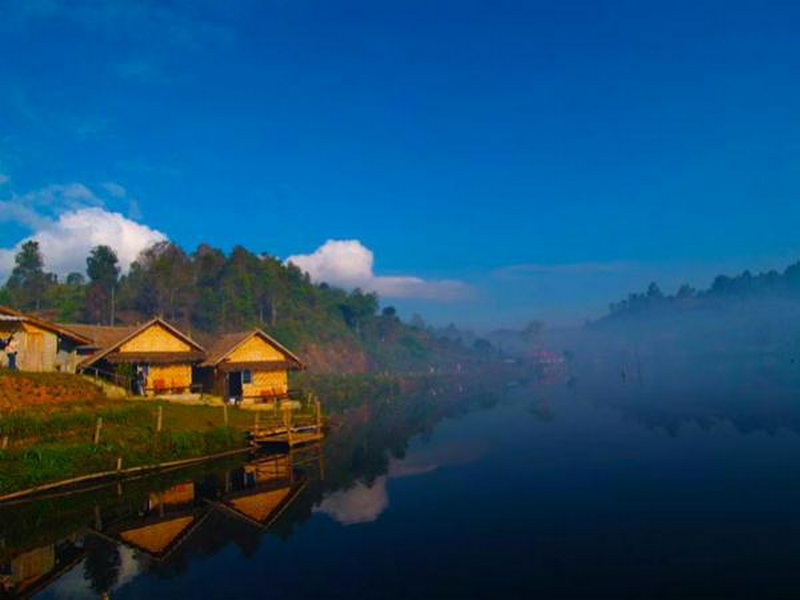
Ban Rak Thai is a picturesque village located near the border with Myanmar, known for its tranquil environment and tea plantations. The village was originally settled by Chinese refugees from Yunnan province, and this heritage is reflected in its architecture, cuisine, and cultural practices. Visitors often enjoy walking through the village’s narrow lanes, sampling local teas, and experiencing the blend of Chinese and northern Thai influences.
The peaceful setting of Ban Rak Thai makes it an ideal stop to relax and appreciate the slower pace of life in this borderland area. It provides a contrast to the hill tribe cultural experiences in Mae Hong Son, offering insight into the region’s ethnic diversity and historical migration patterns.
Wat Phra That Doi Kong Mu
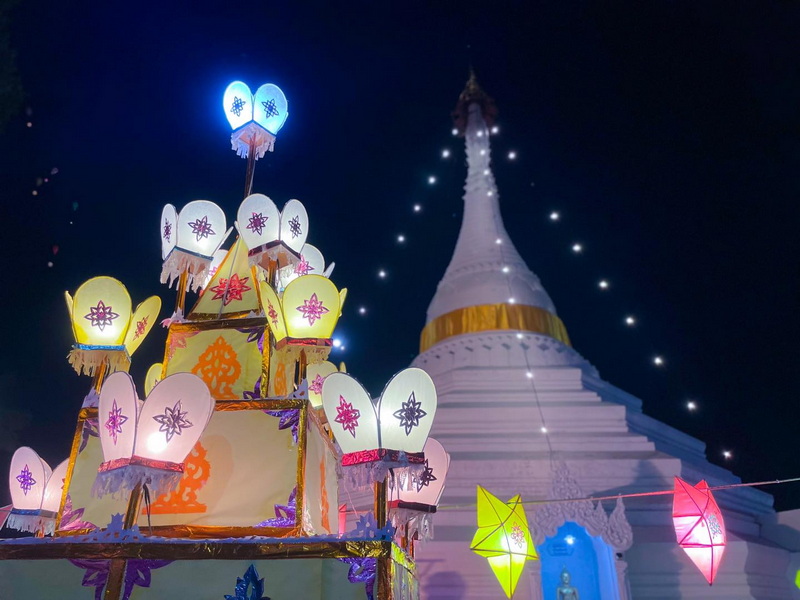
Wat Phra That Doi Kong Mu is a prominent temple situated on a hill overlooking Mae Hong Son town. This temple is renowned for its Shan-style architecture and its significance as a spiritual landmark in the region. Visitors can climb to the temple to enjoy panoramic views of the surrounding mountains and town below, making it both a cultural and scenic highlight.
The temple complex holds important religious ceremonies and is a place of worship for locals and visitors alike. Its peaceful atmosphere invites reflection and offers a deeper connection to the spiritual traditions that coexist alongside the diverse ethnic cultures found in Mae Hong Son.
A Last Look at the Journey
Visiting Ban Nam Phiang Din Long Neck Village as part of a Pai And Mae Hong Son Tour From Chiang Mai offers travelers a unique opportunity to engage with one of northern Thailand’s distinctive cultural communities. When approached with respect and understanding, these visits foster meaningful connections and enrich the travel experience. Alongside nearby attractions like Ban Rak Thai and Wat Phra That Doi Kong Mu, the journey reveals the layered histories and vibrant traditions that define this region. Thoughtful travel planning and cultural sensitivity ensure that such explorations support and honor the communities that welcome visitors into their lives.



No comments:
Post a Comment