Kho Ku So Bamboo Bridge for Combined Pai and Mae Hong Son Travel
A practical guide to linking Pai scenery, Mae Hong Son routes, and thoughtful local tour planning
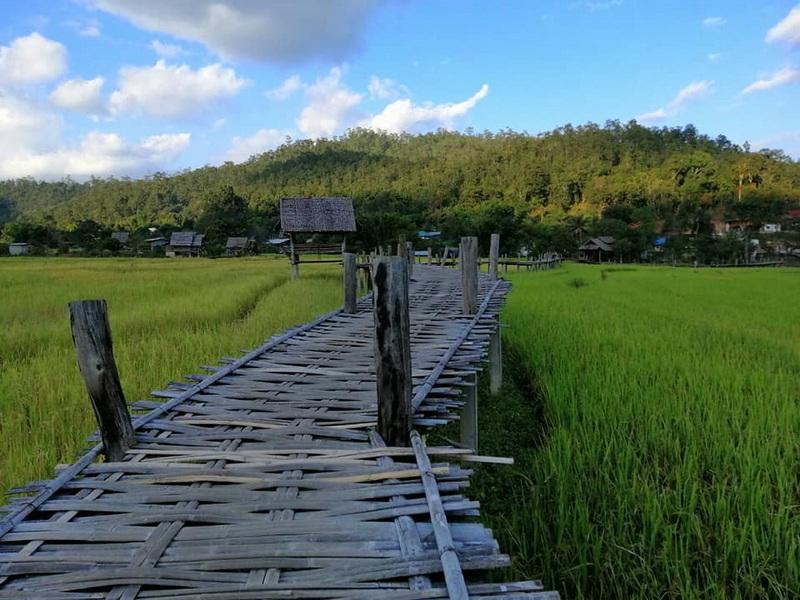
Kho Ku So Bamboo Bridge is a peaceful countryside landmark in Pai District, Mae Hong Son, and it can add a slower, more local-feeling stop to a wider northern Thailand journey. The bamboo walkway crosses green agricultural surroundings and is best understood as part of the landscape rather than as an isolated attraction. Visitors generally come for the views, the gentle walk, and the opportunity to experience a rural setting at an unhurried pace. For travelers starting in Chiang Mai, the bridge also raises a useful planning question: should Pai and Mae Hong Son be visited separately, or combined in one longer route? A combined itinerary can connect the valley scenery of Pai with the cultural and mountainous character of Mae Hong Son, but it requires realistic expectations about road time, overnight stops, and the pace of sightseeing. This guide focuses on that planning decision, along with the role of local operators and two nearby places that may complement a visit to the bridge.
How the bridge fits into a Pai and Mae Hong Son route
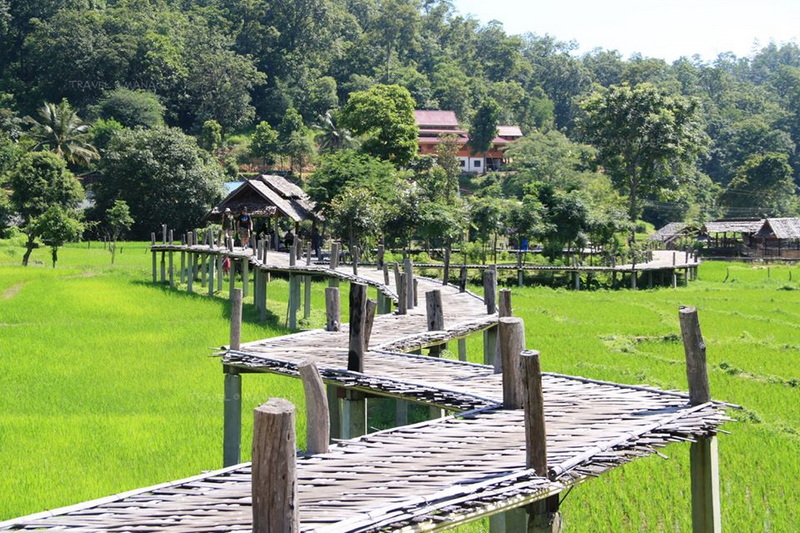
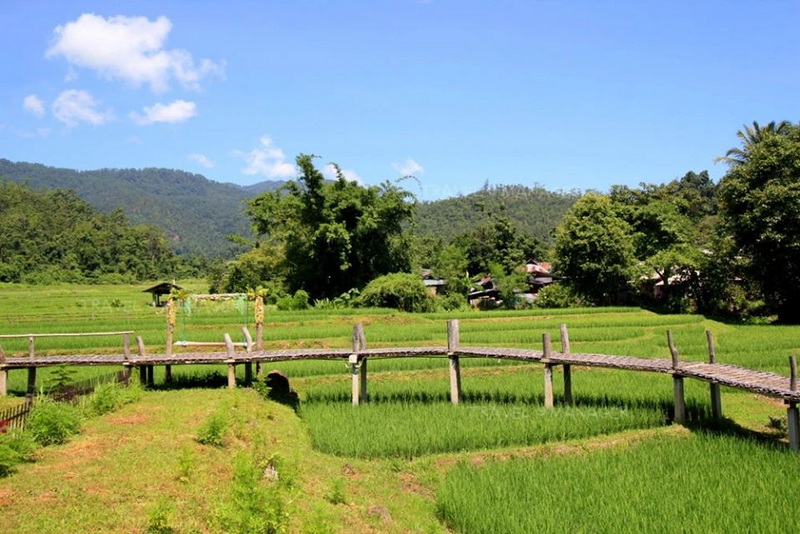
The appeal of Kho Kuu So Bridge in Pai comes from its setting. Rather than presenting a large built attraction, the bamboo bridge leads visitors through an open rural environment where fields, hills, and changing light create much of the experience. The walk is generally more enjoyable when treated as a scenic pause, allowing time to observe the surroundings instead of rushing through for a photograph. Conditions can vary with weather and season, so sensible footwear and care on the bamboo surface are appropriate.
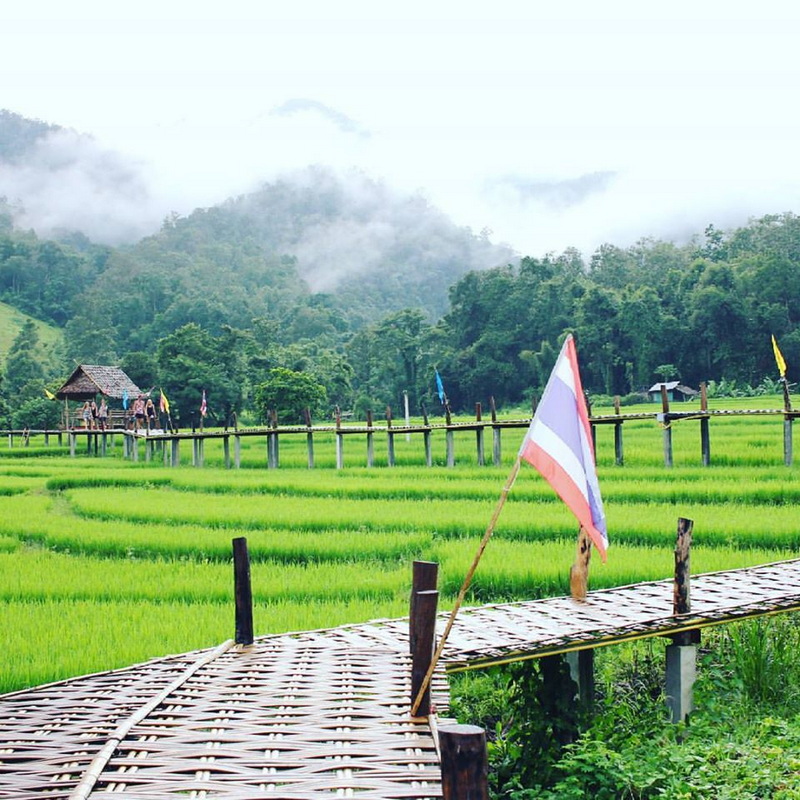
Pai is often used as a natural transition point between Chiang Mai and Mae Hong Son. Its surrounding countryside offers a different rhythm from the provincial capital, while the route onward continues through mountainous terrain and smaller communities. Including the bridge in a longer journey gives travelers a reason to spend time outside Pai’s central area. It also helps balance a multi-stop itinerary with a quiet landscape visit rather than filling every day with busy sightseeing.
A useful way to plan the stop is to decide what role it should play. It may be a short morning or afternoon visit within a Pai stay, a countryside detour arranged around other confirmed stops, or part of a private route where the driver can adapt the timing. The bridge should not be treated as a guaranteed substitute for a full Pai experience. Its value lies in complementing the destination, especially for visitors interested in rural scenery, photography, and a calmer side of the district.
Planning a combined journey from Chiang Mai
A Pai And Mae Hong Son Tour From Chiang Mai usually needs more time than a simple transfer because the two destinations offer different experiences and are separated by winding mountain roads. Pai is associated with valley landscapes, viewpoints, cafés, and relaxed countryside exploration, while Mae Hong Son provides access to a quieter provincial setting and a broader regional route. A combined plan works best when travelers accept that transport between stops is part of the journey, not merely empty time between attractions.
Before choosing an itinerary, consider the number of nights available, tolerance for long road sections, and the type of accommodation preferred. A compact schedule may cover the main route but leave little flexibility for weather, traffic, rest breaks, or spontaneous village and landscape stops. A longer arrangement allows the bridge and other Pai-area locations to be visited without compressing every activity into one day. It can also make the transition toward Mae Hong Son less tiring for travelers who are sensitive to winding roads.
Combined tours can be structured in several ways. Some travelers may prefer a small-group route with a planned sequence of destinations, while others may look for a private vehicle and a more adaptable pace. A driver-led arrangement can be useful when the main priority is connecting several places without managing mountain roads independently. Travelers should ask whether the proposed route includes actual sightseeing time in both Pai and Mae Hong Son, or whether one destination is only being used as a brief pass-through.
It is also important to distinguish a multi-day route from a day-trip expectation. The distance and road conditions make a rushed loop less suitable for people who want to appreciate the countryside. Ask for a clear outline of overnight locations, estimated driving periods, opportunities for rest, and what happens if rain or road conditions affect the plan. Exact timing may change, but a transparent planning conversation helps prevent a scenic itinerary from becoming an exhausting transport schedule.
Two Pai landscapes to place around the bridge
Once the wider route is realistic, the Pai portion can be shaped around complementary landscapes rather than a crowded checklist. These two nearby options offer useful contrasts, although each should be included only when travel time and conditions allow.
Pai Canyon
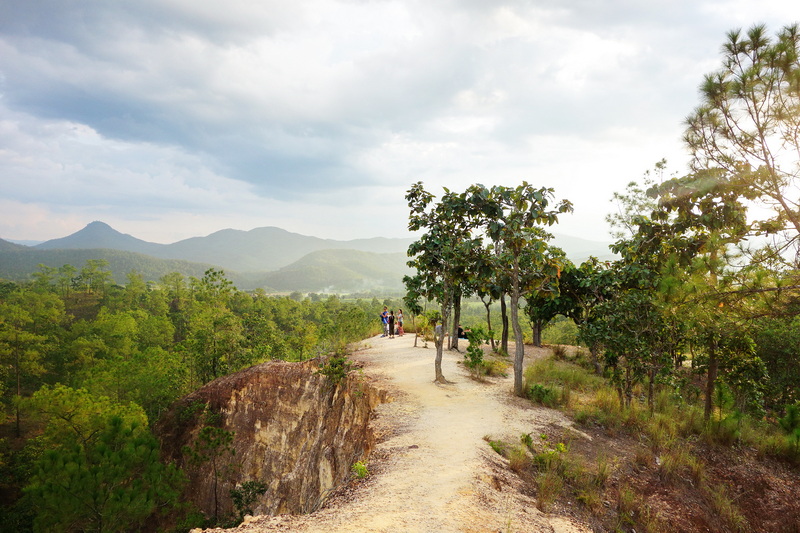
Pai Canyon can provide a contrasting landscape experience after the cultivated surroundings of the bamboo bridge. Its narrow ridges and elevated views reveal the dry, layered character of the Pai countryside, particularly when the light is soft. Paths along the ridges may be uneven, exposed, or narrow in places, so visitors should stay within comfortable areas, wear suitable shoes, and avoid standing close to unstable edges. The attraction is better approached as a viewpoint landscape than as a place to hurry through.
When adding Pai Canyon to a combined itinerary, consider the time of day, heat, and the energy required for walking on uneven ground. A responsible visit also means leaving natural surfaces undisturbed and allowing other visitors space at viewpoints. The canyon and Kho Ku So Bamboo Bridge offer different impressions of Pai: one emphasizes elevated geological scenery, while the other highlights a greener rural setting. Pairing them can create variety without requiring a long list of unrelated stops.
Pam Bok Waterfall
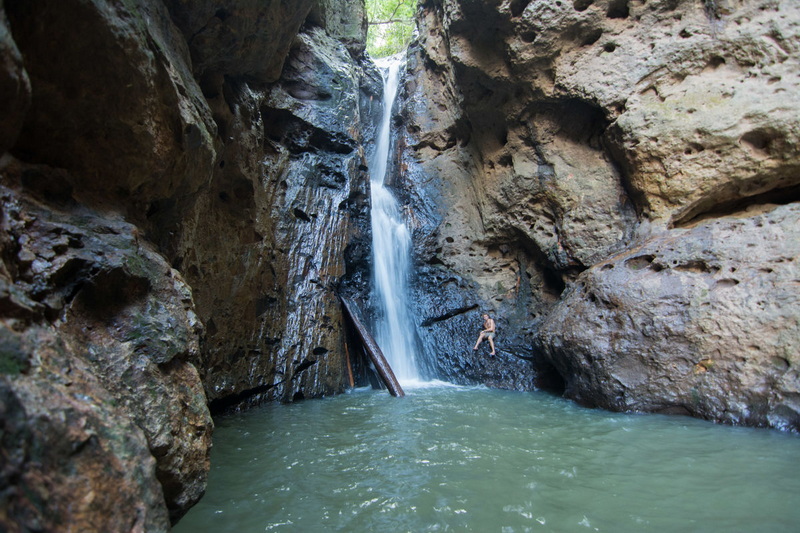
Pam Bok Waterfall is another possible Pai-area addition for travelers who enjoy natural settings. The waterfall sits in a narrow, rocky environment, and its appearance can change with rainfall and seasonal water levels. Visitors should follow local access guidance, take care on wet surfaces, and avoid entering water when conditions are unclear. Treating the site as a living part of the local environment helps preserve its appeal for residents and future travelers.
The waterfall may fit well into an itinerary that already includes the bridge because the two stops encourage different kinds of observation. Kho Kuu So Bamboo Bridge offers an open walk through countryside, while Pam Bok Waterfall brings visitors into a more enclosed landscape shaped by rock, shade, and flowing water. Whether both can be visited comfortably depends on the route, weather, opening conditions, and the amount of time reserved for travel. A good operator should explain those practical limits rather than promise an overly full day.
How to compare Tour Operators Chiang Mai services
When comparing Tour Operators Chiang Mai options, begin with the structure of the proposed journey rather than attractive wording. Ask whether the operator regularly arranges routes through Pai and Mae Hong Son, how much time is reserved for each destination, and whether the bridge is a genuine sightseeing stop or only a brief roadside addition. A clear answer should identify the transport style, overnight areas, expected road time, and practical limits without promising conditions that depend on weather or local access.
Independent travelers may also compare group and private arrangements according to comfort, flexibility, and communication. Request written information about meeting points, vehicle expectations, luggage arrangements, and how changes are handled if roads or attractions become difficult to access. It is reasonable to check whether the operator encourages respectful conduct around farms, temples, villages, and natural areas. Choosing a service that communicates carefully can make a combined route easier to manage without turning local communities into backdrops for a rushed itinerary.
Making the route work for your travel style
The strongest combined itinerary is not necessarily the one with the greatest number of stops. It is the one that leaves enough time to experience Pai, connect onward to Mae Hong Son, and respond sensibly to mountain travel, weather, and local conditions. Use the bridge as a calm countryside element, compare the role of nearby landscapes, and ask operators clear questions before booking. With realistic timing and respectful behavior, a Pai and Mae Hong Son journey can feel connected rather than hurried.



No comments:
Post a Comment