Mae Ping National Park Guide for Chiang Mai Travel Packages
A practical nature-planning guide for package travelers exploring Lamphun’s forested landscapes
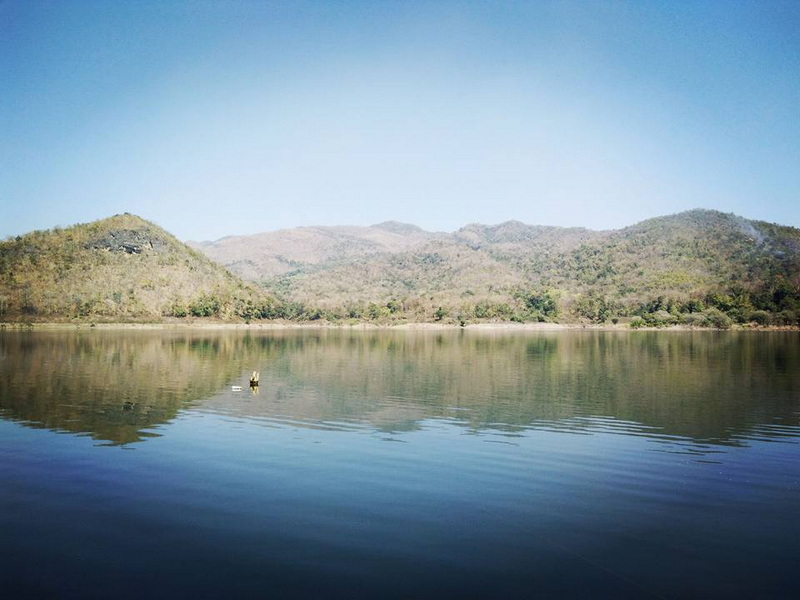
Mae Ping National Park offers a quieter northern Thailand experience for travelers who want forests, mountain scenery, and time outdoors rather than a tightly packed sightseeing schedule. Located in Li District, Lamphun, the park protects a broad natural landscape shaped by upland woodland, streams, valleys, and the Mae Ping River system. Its scale and rural setting mean that a visit is best approached with realistic expectations: this is a nature destination where conditions, access, and available activities can vary. For international visitors, a Chiang Mai-based travel package can simplify the planning process, particularly when the park is one part of a wider northern Thailand journey. The most useful packages are those that explain the travel time, clarify which park areas are included, and leave enough space for short walks, viewpoints, or quiet observation. This guide focuses on how to assess that kind of arrangement and what to notice once you arrive. Whether it is described as Mae Ping, Maeping National Park, or Mae Ping National Park Thailand, the destination rewards preparation. Understanding the setting, seasonal differences, walking expectations, and responsible-visitor principles can make a package visit more comfortable and more meaningful.
Understand the Park’s Setting Before You Go
Mae Ping National Park lies in Li District, Lamphun, in a part of northern Thailand known for extensive forest landscapes and low-density rural surroundings. The park is associated with the Mae Ping River and includes hills, woodland, waterways, and open areas shaped by seasonal weather. Rather than feeling like a single compact attraction, it is better understood as a large protected environment with different points of interest and changing conditions across the year.
This setting matters when reviewing a package description. A short stop may provide a scenic overview or a brief nature walk, while a longer park visit can allow more time for landscape observation and a slower appreciation of the forest. The exact experience depends on the route selected by the operator, current local conditions, and which areas are open or practical to visit on the day.
Among National Parks In Northern Thailand, Mae Ping stands out for travelers interested in broad natural scenery and a less urban atmosphere. Visitors should not expect every part of the park to offer the same facilities or level of accessibility. A practical mindset is to value the overall environment rather than build the visit around one guaranteed sighting, waterfall, or activity.
Choose a Package That Explains the Nature Experience
Chiang Mai Travel Packages connected with Mae Ping may suit travelers who prefer an organized framework for reaching a remote or less familiar destination. Package formats can differ widely. Some may place the park within a wider regional day of sightseeing, while others may give the protected area greater emphasis. Since specific inclusions are not universal, travelers should read the description carefully and ask questions before confirming a booking.
Useful questions concern the amount of time allocated inside the park, the type of walking involved, the meeting point, and how the plan responds to weather or temporary access changes. It is also sensible to ask whether meals, entrance arrangements, guides, or other services are included rather than assuming they are. Clear answers help prevent a mismatch between a relaxed nature outing and an itinerary designed mainly for passing views.
A suitable package should also communicate the physical character of the visit. Travelers may encounter uneven ground, heat, insects, limited shade, or stretches without convenient services. These are normal considerations for a protected forest area, not reasons to avoid the park. However, knowing them in advance allows visitors to select suitable footwear, clothing, water arrangements, and personal medication.
For first-time visitors, the strongest sign of a responsible operator is not a promise of an extraordinary encounter. It is clear communication, respect for park rules, and sensible handling of changing conditions. A package that leaves room for observation is often more rewarding than one that treats the park as a quick photo stop.
What Package Travelers Can Notice in the Park
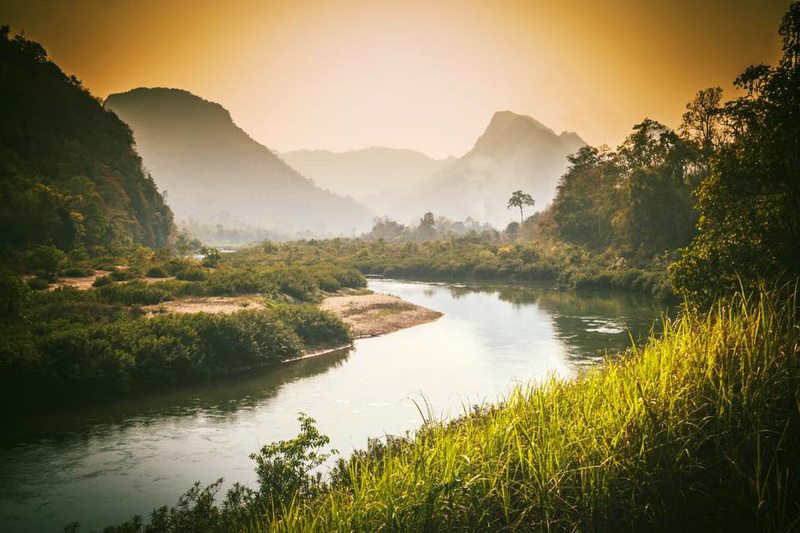
The appeal of Mae Ping is often found in the relationship between forest, water, and terrain. Depending on the selected area and season, visitors may see dry or mixed deciduous woodland, rocky slopes, river scenery, and vegetation responding to the yearly rainfall cycle. The landscape can look markedly different after the rains compared with the drier months, so photographs and descriptions from another season may not precisely match conditions during your visit.
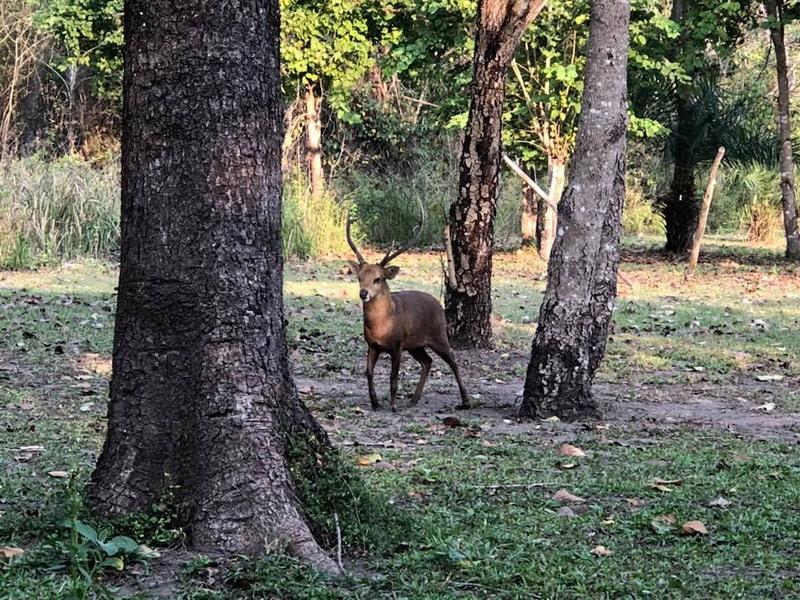
Short walks and viewing areas can provide an accessible introduction to the park. Look for changes in plant cover, exposed rock, bird calls, insect activity, and the way sunlight moves through the canopy. Quiet attention is more useful than rushing from one point to another. Wildlife belongs in the background of the experience: sightings are possible in a protected forest, but they are never something a responsible guide should guarantee.
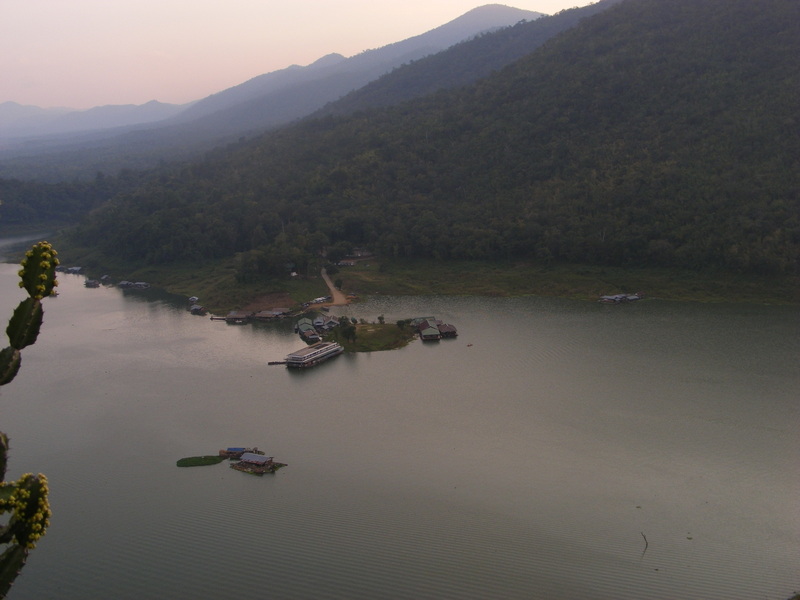
Water-related scenery may be especially attractive where the route passes streams, river edges, or reservoir views. Visitors should follow local instructions around wet rocks, steep edges, and changing water levels. A scenic location is not automatically a safe swimming area, and package travelers should avoid entering water unless the park and guide clearly permit it.
The park can also be valuable for travelers who simply want a break from built-up environments. Forest sounds, distant ridgelines, and open views create a different rhythm from city sightseeing. Even a relatively brief visit can feel substantial when the schedule allows time to pause, listen, and observe rather than focusing only on collecting photographs.
Plan for Comfort Without Overplanning
A useful Mae Ping National Park Travel Guide should begin with practical preparation. Wear secure shoes with soles suited to uneven paths, choose light clothing that covers the skin comfortably, and carry sun protection and sufficient drinking water according to the package guidance. A small day bag is easier to manage than heavy luggage, especially if the visit includes walking or several changes of location.
Weather deserves particular attention. Northern Thailand can be hot, while rain can make trails or roadside areas slippery and can alter the feel of a river landscape. Smoke and haze may also affect visibility during parts of the dry season, although conditions vary. Check the current forecast and any park notices before departure, and accept that a responsible itinerary may change when safety or conservation requires it.
Travelers should tell their guide about mobility limits, health concerns, dietary needs, or other requirements before the outing begins. A package cannot remove every physical challenge, but advance communication may help the group choose realistic stopping points. Parents and older travelers in particular may prefer a plan that emphasizes viewpoints and gentle exploration rather than a demanding walk.
Keep expectations flexible. A route may be shortened, a viewpoint may be hazy, or a natural feature may look different from promotional images. These changes do not necessarily reduce the value of the visit. The park’s appeal is spread across its living landscape, and a calm response to uncertainty is part of traveling well in a protected area.
Travel Responsibly in Mae Ping
Responsible behavior protects both the park and the quality of future visits. Stay on permitted paths, follow signs and staff instructions, and take rubbish away when disposal facilities are not available. Avoid collecting plants, rocks, shells, or other natural materials. Do not feed animals, play loud music, or approach wildlife for photographs. These simple choices reduce disturbance and help preserve the character that package travelers come to experience.
Respect for local communities is equally important. The park exists within a wider regional setting where people live and work, so visitors should avoid treating rural places as scenery without context. Follow guidance about photography, behave thoughtfully at any local or religious site included in a route, and do not assume that a community or cultural practice is available for tourist display.
A considerate visitor also supports good group habits. Listen to the guide, keep the group’s meeting times in mind, and allow other visitors space at viewpoints. If your package includes a local guide, their knowledge of current conditions can be more valuable than a fixed online description. Asking respectful questions about the landscape is a good way to learn without expecting private information or unverified stories.
For travelers comparing National Parks In Northern Thailand, Mae Ping offers a strong lesson in patience. Its rewards are not limited to a famous landmark. They include the chance to see how forest, water, weather, and human care shape a protected landscape over time.
A Last Look at the Journey
Mae Ping National Park is a rewarding choice for travelers who want natural space and a slower pace within a Chiang Mai-centered trip. The best package is one that explains its route clearly, allows realistic time in the park, and respects changing weather and conservation needs. Prepare for uneven outdoor conditions, remain flexible about what you may see, and give attention to the forest rather than chasing guarantees. With those expectations, a visit to Mae Ping can add a calm, grounded nature experience to a wider exploration of Lamphun and northern Thailand.



No comments:
Post a Comment