Wat Chaloem Phra Kiat and the Work of Sacred Place
A cultural guide to religious meaning, local stewardship, and thoughtful travel in Chae Hom District, Lampang
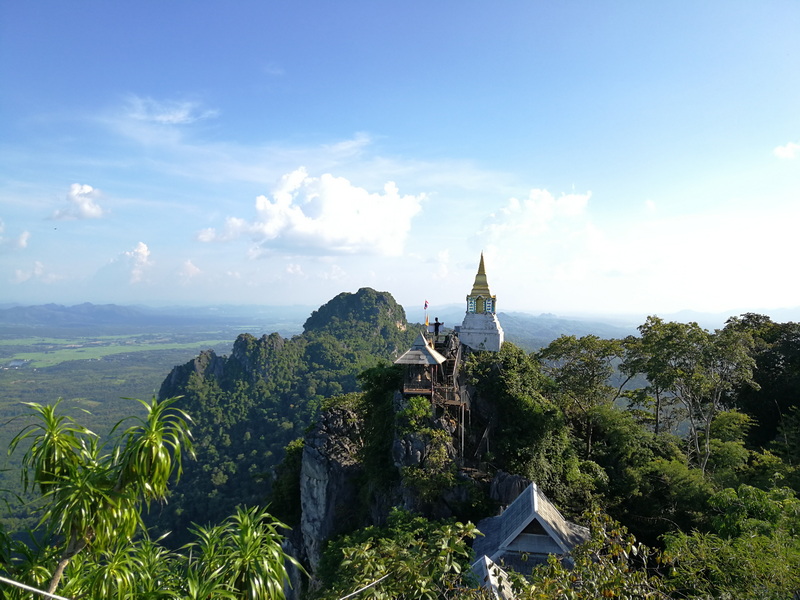
What makes a temple significant when its setting attracts immediate attention? At Wat Chaloem Phra Kiat, the question matters because the elevated religious site is closely associated with distinctive structures and a dramatic natural environment. A visitor may first notice the temple’s position among limestone formations, but the more useful way to understand it is to ask what allows a sacred place to endure: dedication, Buddhist practice, skilled construction, shared care, and an ongoing relationship with the surrounding land. Located in Chae Hom District, Lampang, the temple offers a focused lesson in how religious meaning is expressed through both built form and place. Its formal name, Wat Chaloem Phra Kiat Phrachomklao Rachanusorn, also signals that commemoration is part of its identity, although the site should not be reduced to a name or a viewpoint. This perspective is useful for travelers comparing Important Temples in The North of Thailand. It also gives Chiang Mai Travel Packages a wider cultural context, since northern travel can include places where faith, landscape, and community responsibility meet without turning a sacred site into a simple checklist stop.
A Sacred Site Is Also a Shared Project
The first way to read Wat Chaloem Phra Kiat is through the effort required to establish and maintain a religious place. Temples are not only collections of buildings. They depend on acts of support, skilled work, devotional attention, and repeated care over time. Even when a visitor knows little about the people behind a site, the existence of a functioning temple points toward a community of religious and practical relationships.
This approach shifts attention away from asking whether the temple is impressive enough to visit. A better question is what the site communicates about collective commitment. Structures placed on high ground require planning and care, while religious images and architectural details require craft and intention. The visible result is therefore connected to work that is less immediately visible. Considering that relationship helps visitors approach Chaloem Phra Kiat Temple with appreciation rather than treating it as a background for photographs.
The temple’s commemorative name adds another layer. Wat Chaloem Phra Kiat is also known as Wat Chaloem Phra Kiat Phrachomklao Rachanusorn, and the name places remembrance within the temple’s public identity. That does not replace its religious purpose. Instead, it suggests how devotion, memory, and institutional support can occupy the same cultural space. A careful visitor can acknowledge this commemorative dimension while allowing Buddhist practice to remain central.
What the Buildings Ask Visitors to Notice
Religious architecture communicates through arrangement, proportion, symbols, and use. At Wat Chaloem Phra Kiat, the chedis and Buddha images are important not simply because they are visible from a distance, but because they belong to a setting organized around Buddhist meaning. Their presence invites attention to reverence, merit, remembrance, and the relationship between physical structures and spiritual practice.
The site can therefore be read at two speeds. A quick glance registers the unusual placement of religious architecture within a rugged landscape. A slower visit considers why such forms are present and what kind of attention they request. The second response is more appropriate to a sacred place. It allows visual interest to remain, but it does not let scenery become the only subject.
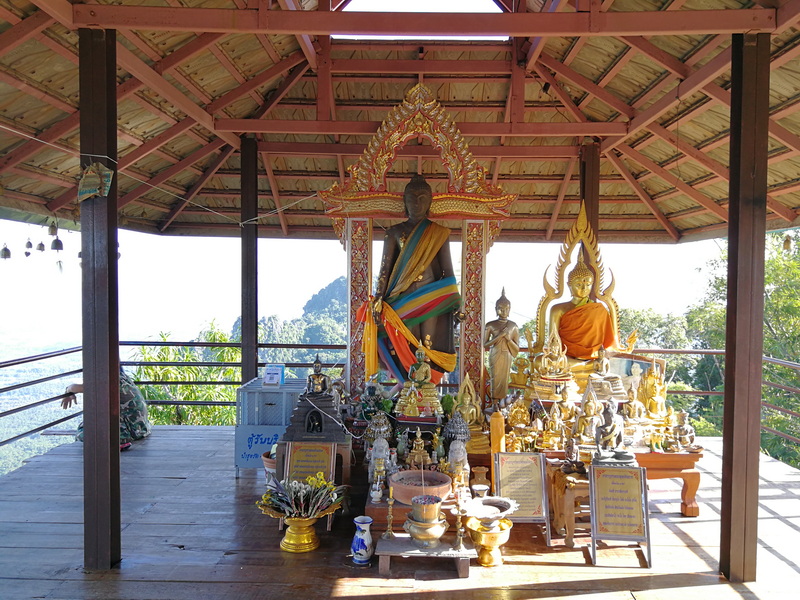
This distinction is especially helpful when using the spelling Wat Chaloemprakiat or the variation Wat Chalermprakiat in travel research. Different forms may lead readers to the same cultural destination, but the name should not become a substitute for learning about the site. Search terms are practical tools; the temple itself deserves a more patient interpretation.
The Landscape Requires More Than Admiration
The elevated setting gives Wat Chaloem Phra Kiat a strong visual character, yet the surrounding terrain should be understood as part of the site’s responsibility as well as its appearance. Limestone formations, slopes, and open views shape how the temple is encountered. They also remind visitors that religious places occupy real environments that require protection, maintenance, and restraint.
Landscape stewardship is not an abstract addition to the temple’s story. Paths, structures, vegetation, and natural surfaces all influence how people move and pause. The continued presence of a sacred site in such terrain depends on balancing human use with care for the setting. Visitors contribute to that balance through their conduct: moving attentively, avoiding careless treatment of the surroundings, and recognizing that the land is not merely a stage for personal experience.
This is a different way to understand the relationship between architecture and nature. The question is not whether one is more important than the other. Rather, the temple shows how religious meaning can be shaped by a particular landscape while also requiring people to take responsibility for their effects on it. That relationship gives the site cultural depth without needing exaggerated claims.
Why It Belongs in a Wider Northern Conversation
Wat Chaloem Phra Kiat has a clear place in discussions of Important Temples in The North of Thailand because it demonstrates how northern religious heritage can be encountered through setting, construction, commemoration, and practice together. Its value does not depend on ranking it above other temples. Each sacred site has its own history and visual language; this one invites particular attention to the way a religious destination is integrated with elevated terrain.

For travelers considering Chiang Mai Travel Packages, the temple also illustrates why northern routes should not be understood only through major urban centers. Cultural travel becomes more meaningful when it recognizes districts and communities whose heritage is expressed through local religious places. Wat Chaloemprakiat Lampang can serve as a point of comparison within that broader regional picture, especially for visitors interested in how belief is connected to geography.
The alternative name Chaloem Phra Kiat Temple Lampang may appear in travel material, while Chaloemprakiat Temple and Chaloem Phra Kiat Temple Lampang are also useful search variations. Regardless of spelling, the central interpretive task remains the same: learn to distinguish the temple’s religious purpose from the visual drama of its location. That distinction creates a more respectful and better-informed cultural experience.
Attention Is Part of the Visit
A thoughtful visit begins by accepting that a temple is not arranged solely for sightseeing. Religious images, chedis, and other elements may carry meanings that are not immediately explained to every traveler. Instead of assuming that every feature is decorative, visitors can observe quietly and remain open to the possibility that the site’s importance is shaped by beliefs and practices beyond their own experience.
The same principle applies to photography and conversation. The supplied information does not establish particular operational rules, so visitors should follow the guidance present at the site and respond with ordinary courtesy. Modest behavior, awareness of worshippers, and care around religious objects are sensible expressions of respect. These actions do not require specialized knowledge; they require recognizing that the temple remains a sacred environment while it is being visited by travelers.
This perspective also prevents a common misunderstanding. A memorable landscape can invite excitement, but excitement should not erase context. The most valuable response may be a combination of curiosity and restraint: look closely, learn what can be learned, and allow the place to retain meanings that are not immediately visible.
Nearby Attractions
Dhanabadee Ceramic Museum

Dhanabadee Ceramic Museum provides a concise cultural complement for visitors interested in how objects carry knowledge across generations. Its museum setting directs attention toward ceramic production and learning, offering a different kind of encounter from the religious environment of Wat Chaloem Phra Kiat. It is best treated as a separate educational experience rather than as an explanation of the temple itself.
Horse Carriage in Lampang
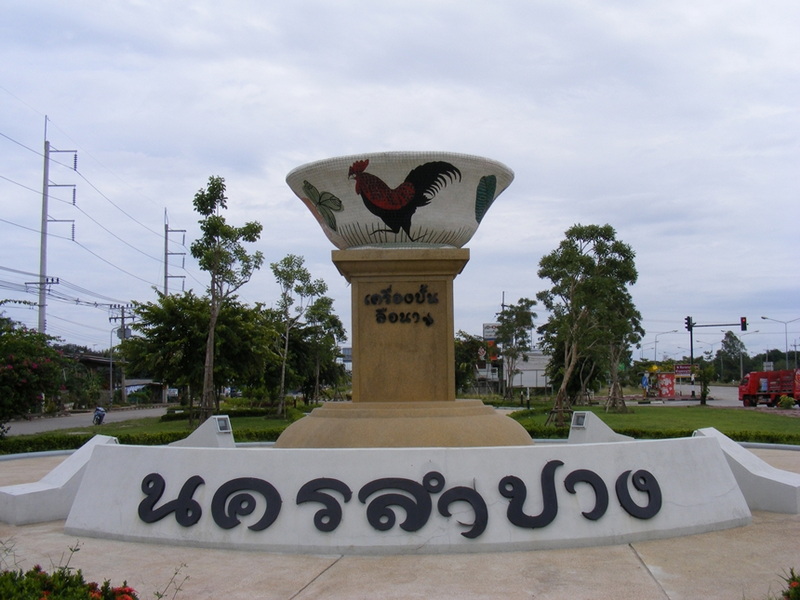
Horse Carriage in Lampang offers a way to notice everyday movement and the continuing cultural associations of transport in the province. This experience can broaden a traveler’s understanding of local life, but it should remain a concise supporting context beside the temple’s religious significance. The two experiences answer different cultural questions and need not be combined into one theme.

A Last Look at the Journey
Wat Chaloem Phra Kiat is easiest to misunderstand when its setting becomes the whole story. Its elevated architecture may draw the eye first, but the deeper reading begins with the relationships behind the site: religious dedication, commemorative purpose, skilled work, community care, and responsibility toward the land. Visitors do not need to force a grand conclusion onto the temple. They can simply give its sacred function priority over visual spectacle, then allow the landscape to deepen that understanding. In this way, Wat Chaloemprakiat becomes not just a destination to observe, but a place to approach with attention, humility, and informed curiosity.



No comments:
Post a Comment