Chiang Mai Monkey School Guide for Zoos and Tours
A practical Mae Rim visit plan with animal attractions, transport considerations, and responsible tourism advice
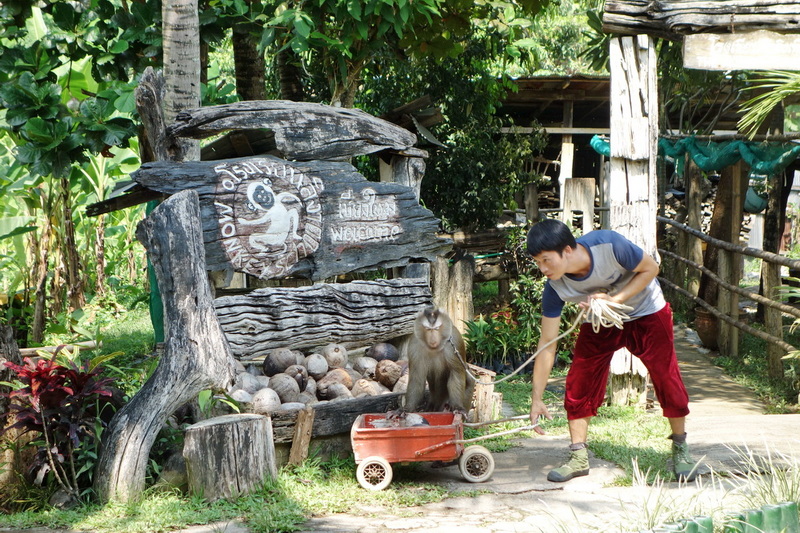
For travelers comparing animal attractions beyond the city center, Chiang Mai Monkey School offers a distinctive stop in Mae Rim District, Chiang Mai. The experience is generally associated with trained-monkey demonstrations and an educational look at how animals may respond to carefully guided routines. It is best approached as one component of a wider day of sightseeing rather than as an attraction to rush through between unrelated stops. This Chiang Mai Monkey School Travel Guide focuses on useful planning questions: what visitors may encounter, how to think about transport, and how to combine the visit with other animal-focused venues. Details such as opening times, demonstrations, admission arrangements, and transport availability can change, so travelers should confirm current information before setting out. The same principle applies to Chiang Mai tours, especially itineraries that include several Mae Rim attractions. The area presents an opportunity to compare different forms of wildlife education and observation. A thoughtful visit should place animal welfare first, respect staff instructions, and avoid treating animals or local communities as spectacles. With realistic expectations and a flexible plan, travelers can make a more informed choice about whether the Monkey School suits their interests.
What to Expect at Chiang Mai Monkey School
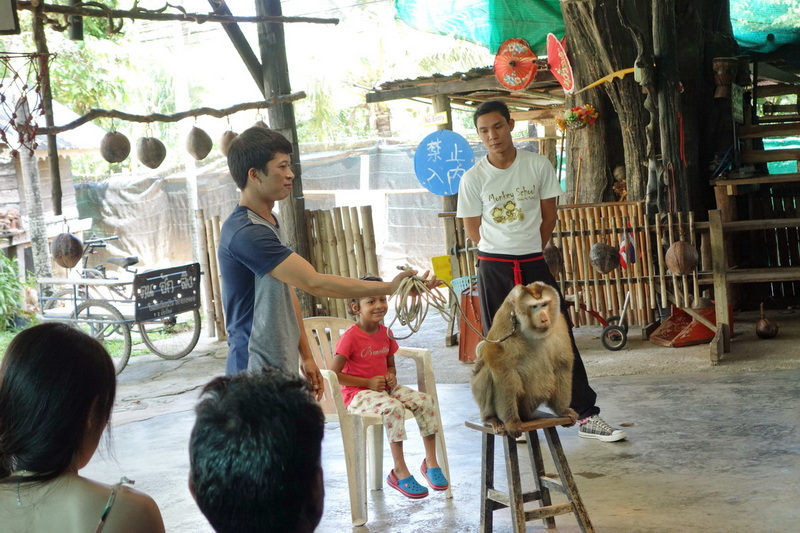
The name Chiang Mai Monkey School can make the attraction sound like a conventional zoo, but visitors should think of it more as an animal-focused tourism experience built around demonstrations, training, and observation. The exact presentation may vary, and the program available on a particular day should be checked directly. Travelers may see monkeys responding to cues or participating in routines that illustrate their learned abilities, rather than encountering a free-ranging wildlife environment.
That distinction matters when setting expectations. This is not a substitute for observing wild primates in a protected habitat, and it should not be described as a natural forest experience. Instead, the interest lies in seeing how animals interact with handlers and how a visitor attraction presents animal behavior to the public. The educational value depends greatly on the quality of care, the conditions provided, and the way demonstrations are conducted.
Visitors should follow staff guidance about distance, photography, food, and physical contact. Avoid touching animals unless an attendant clearly permits it, and never offer food independently. Quiet observation is usually more respectful than calling out, chasing, or attempting to provoke a reaction. Families can help children understand that the monkeys are living animals, not entertainers available on demand.
A visit may be most rewarding for travelers who are curious about animal behavior and willing to observe critically. Look for clear handling practices, adequate rest between activities, clean and appropriate surroundings, and signs that the animals are not being pressured. If a situation appears stressful, visitors can choose not to participate in close-contact activities and can raise concerns respectfully with staff.
Planning a Mae Rim Outing
Chiang Mai Monkey School Mae Rim is outside the most concentrated sightseeing area of Chiang Mai, so transport deserves attention before departure. A private car, hired driver, taxi arrangement, or organized excursion may be more practical than relying on several unplanned connections. Travelers using app-based or local transport should consider how they will return, particularly if the attraction is combined with other places along the Mae Rim route.
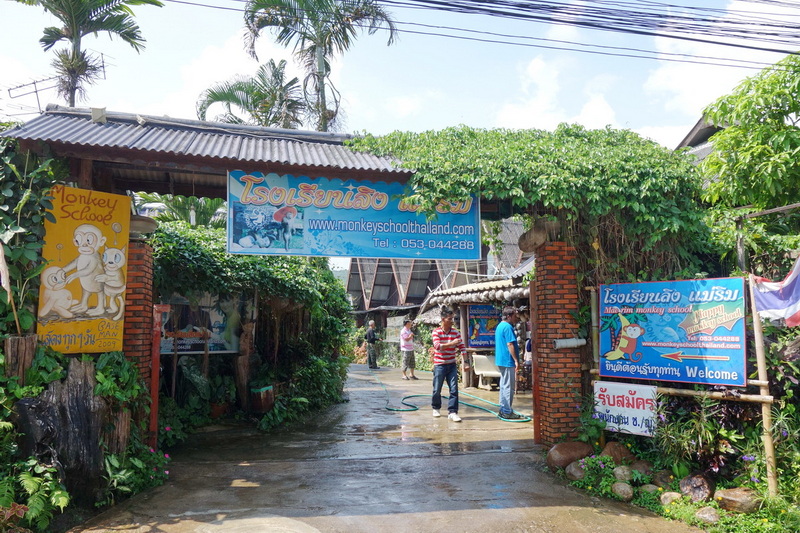
Before leaving, confirm the current location, operating hours, demonstration times if published, admission process, and whether visitors need to arrange anything in advance. These details are especially important during holidays, periods of heavy rain, or quieter travel seasons when programs may be adjusted. A map pin alone does not guarantee that a driver will understand the exact entrance, so saving the attraction name and location in Thai can be helpful.
Allow more time than the presentation itself may seem to require. Road conditions, traffic leaving Chiang Mai, parking, ticket arrangements, and movement between attractions can all affect the day. A flexible schedule is safer than booking a tightly timed appointment immediately afterward. Carry water, sun protection, and comfortable footwear, while keeping valuables secure and following any restrictions on bags or photography.
For budget-conscious travelers, compare the total cost and convenience of independent transport with a group or private tour. A low headline price may not reflect waiting time or return transport, while a more expensive arrangement may simplify a multi-stop itinerary. Ask what is included before agreeing to a tour, and avoid assuming that every advertised Chiang Mai Monkey Show has the same duration, animal-care standards, or visitor facilities.
How to Think About Zoos in Chiang Mai
Travelers searching for Zoos in Chiang Mai will find a broad mix of places rather than one uniform category. Some venues emphasize large collections of animals, some focus on insects or plants, and others present scheduled demonstrations or close observation. Comparing them by purpose is more useful than choosing only by popularity. Consider whether the priority is education, photography, family entertainment, conservation messaging, or seeing a particular type of animal.
The Monkey School belongs in the animal-attraction part of that comparison. It may appeal to visitors interested in trained behavior and a focused presentation, while a larger zoo-style venue may offer more variety and require substantially more walking. Neither format automatically provides a better experience for every traveler. Read current visitor information carefully and consider how the attraction describes its animal-care practices.
A responsible visitor should also examine the role of interaction. Encounters that involve feeding, touching, riding, or posing can create welfare concerns when they are poorly managed. Travelers do not need to participate in every available activity. Choosing observation, declining intrusive photographs, and supporting places that communicate transparent care policies can help encourage more respectful tourism.
When planning a family day, discuss these choices before arrival. Children often enjoy watching movement and learning animal facts, but they may not understand why a monkey should not be approached or teased. Adults can model calm behavior, keep voices low, and explain that a good attraction allows animals appropriate rest and space. This turns the outing into a lesson in responsibility as well as entertainment.
Choosing Between Independent Travel and Chiangmai Tours
Chiangmai Tours can be useful when visitors want transport, route planning, and several Mae Rim stops handled together. A tour may reduce uncertainty for first-time visitors, especially when language, navigation, or return transport is a concern. The trade-off is less control over how long to stay and which activities to join. Ask whether the itinerary allows meaningful time at each stop rather than measuring value by the number of attractions listed.
Independent travel suits people who prefer a slower pace or who want to decide on the day whether the Monkey School feels appropriate. It can also make it easier to skip an activity that raises welfare concerns. However, independent visitors should still research the route, arrange a reliable return option, and leave room for delays. A flexible self-guided plan is not the same as arriving without any preparation.
When reviewing an excursion, check the wording used to describe the attraction. Responsible operators should be willing to explain what visitors will see, whether animal contact is involved, and how they respond to welfare questions. Be cautious of promises that guarantee dramatic animal behavior or encourage visitors to treat living creatures as props. The best tour information sets expectations without sensationalizing the animals.
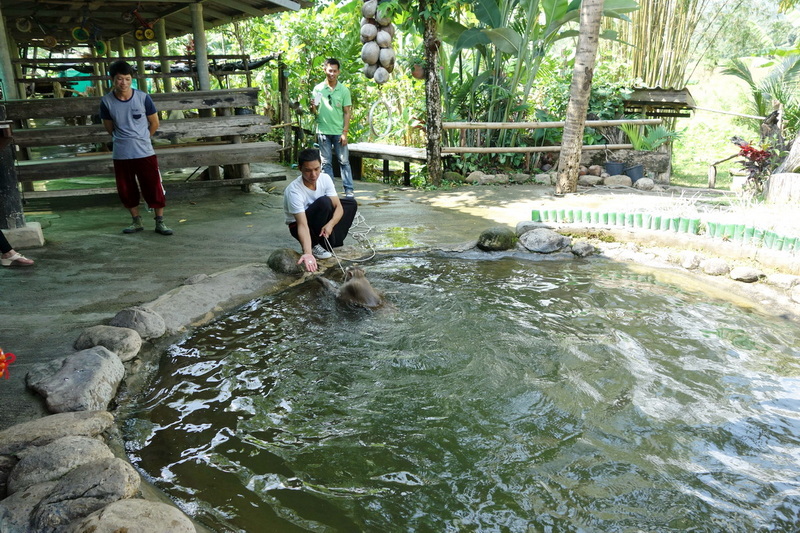
A sensible Mae Rim itinerary usually avoids packing too many distant attractions into one day. Choose a small number of stops that match your interests, allow time for meals and transport, and confirm the order with the driver or guide. If the Monkey School is the main reason for the outing, place it at a time that accommodates its current program rather than treating it as an afterthought.
A Respectful Visitor Checklist
Before you Visit Monkey School, check current visitor information and decide what type of experience you are comfortable supporting. Read the rules at the entrance, listen to handlers, and keep a safe distance when requested. Do not use flash photography if it is prohibited, do not feed animals without explicit permission, and do not bring food into an enclosure or performance area unless staff allow it.
Observe the animals’ body language as well as the presentation. Repeated avoidance, agitation, or signs of fatigue deserve attention, although casual visitors should not make confident welfare judgments from a single moment. If something concerns you, ask a polite question or choose not to participate. Avoid posting misleading captions that suggest a captive animal is behaving naturally in a wild setting.
Respect the people who work at the attraction and the wider Mae Rim community. Keep noise and litter under control, follow local customs, and remember that staff may be managing animals, visitors, and safety at the same time. Responsible tourism is not only about taking photographs; it is also about making choices that reduce disturbance and support transparent, humane visitor experiences.
Finally, keep the day adaptable. Weather, traffic, animal welfare decisions, and operational changes can affect the schedule. If a demonstration is canceled or a planned activity is unavailable, the trip can still be worthwhile if the itinerary is not built around unrealistic guarantees. A calm, observant approach usually produces a more comfortable experience for both visitors and animals.
Nearby Attractions
Siam Insect Zoo
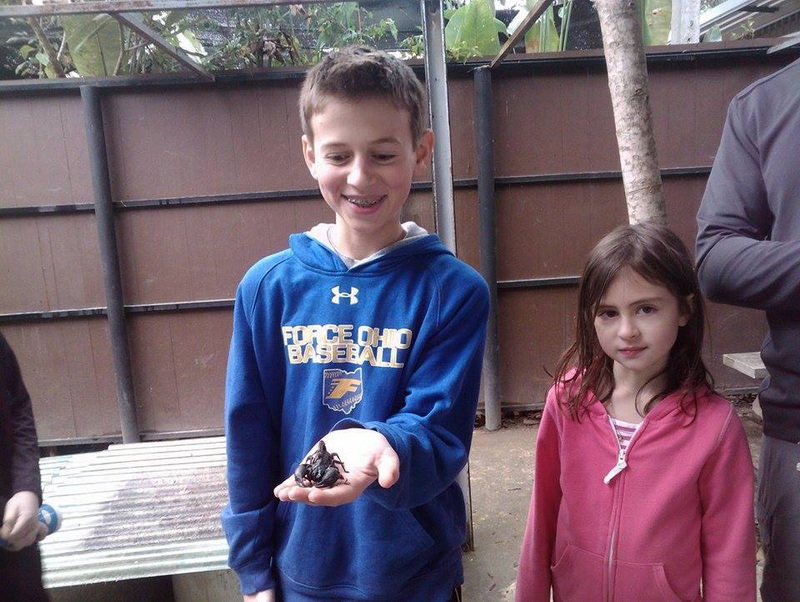
Siam Insect Zoo provides a contrasting animal-focused stop for travelers interested in smaller creatures and educational displays. Rather than repeating the Monkey School’s emphasis on primate behavior, it can broaden a Mae Rim outing with information about insects and other invertebrates. Check current exhibits, visitor rules, and operating details before traveling, since displays and arrangements may change.
This attraction may suit visitors who enjoy close observation and natural-history learning. Move carefully through display areas, avoid tapping containers or disturbing specimens, and supervise children around any interactive sections. Pairing the two venues works best when the schedule leaves enough time for each rather than treating Siam Insect Zoo as a rushed extra stop.
Tiger Kingdom Chiang Mai

Tiger Kingdom Chiang Mai is another well-known animal attraction in the Mae Rim area, but it presents a very different visitor experience from the Monkey School. Travelers considering both should research current policies, animal-care information, and the nature of any close-contact activity before making a decision. Participation is optional, and visitors should not feel pressured to pose with or touch animals.
A practical plan is to compare the educational purpose, interaction model, and welfare policies of each attraction. Allow for travel time between venues and confirm that the day’s schedule is realistic. Respect barriers and staff directions, never attempt to attract an animal’s attention, and choose observation when that better matches your comfort level.
A Last Look at the Journey
Chiang Mai Monkey School can fit naturally into a thoughtful Mae Rim itinerary when visitors understand that it is a focused animal presentation rather than a wildlife sanctuary or conventional zoo. Confirm current details, plan transport carefully, and leave enough time for a relaxed visit. Comparing it with Siam Insect Zoo or Tiger Kingdom Chiang Mai can help travelers choose experiences that match their interests and ethical boundaries. Most importantly, observe quietly, follow local instructions, and let animal welfare guide participation. With those habits, a day among the Zoos in Chiang Mai and related attractions can be informative without becoming rushed or exploitative.



No comments:
Post a Comment