Sai Ngam Hot Spring and Combined Pai and Mae Hong Son Touring
Plan a thoughtful journey from Chiang Mai through Pai’s warm forest pools and the wider attractions of Mae Hong Son Province
Mae Hong Son is best understood as a landscape of connected experiences rather than a single landmark. Mountain roads link Pai’s riverside setting, forested bathing places, rural communities, and the quieter provincial capital, creating a route with changing scenery and cultural character. Among these places, Sai Ngam Hot Spring offers a gentle pause: warm mineral water beneath trees, a natural setting, and time to slow down after traveling through the hills. For travelers considering a combined journey, the practical question is not simply whether to see one attraction, but how to arrange the route so that Pai and Mae Hong Son are given enough attention. A Pai And Mae Hong Son Tour From Chiang Mai may suit visitors who prefer one coordinated plan, while independent travelers can use the same regional logic to build a flexible itinerary. This article places Sai Ngam within that wider journey, explains what to expect at the spring, and considers how Mor Paeng Waterfall and Santichon Village add different perspectives nearby.
Reading the Landscape of Mae Hong Son
The province is known for winding mountain roads, forested valleys, rice-growing areas, and communities shaped by several cultural traditions. Its attractions are spread across a large area, so a route should be planned around travel time as well as sightseeing interests. Pai is often associated with relaxed cafés, walking areas, and countryside viewpoints, while Mae Hong Son town has a more subdued atmosphere and a strong connection to local temples, the lake area, and mountain scenery. The journey between these places is part of the attraction, although visitors should allow for bends, changing weather, and slower road conditions.
The most rewarding Mae Hong Son Attractions usually combine natural places with opportunities to understand local life. A hot spring provides a close encounter with the landscape, while a village visit can encourage respectful learning about food, architecture, farming, and community history. Waterfalls and forest walks contribute another layer without requiring every stop to have the same purpose. This variety makes the region suitable for travelers who want more than a checklist of viewpoints.
Sai Ngam is especially useful in a regional itinerary because it changes the pace. Rather than moving continuously between major stops, visitors can spend time in warm water, listen to the surrounding forest, and consider the geology that brings heated groundwater to the surface. The experience is simple, and that simplicity is part of its appeal.
Combining Pai and Mae Hong Son from Chiang Mai
A combined route from Chiang Mai normally requires more planning than a short excursion because the destinations are separated by mountainous roads and numerous curves. Travelers should compare the route length, vehicle comfort, overnight arrangements, and the amount of time reserved for each stop. A private vehicle or driver arrangement can offer greater control over pauses, while a shared or organized trip may reduce the work of coordinating navigation and accommodation. Exact inclusions vary, so the itinerary should be read carefully rather than assumed from its title.
When evaluating a Pai And Mae Hong Son Tour From Chiang Mai, look for a sensible regional sequence instead of an itinerary that lists too many attractions in one day. Sai Ngam can be placed with other Pai-area interests, while Mae Hong Son town and more distant points are better treated as a separate stage. Travelers who value bathing time should confirm that the schedule does not reduce the spring to a rushed photo stop. Those who are sensitive to winding roads may also prefer shorter driving segments and regular breaks.
Season, road conditions, and personal energy affect the experience. The cool season can bring busy periods at popular attractions, whereas wet weather may make roads and paths more slippery. A flexible plan is helpful, particularly when traveling with older companions or children. Comfortable clothing, drinking water, sun protection, and a towel or change of clothes are practical items for a spring visit, but visitors should also follow current local guidance regarding access and water conditions.
What to Expect at Sai Ngam
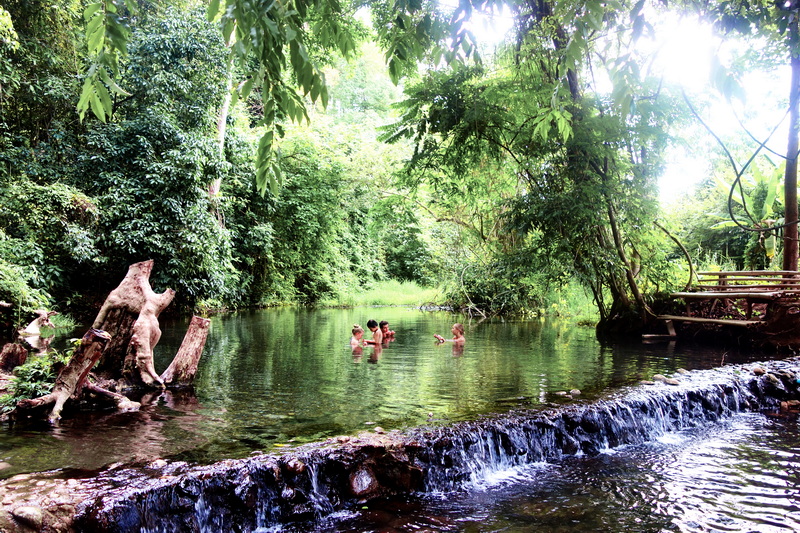
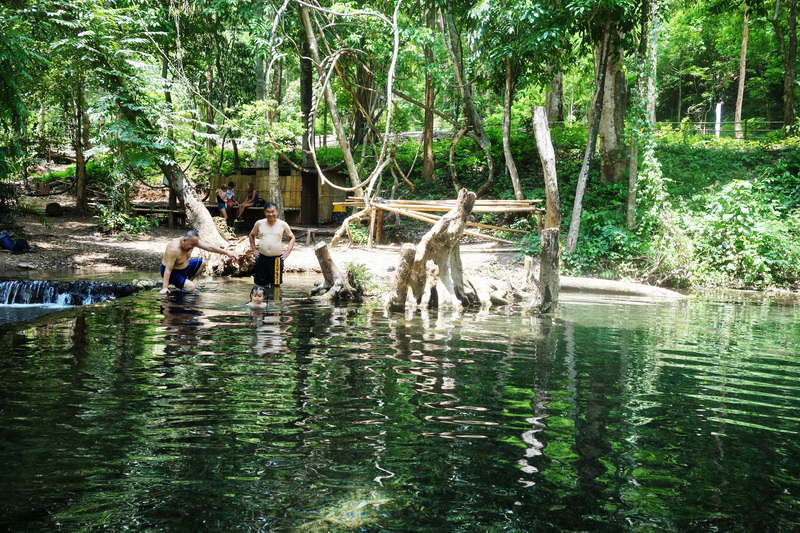
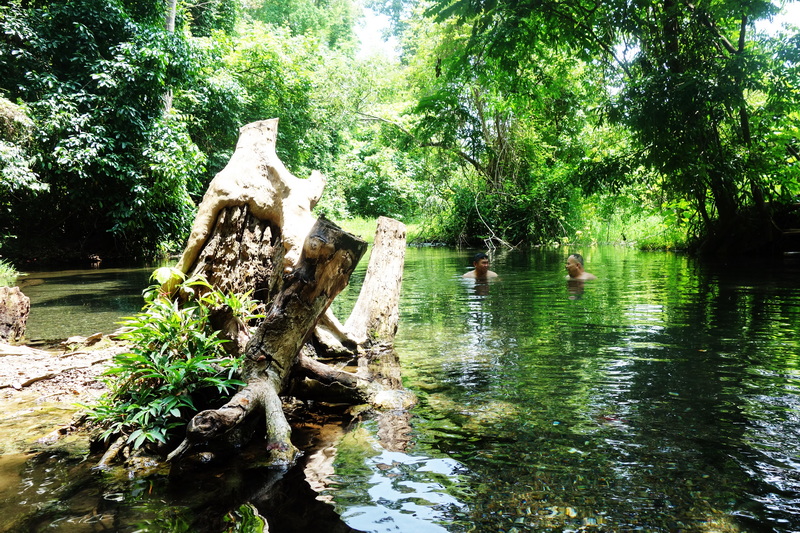
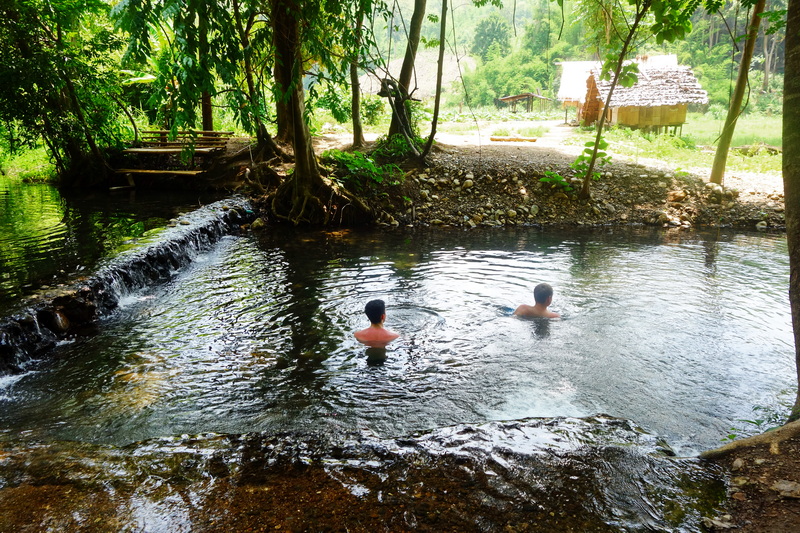
Sai Ngam Hot Spring, also described as Sai Ngam Natural Mineral Spring, is a forest-framed bathing place in Pai District, Mae Hong Son. Warm water gathers in natural-looking pools beneath a canopy of trees, giving the site a quieter character than a developed spa. Water temperature and conditions can vary, so visitors should test the water carefully and observe signs or instructions on arrival. The setting is more important than any promise of a particular therapeutic result.
Many people visit hot springs for relaxation, and mineral-rich water is traditionally associated with bathing and wellness. It is more accurate to describe the experience as soothing rather than to claim that it cures medical conditions. Anyone with a health concern, pregnancy, heart condition, or sensitivity to heat should seek appropriate medical advice before soaking. Shorter bathing periods, pauses in the shade, and regular hydration are sensible for most visitors.
A Visit Sai Ngam Mineral Spring is also an opportunity to practice low-impact tourism. Keep voices moderate, avoid bringing food into the bathing area unless permitted, and do not use soap or shampoo in natural pools. Follow changing-room rules, wear suitable swimwear, and respect other bathers’ privacy. Do not remove stones, plants, or other natural materials. If the water or paths appear crowded, waiting patiently can be more considerate than trying to claim a particular pool.
The best time at the spring depends on the atmosphere a traveler wants, but no single hour should be treated as guaranteed to be quiet. Early planning can help avoid the busiest periods, while weather should always be considered. The forest may feel cool outside the water and warm inside it, so a light layer for leaving the spring is useful. Visitors should check current opening information locally because access arrangements and conservation measures can change.
Natural Wellness and Cultural Awareness
A hot spring can seem entirely natural, yet every visitor site depends on paths, water management, waste collection, and local decisions about conservation. Staying on designated routes helps protect vegetation and reduces erosion around wet ground. Refillable water bottles, reusable bags, and careful disposal of rubbish are small choices that matter in a mountain environment. Travelers should also avoid loud music and drone use unless permission is clearly given.
The broader Pai and Mae Hong Son region includes communities with distinct histories and cultural identities. Cultural visits should be approached as visits to living communities, not as performances arranged solely for visitors. Ask before photographing people, homes, ceremonies, or craft activities. Dress modestly where local customs or religious sites call for it, and purchase goods because they are useful or meaningful rather than treating people’s lives as scenery. Neutral, respectful curiosity creates a better basis for exchange.
This approach is relevant when a combined tour includes both natural and cultural stops. A guide can explain context, but travelers should remain aware that no short visit can represent an entire community. Listening, following local instructions, and allowing residents to define what they wish to share are more responsible than seeking dramatic stories. The result is a journey that recognizes Mae Hong Son as a lived region rather than a collection of attractions.
Choosing a Route That Feels Manageable
Travelers with several days can treat Pai as one base and continue toward Mae Hong Son town, reserving time for Sai Ngam and other stops that match their interests. This structure avoids turning every day into a long transfer. It also leaves room for weather changes and unplanned pauses, which are valuable on roads where scenery often invites a slower pace. Those with less time may need to choose between a deeper Pai visit and a broader provincial loop rather than attempting everything.
A coordinated Chiang Mai itinerary can be useful for visitors unfamiliar with the region, especially when navigation, vehicle arrangements, and route decisions feel complicated. Before booking, ask how much time is allocated to bathing, whether meals and accommodation are included, and whether the route is shared or private. Since schedules and operating conditions can change, written confirmation is preferable to relying on general package descriptions. Independent travelers should apply the same questions when arranging transport themselves.
The most balanced plan gives each stop a clear role. Sai Ngam is for warm-water relaxation and forest atmosphere; Mor Paeng Waterfall offers a different natural setting; Santichon Village provides a chance to learn about local cultural and historical context. None needs to be exaggerated as the single highlight. Together, they demonstrate why a route through Mae Hong Son works best when nature, travel rhythm, and respectful observation are considered equally.
Nearby Attractions
Mor Paeng Waterfall
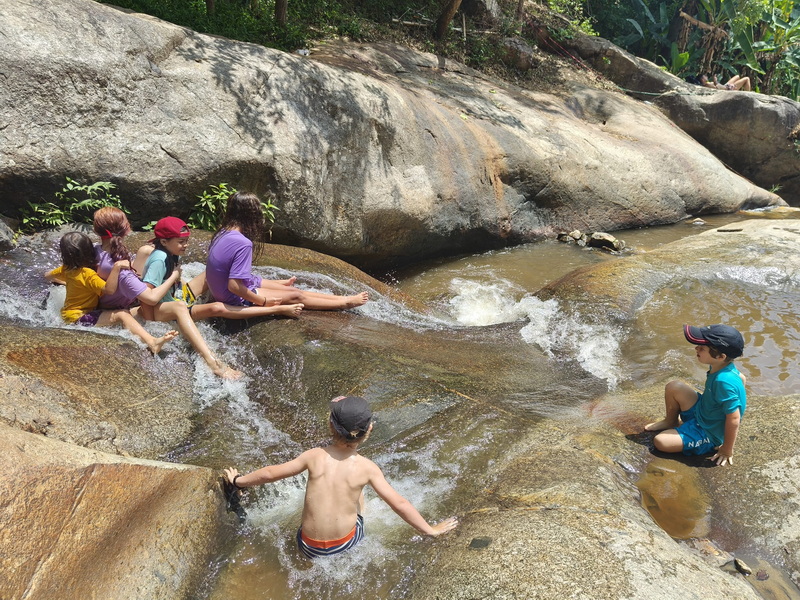
Mor Paeng Waterfall offers a contrasting stop to Sai Ngam. Instead of warm mineral pools beneath forest cover, visitors encounter flowing water and rock formations in a natural outdoor setting. Conditions can change with the season, and wet surfaces may be slippery, so sturdy footwear and careful movement are advisable. Swimming or climbing should only take place where local guidance indicates that it is safe. The waterfall works well as part of a day focused on Pai-area nature, but travelers should allow time for the road and for changing weather.
Its value is not limited to taking photographs. Pausing beside moving water gives travelers another way to notice the region’s vegetation, terrain, and seasonal character. Keep the area clean, avoid loud behavior, and respect other visitors who may be enjoying the surroundings quietly.
Santichon Village
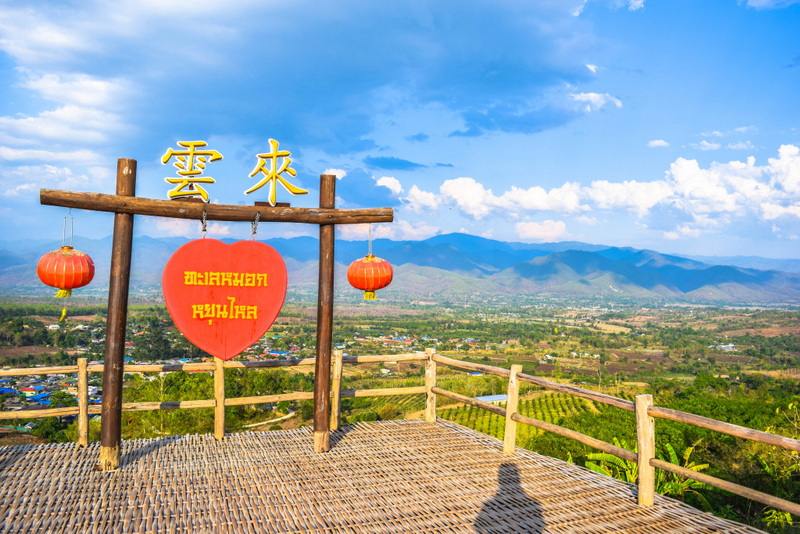
Santichon Village is a cultural stop near Pai where visitors can learn about the community’s Chinese heritage, food traditions, architecture, and local livelihoods. It should be approached as a living community rather than a themed backdrop. Visitors can support the area by using local services appropriately, asking before taking close-up photographs, and avoiding assumptions about identity or history. A guide or locally provided interpretation can help place what is seen in a broader context.
The village adds a human dimension to an itinerary centered on hot springs and waterfalls. Travelers may notice differences in building styles, flavors, and community presentation, but a brief visit cannot explain every aspect of local life. Respectful observation and genuine interest are more appropriate than expecting staged entertainment or treating residents as part of the scenery.
A Last Look at the Journey
Sai Ngam Hot Spring fits naturally into a wider journey through Pai District and Mae Hong Son Province because it offers calm rather than spectacle. Combined with time for Mor Paeng Waterfall, Santichon Village, and the region’s longer mountain roads, it helps create an itinerary with varied rhythms and respectful encounters. Whether arranged independently or through a combined tour from Chiang Mai, the strongest plan leaves realistic space for travel, changing conditions, and local guidance. Approach the spring as a shared natural place, and the visit becomes one thoughtful part of a much richer Mae Hong Son experience.



No comments:
Post a Comment