Karen Hilltribe Perspectives Across Northern Thailand
A respectful cultural overview of living heritage, community perspectives, and more thoughtful travel choices
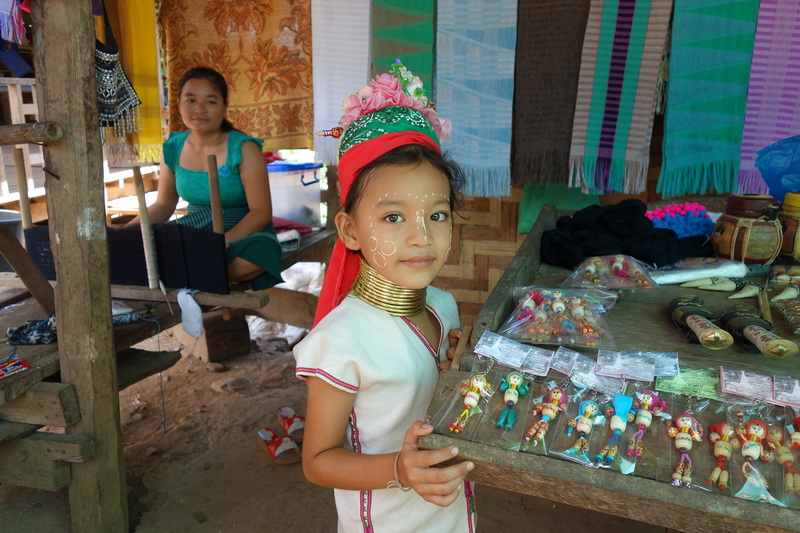
Northern Thailand is home to diverse communities whose languages, histories, belief systems, and livelihoods cannot be reduced to a single hill-tribe story. Karen communities are among the region’s most widely known indigenous peoples, but their identity is broader and more complex than the images often used in tourism marketing. A meaningful visit begins by recognizing people as contemporary communities with their own priorities, not as exhibits from the past. The term Karen Hilltribe is commonly used by travelers, although many Karen people describe themselves through more specific community, language, and regional identities. Tourism discussions also sometimes place Kayan communities under the popular label Karen Long Neck, even though Kayan and Karen are distinct peoples. Understanding this distinction is part of respectful travel. It encourages visitors to ask careful questions, avoid assumptions, and listen to local explanations. This cultural overview considers the Karen within the wider landscape of Northern Thailand Indigenous Tribes. It also explains how travelers can assess Chiang Mai Travel Packages and related excursions according to their approach to consent, interpretation, and community benefit. The aim is not to promise an untouched encounter, but to help culture-focused travelers engage with living communities in a more informed and dignified way.
A Diverse Northern Thailand Cultural Landscape
Northern Thailand includes communities with different origins, languages, and relationships to the land. Karen, Hmong, Lahu, Lisu, Akha, Mien, and other groups are often discussed together in travel writing, yet this grouping can conceal important distinctions. Each community has its own histories of migration, political experience, religious practice, agricultural knowledge, artistic traditions, and internal diversity. Some people live in upland villages, while others have long-standing connections to towns and cities. Rural location alone does not define identity.
Karen communities are found across several parts of Thailand and neighboring countries. Their cultural life may include Karen languages, family networks, textile traditions, music, farming knowledge, Christian or Buddhist practices, and local forms of spiritual belief. These elements vary from place to place and between generations. A village should therefore not be treated as a complete representation of all Karen people. The most responsible interpretation leaves room for difference rather than presenting one simplified portrait.
For visitors, this broader context changes the purpose of a cultural excursion. The goal is not to collect photographs of distinctive clothing or enter a village expecting a staged version of tradition. It is to approach a community with humility, learn what local hosts choose to share, and understand that cultural continuity can include adaptation. Modern education, mobile communication, wage work, migration, and changing economic needs all form part of contemporary indigenous life.
Understanding Karen Heritage Beyond a Label
Karen heritage is often associated with woven textiles, musical traditions, agricultural knowledge, and strong community relationships. Textiles can carry meaning through color, pattern, technique, and the circumstances in which they are made. They are not simply decorative souvenirs. When travelers encounter weaving or handmade goods, it is considerate to ask whether a craftsperson wishes to explain the work and whether purchasing directly is appropriate. A fair exchange recognizes time, skill, and choice rather than treating an object as proof of authenticity.
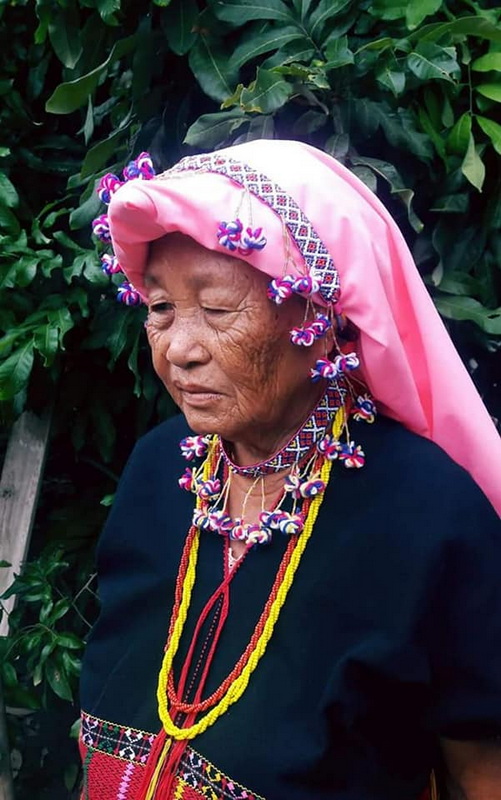
Karen communities have also maintained knowledge connected with forests, crops, water, and seasonal work. Such knowledge should not be romanticized as evidence of an unchanging life. Communities make practical decisions in response to land access, conservation rules, market conditions, education, and other pressures. A guide or host may offer only a partial perspective, and that is normal. Listening without demanding a complete cultural explanation shows greater respect than expecting one conversation to answer every question.
Travelers should also use language carefully. Karen Hill Tribe is a familiar search phrase, but it can sound as though a varied people are being defined mainly by their location on hills. Likewise, the familiar terms Karen Long Neck and Karen Longneck Village are often used in commercial descriptions of communities where women wear brass coils. In many cases these communities are Kayan, a distinct ethnic group. Asking how residents identify themselves, and following the terminology preferred by local people, is more respectful than repeating a convenient label without context.
What Respectful Engagement Looks Like
Consent should guide every personal interaction. Ask before taking photographs, especially of children, elders, religious activities, homes, and people engaged in work. A refusal should be accepted immediately and without pressure. Even when photography is permitted, avoid directing a person’s pose or asking them to repeat a task for a better image. Visitors should remember that a short encounter for them may be part of a resident’s daily working environment.
Dress and behavior should suit a community setting rather than a party atmosphere. Modest clothing, a quiet manner around homes and sacred spaces, and attention to local guidance are useful starting points. Do not touch textiles, ornaments, tools, or religious objects without permission. Avoid jokes about appearance, accents, poverty, or customary dress. These choices may seem small, but they help prevent a visit from turning people into scenery.
Ethical engagement also involves money and attention. If a community sells food, crafts, or locally produced items, visitors can ask how purchases are organized and whether buying directly supports makers. Bargaining aggressively over a handmade object may ignore the labor involved. At the same time, a traveler is not required to buy something to prove respect. A genuine conversation, when welcomed, should not be treated as a transaction, and a community should never be pressured to perform culture for visitors.
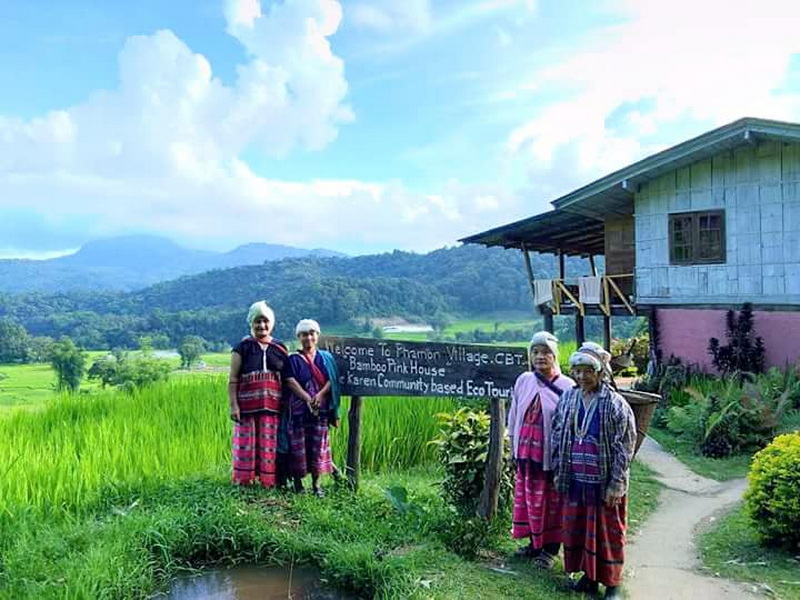
Responsible travelers should be alert to simplified narratives. Claims that a community is completely isolated, frozen in the past, or waiting to be rescued are usually more useful to marketing than to understanding. A good cultural interpreter acknowledges complexity, explains what is known, and avoids speaking for every resident. If a visit raises difficult questions about displacement, citizenship, land rights, or economic opportunity, those subjects deserve care rather than a quick dramatic answer.
Reading Travel Packages Through a Cultural Lens
Chiang Mai Travel Packages vary in how they present cultural visits. Instead of choosing only by the number of stops or the promise of an unusual photograph, read descriptions for signs of thoughtful interpretation. Look for clear acknowledgment of the communities being visited, language that presents residents with dignity, and an explanation of how local participation shapes the experience. A package that allows time for listening and learning may be more meaningful than one that treats several communities as quick stops.
Travelers can ask useful questions before booking. Who provides the cultural information? Are local guides, hosts, artisans, or community organizations involved in planning or leading the visit? Are photography expectations explained? Does the description distinguish Karen communities from Kayan communities rather than blending them into one label? How does the operator respond when a resident does not wish to be photographed or approached? Clear answers do not guarantee perfection, but they reveal whether cultural responsibility has been considered.
A package that supports cultural understanding should avoid promises of an untouched or guaranteed authentic experience. Culture is not a product that can be guaranteed on demand. More credible descriptions emphasize exchange, context, and respect. They may present opportunities to learn about weaving, foodways, local history, or community perspectives without suggesting that one activity represents an entire people. This approach protects both visitors and residents from unrealistic expectations.
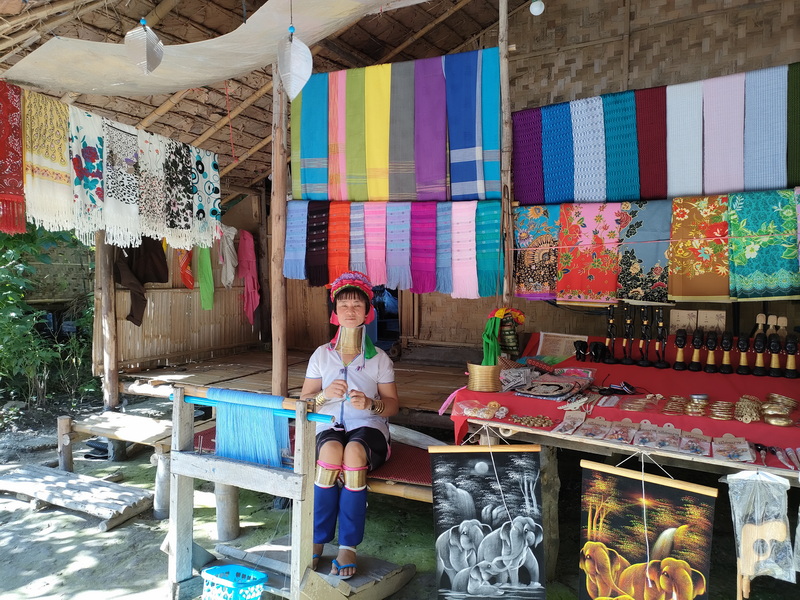
The phrase Karen And Karen Longneck Hill Tribe Travel Guide may appear in searches for Northern Thailand experiences, but readers should treat it as a starting point for research rather than a precise cultural category. A careful guide explains the difference between related and distinct communities, identifies the limits of a short visit, and encourages visitors to follow local preferences. The best package is not necessarily the most dramatic; it is one that creates space for informed, voluntary, and mutually respectful contact.
Carrying Curiosity With Humility
Before visiting, learn a little about the community named in the itinerary and consider why you want to go. Curiosity about language, craft, history, or food can lead to respectful questions. Curiosity focused only on unusual appearance or photographic novelty can easily become intrusive. It helps to prepare a few open questions, such as what visitors commonly misunderstand or which local traditions people are proud to discuss, while accepting that hosts may prefer ordinary conversation.
During the visit, observe the rhythm of the place. Follow instructions about where to walk, where to sit, and which areas are private. Let a local host decide how much information to share. If translation is needed, allow the guide to interpret rather than interrupting repeatedly. Afterward, describe the experience accurately: one visit offered a particular perspective, not definitive knowledge of all Karen people or all Northern Thailand Indigenous Tribes.
Finally, think about the relationship that travel leaves behind. Ethical tourism is not only a matter of polite behavior during a few hours. It includes supporting locally chosen livelihoods, avoiding harmful stereotypes in social media captions, and acknowledging community agency. When travelers share photographs or stories, they can identify people only with permission and avoid presenting residents as exotic symbols. Respect continues after the journey ends.
A Last Look at the Journey
A visit connected with the Karen Hilltribe can become more than a familiar tourism image when it is grounded in context, consent, and listening. Travelers do not need to arrive with perfect knowledge, but they should be willing to question labels and follow the preferences of the people they meet. By choosing culturally thoughtful packages, recognizing distinctions among communities, and treating residents as partners rather than attractions, visitors contribute to a more dignified form of cultural tourism. The most valuable souvenir may be a more careful understanding of Northern Thailand’s living, diverse heritage.



No comments:
Post a Comment