Patara Elephant Farm Half Day Experiences in Chiang Mai
How to pair a focused elephant learning visit with outdoor activities and nearby discoveries in Hang Dong District
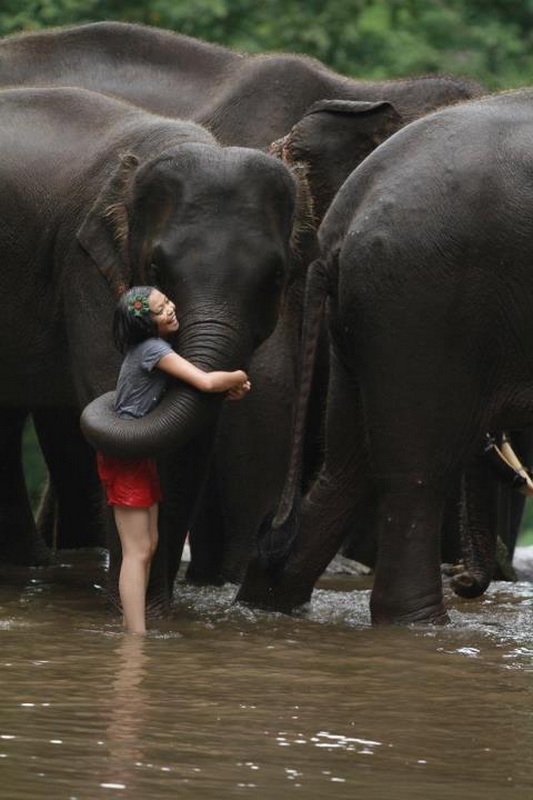
A half-day visit can be the most useful way to experience Patara Elephant Farm when your Chiang Mai itinerary already includes several different interests. Rather than treating the farm as a quick photo stop, allow the visit to have its own purpose: learning how elephant care is organized, seeing how handlers communicate with individual animals, and taking part in selected routines under guidance. The experience is based in Hang Dong District, Chiang Mai, where an elephant-focused morning or afternoon can be balanced with a separate outdoor or cultural activity. This makes planning more important than simply collecting attractions. A visitor interested in a Half Day Elephant Tour Chiang Mai can keep the farm as the central activity, then choose one contrasting addition that suits their energy and available daylight. Travelers comparing Top Adventure Tours Chiang Mai may prefer a forest-based challenge, while others may want a quieter cultural stop. The key is to understand what the farm program involves before deciding what belongs before or after it.
Begin with the elephant program, not the spare hours
Patara Elephant Farm is best planned as a complete learning experience rather than as an empty space in an already crowded day. The farm’s visitor format is commonly associated with an Elephant Owner for a Day style of participation, offered in forms that can suit a shorter visit. The central idea is that guests are introduced to practical care instead of being brought only for a brief viewing opportunity. The exact activities and length can change, so the current half-day program should be checked before booking.
The visit generally follows a care sequence. Participants may be introduced to the elephant assigned to the session, learn how to observe its condition, help prepare or offer food, and receive guidance while walking beside the animal. Depending on the current program, bathing or other supervised care activities may also form part of the experience. These are not interchangeable attractions: observation is primarily about reading behavior and condition, guided care involves a staff-led task, demonstrations show how experienced handlers work, and visitor participation is limited to activities the program considers suitable.
That distinction matters for planning. Someone expecting a performance or a fast-moving adventure may find the pace more deliberate than anticipated. Someone interested in Patara Elephant Training is likely to appreciate the emphasis on communication, routine, and individual attention. The useful question is not how much contact can be fitted into a morning, but which parts of the care sequence are included in the current session and whether they match the kind of learning the visitor wants.
Understand what training looks like in practice
Patara Elephant Training is easier to understand when viewed as a working relationship between people and elephants, rather than as a single trick or staged display. A training-oriented visit can introduce cues, positioning, feeding routines, and basic health observation. Staff guidance gives visitors a framework for seeing how an elephant responds to familiar handlers and how the animal’s condition affects the day’s activities.
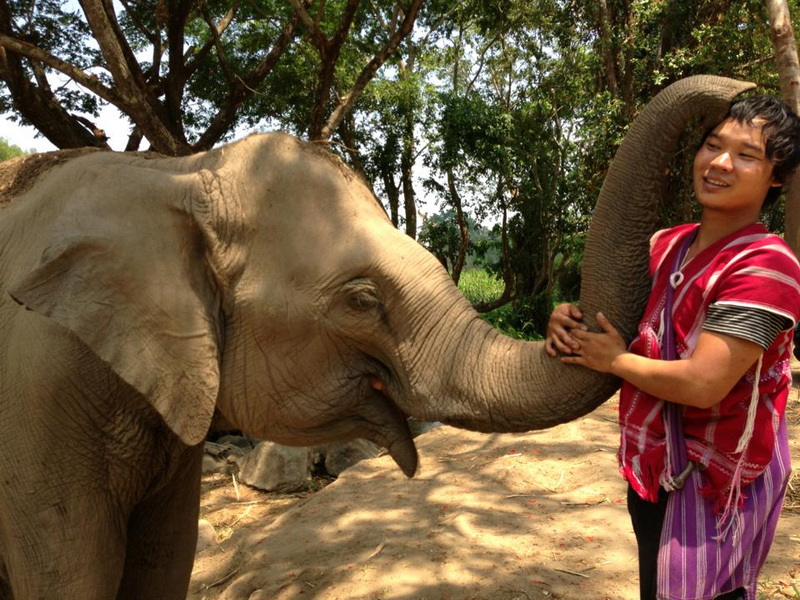
The visitor role is supportive and limited. A guest may watch a demonstration, follow instructions for offering food, assist with a suitable care task, or walk at the elephant’s pace. These moments should not be confused with taking over the handler’s role. The purpose is educational participation, while decisions about the animal’s movement and welfare remain with trained staff. Current program descriptions should be read carefully because the balance between demonstration and hands-on activity may differ between formats.
This approach also explains why a farm visit can take longer emotionally than its clock time suggests. Guests are asked to notice small details: appetite, alertness, gait, body language, and the animal’s response to its surroundings. A program built around those observations may feel rewarding to travelers who prefer understanding a process to watching a spectacle. It also gives first-time visitors a more realistic basis for interpreting Patara Elephant reviews, since reviews often reflect different expectations about pace, participation, and proximity.
Choose one adventure that changes the mood
The phrase Top Adventure Tours Chiang Mai covers very different kinds of outings, so it helps to select by physical demand rather than by popularity alone. A forest zipline experience provides height, speed, and a sequence of platforms; it contrasts sharply with the attentive, ground-level rhythm of elephant care. It may suit travelers who want an energetic second activity, but it is a poor pairing if the same day already contains a lot of movement or if the visitor prefers an unhurried schedule.
Whitewater rafting offers another distinct option. Its appeal comes from teamwork, water, and changing river conditions, not from animal interaction or cultural interpretation. It can create a memorable adventure-focused day, yet it usually requires more concentration and physical readiness than a casual add-on. Visitors should confirm the current season, river conditions, and operator requirements rather than assuming that every rafting option fits immediately before or after a farm session.
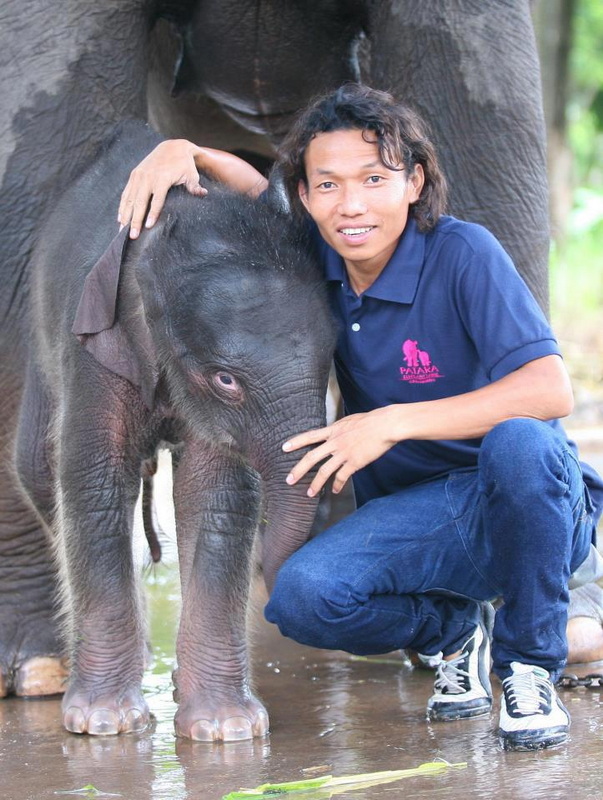
ATV or off-road excursions provide a mechanical, terrain-based experience, with the route and driving element forming the main attraction. They may appeal to travelers who want dust, trails, and a stronger sense of speed. The contrast can be useful: the elephant visit supplies observation and care, while the ride supplies controlled excitement. However, combining both is sensible only when the visitor has enough recovery time and is comfortable with the activity’s current safety requirements.
A gentler alternative is a guided nature walk, cycling outing, or short outdoor exploration arranged separately from the farm. These choices offer movement without making the day revolve around adrenaline. They are often easier to combine with a half-day elephant program because the visitor can adjust the pace and stop paying attention to the clock. In every case, the farm should remain one main experience and the adventure should be treated as a complement, not as a second full itinerary.
Make the half-day format work for different travelers
For a first-time international visitor, the morning or afternoon decision should begin with attention span and comfort. A focused farm session works well for travelers who want a clear introduction to care practices without committing an entire day. It also leaves room for a separate meal, rest period, or carefully chosen activity. Because the farm experience may include walking, standing, and outdoor conditions, the spare hours should not automatically be filled with the most strenuous option available.
Families and mixed-interest groups can use the half-day format to avoid forcing everyone into the same kind of entertainment. One person may be most interested in the training explanation, while another may value the outdoor setting or a later cultural visit. Agreeing in advance that the farm is the shared anchor and the second activity is optional can make the day more comfortable. The same principle helps couples and solo travelers avoid turning a meaningful visit into a race between reservations.
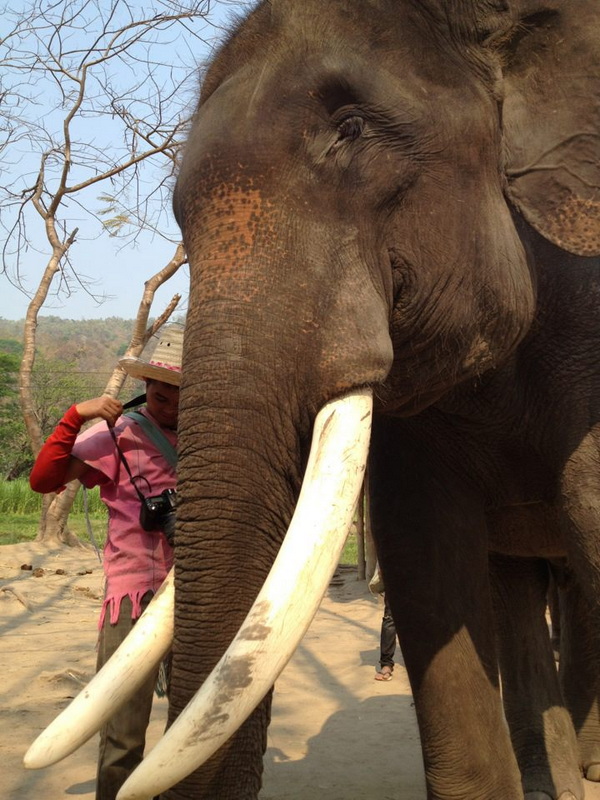
A practical plan should also leave space for the unexpected. Weather, changing animal behavior, or a longer conversation with staff can alter the rhythm of a session. The current program description should confirm what is included, which tasks are visitor-facing, and whether any activity is demonstration-only. This is more useful than relying on a generic itinerary, because it lets the traveler choose a realistic second stop without assuming that every advertised element will have the same timing or emphasis.
Use reviews as preparation, not as a substitute for facts
Patara Elephant reviews can help identify practical patterns, especially when several accounts mention the same pace, amount of walking, staff explanation, or type of participation. They are less reliable when used as proof that every visitor will have an identical encounter. A reviewer seeking adventure may describe a calm session as too quiet, while a traveler seeking education may regard that same pace as a strength.
Read reviews for concrete details rather than dramatic labels. Comments about how instructions were explained, whether the day felt physically demanding, and how clearly visitors understood their role can help set expectations. Then compare those observations with the farm’s current information. This two-step approach reduces the risk of planning around an old description or assuming that a personal preference represents the whole program.
The phrase Patara Elephant Conversation can be useful as a planning idea as well as a search phrase: make room for the explanations that connect elephant behavior, care, and local working knowledge. A conversation with staff is not a replacement for a formal training demonstration, but it can give context to what visitors see. The strongest half-day plan therefore protects time for learning instead of measuring success by the number of activities completed.
Nearby Attractions
Ob Luang National Park
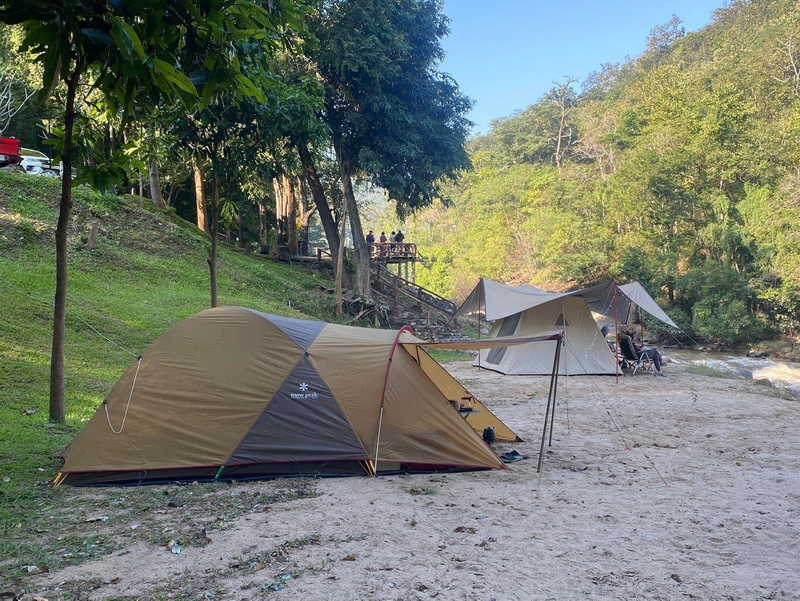
Ob Luang National Park is a better companion for travelers who want to extend the day into a larger natural setting rather than add another high-intensity attraction. Its gorge, forested landscape, and walking opportunities create a different visual scale from the farm. Because it is a substantial nature outing rather than a quick nearby stop, it should be treated as a separate planning block and not casually added after an already full elephant session.
For a half-day strategy, the park may work best as the main outdoor focus on another part of the itinerary, or as the contrasting idea that helps a visitor decide against booking a demanding adventure on the same day. The value is in changing environments thoughtfully, not in claiming that every attraction can be combined comfortably.
Baan Tawai Wood Carving Village
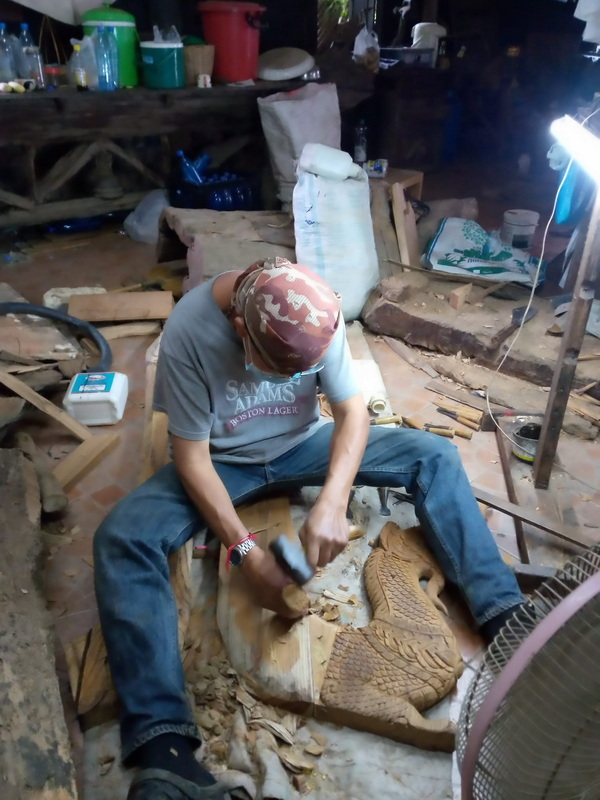
Baan Tawai Wood Carving Village offers a cultural counterpoint to the farm. Its craft setting shifts attention from animal care and outdoor participation toward woodwork, design, and local making traditions. That difference can be welcome after a session requiring close attention to an elephant’s behavior, particularly for visitors who want the second half of the day to be quieter and visually focused.
The village is most useful in a plan that values contrast rather than volume. Allow time to browse at a comfortable pace and check current opening arrangements before relying on it as a fixed follow-up. Pairing a farm visit with a craft-oriented stop can create a more varied day without presenting the two experiences as versions of the same attraction.
A Last Look at the Journey
Patara Elephant Farm can fit neatly into a Chiang Mai itinerary when the visit is given a clear role. Expect a structured introduction to care, observation, demonstrations, and selected supervised participation rather than a generalized entertainment stop. Confirm the current Patara Elephant Training format, note which activities are actually included, and use Patara Elephant reviews to refine expectations instead of replacing current information. Then choose one complement: a demanding outdoor adventure if energy allows, a gentler nature activity if the day should stay flexible, or Baan Tawai Wood Carving Village for a cultural change of pace. Ob Luang National Park is better reserved for a substantial nature plan than treated as an automatic add-on. This approach keeps the Half Day Elephant Tour Chiang Mai meaningful while still leaving room for the wider character of Hang Dong District, Chiang Mai.



No comments:
Post a Comment