Understanding the Lahu Hill Tribe in Northern Thailand
A respectful cultural overview of Lahu identity, regional diversity, and meaningful travel connections
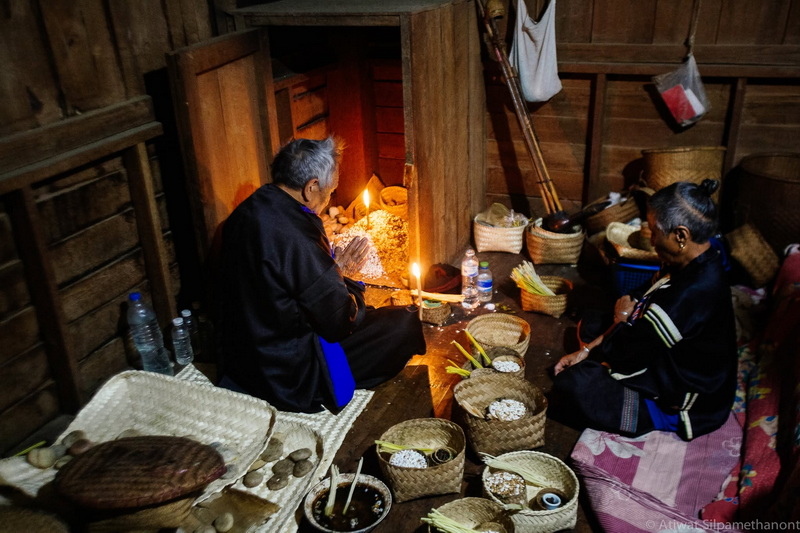
Northern Thailand is home to a remarkable range of communities whose histories, languages, beliefs, and relationships with the landscape do not fit into a single cultural category. The phrase Northern Thailand Indigenous Tribes is often used in travel and educational discussions, yet it should not suggest that all communities share one identity. Lahu, Karen, Hmong, Akha, Lisu, and other peoples have distinct traditions and local histories, even where neighboring communities have influenced one another over time. Within this regional mosaic, the Lahu Hill Tribe offers an important example of cultural continuity and change. Lahu communities are connected by language and broad cultural heritage, but daily life can differ between villages and families. Religious practice, dress, livelihood, language use, and contact with surrounding Thai society are not identical everywhere. A thoughtful understanding therefore begins with curiosity rather than assumptions. For culture-focused travelers, the Lahu story also provides a useful way to consider how tourism represents indigenous communities. A visit should not reduce people to costumes, photographs, or simplified traditions. Instead, it can encourage attention to local voices, consent, and the ordinary dignity of community life. This perspective is more valuable than searching for a single “typical” village experience.
A Region of Many Histories
Northern Thailand’s upland communities have developed within a wider mainland Southeast Asian region shaped by migration, trade, changing political borders, and relationships between valleys and mountains. The term “hill tribe” is common in tourism and older administrative language, but it can conceal substantial diversity. It describes geography more readily than it explains identity. Each community has its own name, language varieties, social relationships, and understanding of belonging.
Lahu communities are found across parts of southwestern China, Myanmar, Laos, and northern Thailand. Their presence in Thailand reflects movements that took place over generations rather than one single migration event. Families and villages have experienced different historical circumstances, including changes in state borders, land policies, education, and access to markets. This background helps explain why Lahu culture should be understood as living and adaptive, not as a frozen remnant of the past.
Comparisons with neighboring peoples can be useful when handled carefully. Karen communities, for example, have their own languages and cultural traditions; Hmong and Lisu communities likewise possess distinct histories and identities. Shared regional influences may appear in foodways, agricultural knowledge, clothing materials, or religious practices, but similarity does not erase difference. The most respectful approach is to ask how people describe themselves and to recognize that identity may be expressed at several levels: family, village, ethnic community, national society, and faith.
What Shapes Lahu Cultural Identity
Lahu identity is often expressed through language, family relationships, customary knowledge, music, religious life, and connections to place. Lahu languages belong to the Tibeto-Burman branch of the Sino-Tibetan language family, although language use varies according to age, schooling, marriage patterns, and contact with Thai or other local languages. In some families, younger people may move comfortably between several languages, while elders may preserve vocabulary and stories that are less familiar to the next generation.
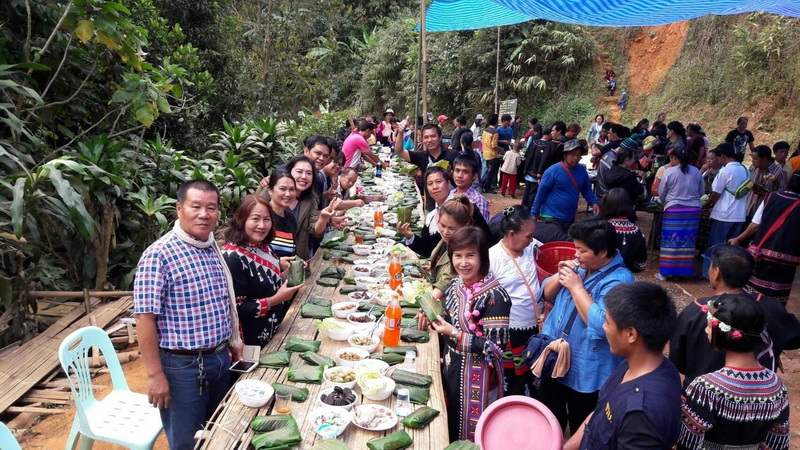
Lahu communities are not religiously uniform. Some follow forms of Christianity, while others practice Buddhism, local spiritual traditions, or combinations shaped by family and village history. Ritual life can include respect for ancestors, village well-being, household spirits, seasonal events, and moral responsibilities. It is important not to describe these beliefs as an exotic curiosity. For community members, they may be practical and meaningful ways of understanding relationships, responsibility, health, and the natural world.
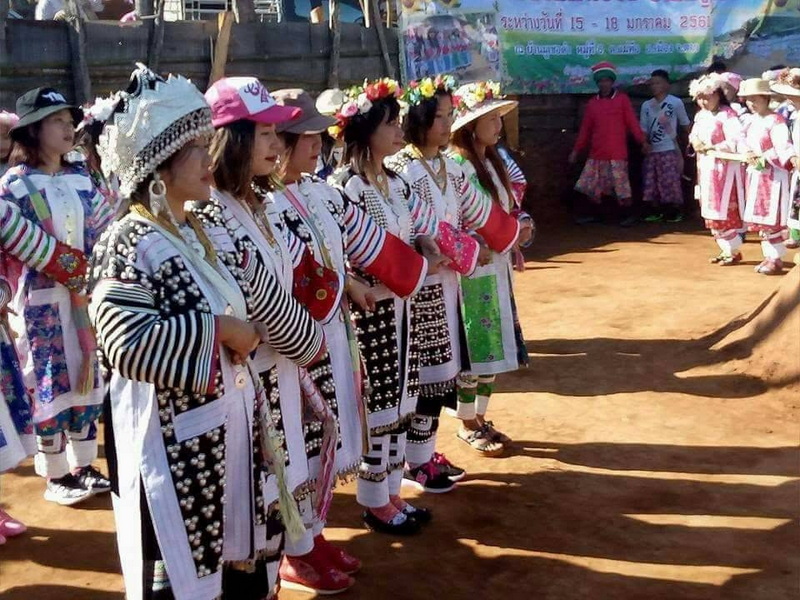
Music and dance are also sometimes presented to visitors as if they were performances detached from everyday life. In reality, songs, instruments, and communal celebrations can carry memories, values, and social meaning. Their place in public life differs by community and occasion. Clothing can be similarly varied. Traditional garments may be worn during ceremonies or cultural events, while modern clothing is part of ordinary life. Cultural change does not make Lahu identity less authentic; it demonstrates how communities negotiate continuity in a changing world.
Understanding the Muser Name
Visitors researching the Lahu Hill Tribe may also encounter the terms Muser Hill Tribe and Muser Hilltribe. In Thailand, “Muser” is commonly used as a name for Lahu people, particularly in travel, local, and historical contexts. However, labels can carry different meanings depending on who is using them and in what setting. The word should not be treated as a universal substitute that removes the importance of local identity, village affiliation, or personal preference.
Good Muser Hill Tribe Information Thailand should therefore explain context instead of presenting a checklist of supposed traits. A community may identify as Lahu, use Muser in a Thai-language setting, and also describe itself through a particular village, religious tradition, or family history. These layers can coexist. When a traveler speaks with a guide or resident, listening to the terms people choose for themselves is more considerate than insisting on one label.
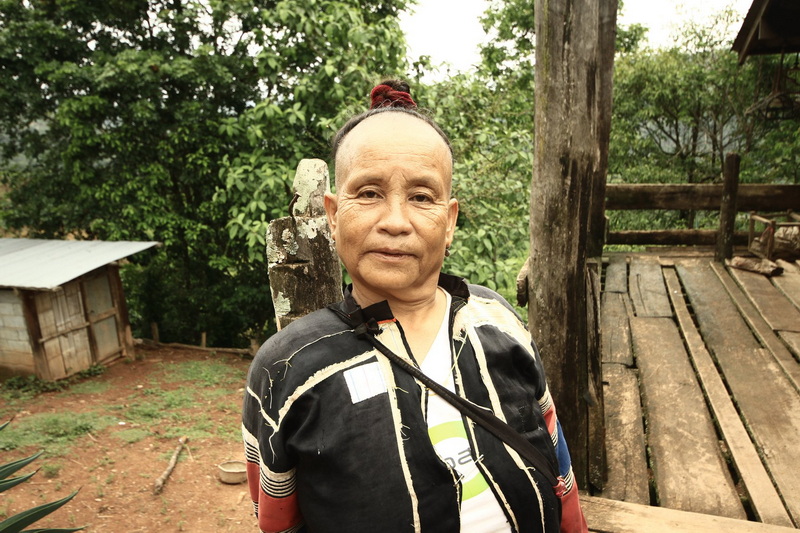
The same principle applies to spelling. English-language sources may write Lahu Hilltribe, Lahu Hill Tribe, Muser Hilltribe, or Muser Hill Tribe. Such variations often reflect transliteration and editorial convention rather than separate peoples. Search terms can help a reader find background material, but they should never replace careful cultural interpretation. The people behind the words are more important than achieving a perfectly standardized label.
Livelihood, Place, and Cultural Change
Lahu cultural life has long been connected with upland environments, agricultural knowledge, forests, water sources, and movement between settlements. Yet there is no single Lahu livelihood. Farming practices, wage employment, small businesses, education, and other forms of work may all contribute to household life. Economic decisions are influenced by land access, environmental conditions, market opportunities, public policy, and the goals of individual families.
This variety matters because visitors sometimes expect an indigenous village to represent an untouched past. That expectation is inaccurate and unfair. Roads, mobile phones, schools, formal employment, migration, and changing consumer habits are part of contemporary community life. A village can maintain language, ceremonies, and social responsibilities while also participating in modern education and regional economies. Cultural strength is not measured by how little a community changes.
Land and citizenship issues have also shaped the experiences of many highland communities in Thailand. Questions concerning documentation, conservation boundaries, access to education, and recognition of customary relationships with land can affect everyday security. These subjects are complex and differ by place, so travelers should avoid making broad claims about every Lahu village. What can be said generally is that cultural identity is linked not only to visible traditions but also to rights, belonging, and the ability to make decisions about community futures.
Meeting Communities with Care
Travelers considering Chiang Mai Travel Packages may see cultural visits described with broad phrases such as “hill tribe experience.” Before choosing an activity, it is worth asking how the community is involved, whether residents have agreed to visitor access, and whether local people guide the interpretation of their own culture. A responsible experience gives space to community voices rather than presenting residents as scenery for a visitor’s itinerary.
Consent should guide photography, conversation, and participation. Ask before taking a person’s photograph, especially children, elders, religious leaders, or anyone involved in a ceremony. A refusal should be accepted without pressure or offense. Visitors should also avoid entering homes, sacred spaces, farms, or community events unless invited. Small acts of courtesy protect privacy and communicate that residents are hosts and rights-bearing individuals, not attractions.
Cultural learning is stronger when it includes ordinary questions about language, food, education, work, and aspirations, rather than focusing only on unusual clothing or rituals. A traveler might listen to a local explanation, purchase crafts through a transparent community arrangement, or support locally directed initiatives when appropriate. It is equally important not to bargain aggressively, make promises that cannot be kept, or assume that buying something creates permission to photograph its maker.
For readers comparing Northern Thailand Indigenous Tribes, the most useful distinction is not which community is “most authentic.” Authenticity is a poor competition between living peoples. A better question is whether an encounter is accurate, consensual, and beneficial on terms shaped by the community. This approach allows visitors to appreciate regional diversity while recognizing that Lahu people, like all communities, are not defined solely by tourism.
A Last Look at the Journey
The Lahu Hill Tribe is best understood through relationships: between language and memory, land and livelihood, belief and community responsibility, and heritage and change. Lahu communities share broad connections, yet each has its own local character and history. Travelers who approach with patience can learn more by listening than by collecting images or simplified facts. Whether research begins with Muser Hill Tribe Information Thailand or with a planned cultural visit, the guiding principle remains the same: respect identity, seek consent, and let indigenous communities speak for themselves. That perspective turns regional travel into a more thoughtful exchange.



No comments:
Post a Comment