Wat Kam Ko in Mae Hong Son for Pai and Regional Temple Tours
Plan a thoughtful cultural stop while connecting Pai, Mae Hong Son, and nearby Shan heritage sites
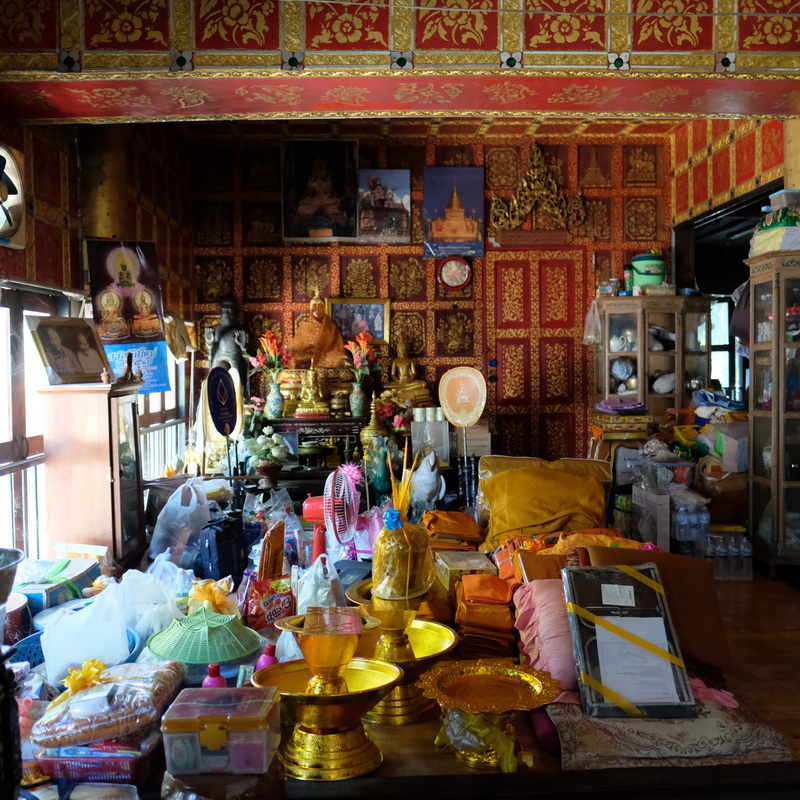
Wat Kam Ko offers a quieter way to experience the cultural character of Mae Hong Son. Rather than treating the temple as a quick photo stop, visitors can use it as a point of orientation: it helps connect the town’s religious landscape, Shan cultural influences, mountain setting, and the slower rhythm of travel in this northwestern corner of Thailand. The temple is especially suitable for independent travelers who want a meaningful pause between larger sightseeing stops. For travelers comparing a Pai And Mae Hong Son Tour From Chiang Mai, Wat Kam Ko can fit naturally into the Mae Hong Son portion of a wider route. Pai and Mae Hong Son have different atmospheres, and the journey between them is part of the experience, with winding mountain roads and changing landscapes. A combined itinerary should therefore allow time for cultural visits rather than trying to collect every attraction in a rushed sequence. This guide explains how to think about Wat Kam Ko within a regional trip, what to notice respectfully, and how nearby Ban Huay Sua Tao and Wat Phra That Doi Kong Mu can complement the visit. It focuses on practical planning without assuming fixed tour schedules, prices, or inclusions.
Understanding Wat Kam Ko as a Mae Hong Son stop
Wat Kam Ko is a Buddhist temple in Mueang Mae Hong Son District, within the town’s broader religious and cultural setting. Its value lies not only in individual architectural details but also in the way it contributes to the atmosphere of Mae Hong Son. The town is shaped by northern Thai and Shan traditions, and its temples provide an important introduction to that layered regional identity. Visitors do not need specialist knowledge to appreciate the site; attentive observation and respectful conduct are more useful than trying to interpret every feature.
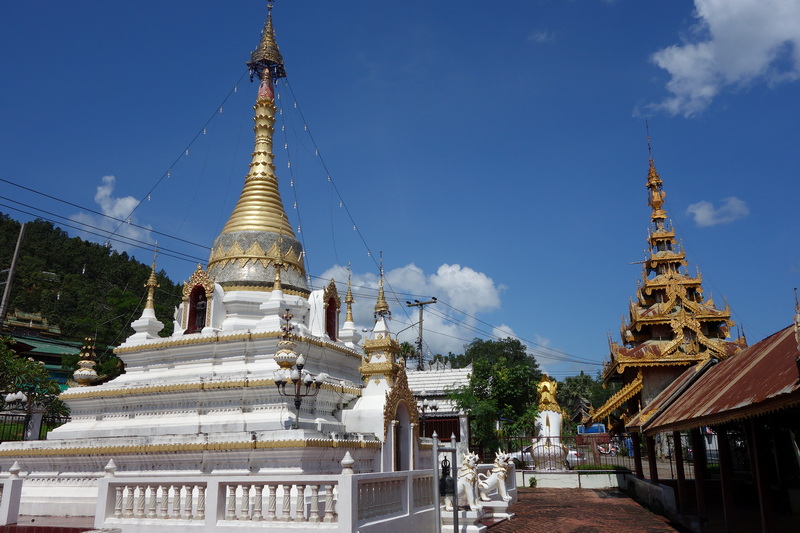
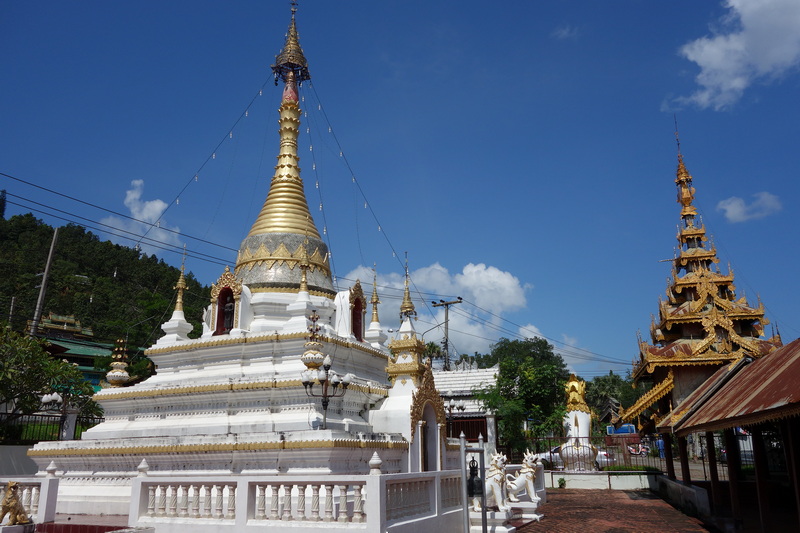
The temple can appeal to travelers who prefer a calm cultural visit over a highly staged attraction. The grounds and buildings invite visitors to notice roof forms, decorative elements, proportions, and the relationship between religious architecture and the surrounding town. Details may be easier to appreciate when the visit is unhurried. A short period of quiet observation can also help explain why temples remain active places of worship rather than simply heritage displays.
A visit to Wat Kam Ko should be approached with ordinary temple etiquette. Dress modestly, keep voices low, follow any signs or local instructions, and avoid entering restricted areas. Ask before photographing people, ceremonies, or close details of religious objects. If worshippers are present, give them space. These simple choices make the experience more considerate and help preserve the dignity of the site.
Where the temple fits between Pai and Mae Hong Son
Searches for a Pai And Mae Hong Son Tour From Chiang Mai often describe a multi-stop journey rather than a single local excursion. Chiang Mai is the usual starting point for travelers heading toward Pai and then onward to Mae Hong Son, although routes can also be arranged in the opposite direction. Because the region is mountainous, the trip is best understood as a route through northern landscapes and communities, not merely a list of destinations connected by the shortest road.
Pai is widely associated with a relaxed small-town atmosphere, cafés, viewpoints, and countryside experiences, while Mae Hong Son offers a more subdued provincial setting with temples, lakeside scenery, and cultural landmarks. Combining both places gives travelers contrast, but it also requires realistic expectations about travel time. Mountain roads can make distances feel longer, and frequent stops may turn a simple transfer into a full travel day.
Wat Kam Ko works well as part of the Mae Hong Son town section of such an itinerary. Travelers arriving from Pai can reserve time for the temple after settling into the town, while those leaving Mae Hong Son can visit before continuing their route if the day’s arrangement permits. Exact timing depends on the transport plan, weather, road conditions, and the opening or access arrangements of individual sites, so a flexible plan is safer than a tightly packed schedule.
When comparing tour descriptions, look beyond the headline wording. Terms such as Mae Hong Son loop, Pai and Mae Hong Son combination, overland journey, private route, or sightseeing tour may refer to very different pacing and transport arrangements. Check how much time is allocated in Mae Hong Son, whether temple visits are included or optional, and whether the route is designed for a brief overview or a slower cultural experience. This is particularly important for travelers who want to visit Wat Kam Ko without feeling hurried.
Making a temple visit comfortable and respectful
A practical visit begins with modest preparation. Comfortable clothing is useful for a day that may include several cultural sites, while footwear that can be removed easily is convenient if a building requires visitors to leave shoes outside. Carrying water is sensible in a warm climate, but drinks should remain outside areas where they are not appropriate. Sun protection can also help during walks between stops, although visitors should still dress in a way that respects the religious setting.
Photography deserves a measured approach. Architectural views and exterior details may be suitable subjects, but a camera should never distract from worship or block paths. Avoid climbing on structures, touching decorative features, or treating sacred images as props. A temple’s quiet moments are part of its character, so putting the camera away for a while can make the visit more rewarding.
Independent travelers should allow room for changes. Weather in the mountains can affect road travel, and a combined route may take longer than expected because of bends, traffic, meal breaks, or other agreed stops. If using a driver or guide, explain that Wat Kam Ko is a genuine point of interest rather than a pass-through photo opportunity. If traveling independently, confirm the route locally and avoid assuming that every building or area is accessible at every hour.
The best travel plan balances structure and openness. Reserve the main route in advance if necessary, but leave a little unscheduled time in Mae Hong Son. That space allows travelers to appreciate a temple at a comfortable pace, pause for the surrounding town, or adjust plans if conditions change. It also reduces the temptation to rush through religious sites simply to meet an ambitious checklist.
Seeing Wat Kam Ko within the wider town
Wat Kam Ko becomes more meaningful when viewed as part of Mae Hong Son’s connected cultural landscape. Temples are not isolated objects; they sit within a living town where residents worship, gather, maintain traditions, and move through everyday routines. This perspective encourages visitors to look beyond a building’s appearance and consider how the site functions for the local community.
The temple also helps explain why Mae Hong Son Attractions are often best experienced as a collection of related places rather than as one headline landmark. A religious site, a hilltop viewpoint, a local community, and the surrounding scenery can each reveal a different aspect of the province. Visitors should not expect every stop to offer the same kind of experience. Some are visually striking, while others reward patience, context, or a willingness to observe quietly.
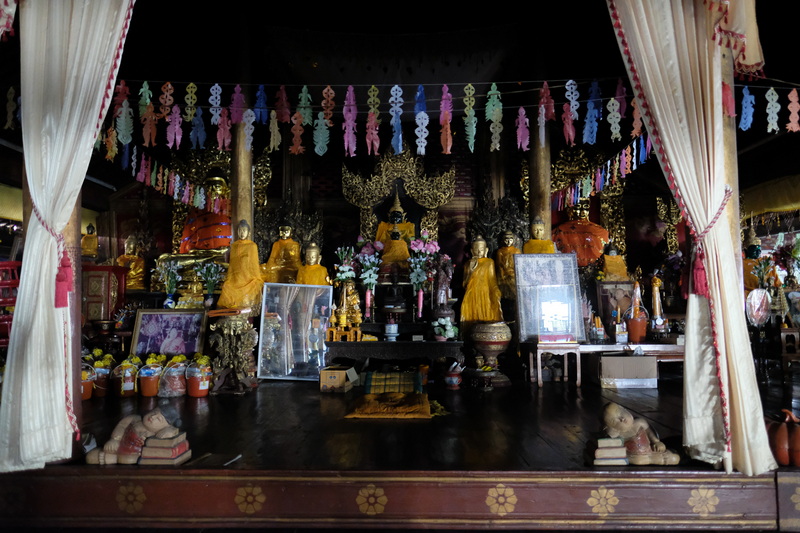
For a culture-focused traveler, the most useful question is not whether Wat Kam Ko is the largest or most famous site. It is how the temple contributes to an understanding of Mae Hong Son. Its peaceful setting, religious purpose, and connection to the town’s regional identity make it a thoughtful stop for travelers who want more than scenic photographs. That role is particularly valuable on a multi-day route, when a quieter visit can balance busier viewpoints and road sections.
Combining the temple with a wider journey
A balanced route can place Wat Kam Ko alongside one nearby cultural landmark and one community-based experience, while keeping enough time for travel between destinations. This approach is more comfortable than attempting to cover every named attraction in a single morning. It also gives each location a clearer purpose: one may provide architectural context, another a broader view of the town, and another insight into local life.
Travelers joining an organized tour should ask practical questions before confirming the arrangement. Find out whether the itinerary passes through Pai or stays within Mae Hong Son, how long the vehicle is expected to remain at each stop, and whether temple visits are guided, self-directed, or dependent on local conditions. Ask about the general pace as well. A route suitable for a traveler who enjoys long road days may feel tiring to someone who wants extended cultural visits.
Those creating a private or independent plan can use Wat Kam Ko as an anchor rather than a fixed endpoint. Begin with the temple, continue to a selected nearby attraction, and leave time for rest before another road section. This keeps the day adaptable and makes it easier to respond respectfully if a religious activity is taking place. The goal is not to create the most crowded itinerary, but to understand the region through a sequence of manageable encounters.
In this context, Wat Kamko is a modest but worthwhile part of a Mae Hong Son visit. It offers cultural texture, a chance to slow down, and a useful connection between the town’s temples and the wider Pai–Mae Hong Son travel corridor. Travelers who approach it with curiosity and courtesy are likely to find that its importance comes from atmosphere and context as much as from any single architectural detail.
Nearby Attractions
Ban Huay Sua Tao
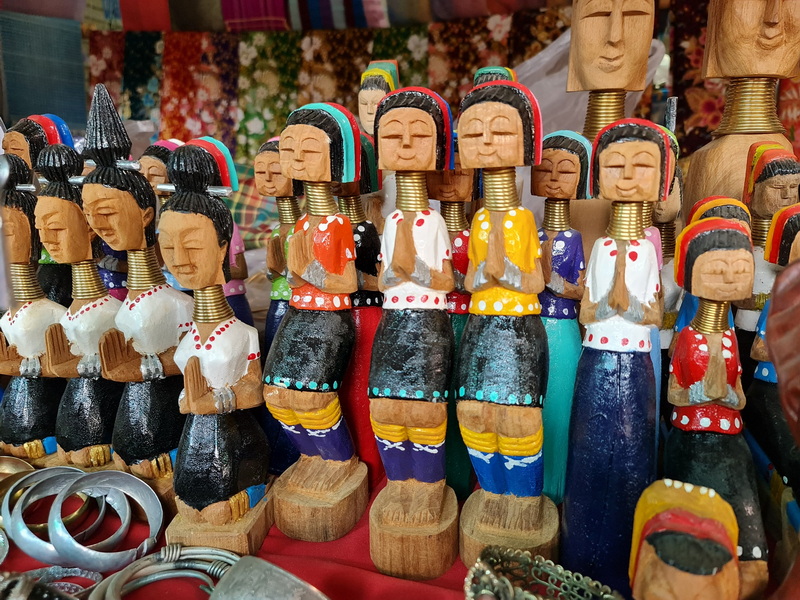
Ban Huay Sua Tao can add a community and cultural dimension to an itinerary that includes Wat Kam Ko. Visitors should approach the village respectfully, remembering that it is a lived-in community rather than a performance space created solely for tourism. Observe local guidance, ask before taking photographs, and avoid making assumptions about residents or traditions. A considerate visit focuses on learning and responsible interaction.
The village is best paired with a flexible schedule because the experience depends on local circumstances and the way visitors are welcomed. It can complement Wat Kam Ko by shifting the focus from religious architecture to community life. Travelers should confirm current access arrangements through a reliable local source and allow enough time for the journey rather than treating the stop as an automatic add-on.
Wat Phra That Doi Kong Mu
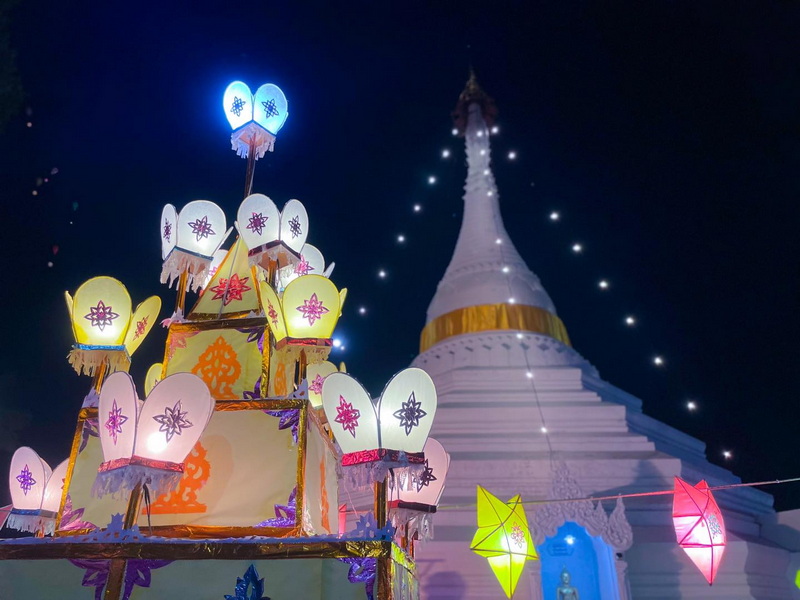
Wat Phra That Doi Kong Mu is one of the most recognizable religious landmarks in Mae Hong Son, set on a hill above the town. Its elevated position gives visitors a broader perspective on the surrounding valley and helps place the town’s temples within the mountain landscape. The hilltop setting also makes it a natural complement to a quieter visit at Wat Kam Ko.
The two temples offer contrasting impressions. Wat Kam Ko encourages close attention to the town’s cultural atmosphere, while Wat Phra That Doi Kong Mu presents a more expansive outlook and a prominent landmark setting. Include both only if the route and physical pace are comfortable. As at any active temple, visitors should dress respectfully, follow site instructions, and avoid disturbing worshippers while enjoying the views.
A Last Look at the Journey
Wat Kam Ko is a gentle introduction to the cultural depth of Mae Hong Son and a useful stop within a wider Pai and Mae Hong Son journey from Chiang Mai. Its value becomes clearer when the visit is unhurried and connected with nearby places such as Ban Huay Sua Tao and Wat Phra That Doi Kong Mu. Allow realistic travel time, check current arrangements, and treat every religious and community site with care. With that approach, a combined route can feel less like a checklist and more like a thoughtful passage through northern Thailand.



No comments:
Post a Comment