Guided Tours and Family-Friendly Experiences at Chiang Rai Walking Street
A considerate family guide to markets, guided visits, nearby landmarks, and shared cultural experiences
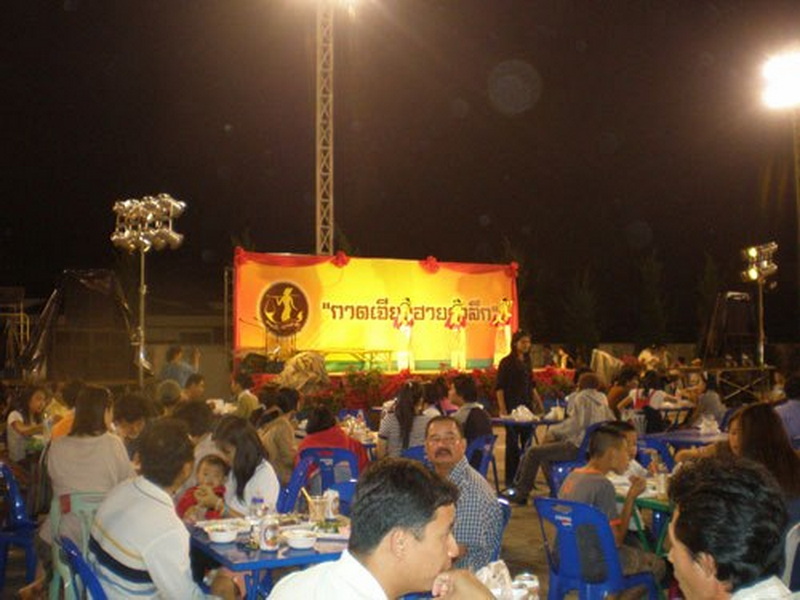
A visit to Chiang Rai Walking Street can be an easy way for families and groups to experience everyday food, crafts, music, and community life in Mueang Chiang Rai District, Chiang Rai. The market setting is lively without requiring a long formal tour, yet a thoughtful guide can help visitors understand what they are seeing and make the outing more comfortable for different ages. Families may appreciate the chance to move at their own pace, pause for refreshments, and choose only the activities that suit their group. The street is also known as Chiang Rai Khon Muan Street, and it is often described in English as Chiangrai Walking Street. Rather than treating the market as a checklist of performances or purchases, visitors can approach it as a shared public space. Children can notice colors, sounds, and unfamiliar ingredients, while adults can pay attention to local craft traditions and the etiquette of browsing. This Chiang Rai Walking Street Travel Guide focuses on guided-tour choices, family suitability, nearby excursions, and respectful participation rather than fixed schedules or package claims. For groups arriving from Chiang Mai, the market may form one part of a wider cultural day or multi-stop visit. The most successful plan usually leaves room for rest, conversation, and changing interests. A guide can provide context, but families still benefit from making decisions together and allowing local community life to remain the focus.
Choosing a Guided Visit That Works for a Family Group
Chiang Rai Guided Tours can take several forms, so families should first decide what kind of support they actually need. A walking-oriented cultural guide may explain the market’s setting, common foods, handicrafts, and everyday customs. A broader sightseeing guide may connect the walking street with heritage sites or countryside attractions. For a group with young children, a shorter market-focused visit can be more manageable than a tightly packed day with many stops. Older travelers may prefer a slower pace and regular opportunities to sit or pause.
When comparing tour descriptions, useful questions concern pace, group size, language, accessibility, and the amount of free time. A guide who welcomes questions can help children engage without turning local people into displays. Families can also ask whether the visit is adaptable if someone becomes tired or needs a quieter moment. Exact arrangements vary between operators and should be confirmed directly, but the principle is consistent: a suitable tour should support observation and understanding rather than rush every member of the group through the same sequence.
A good guide may introduce visitors to the meaning of respectful market behavior, such as asking before photographing people or handmade goods, keeping walkways clear, and handling products carefully. These small explanations can turn an ordinary shopping stop into a useful cultural lesson. They also help children understand that a market is not simply an attraction created for tourists; it is a place where vendors work and residents gather. Groups should listen when a guide explains boundaries and avoid expecting private stories, posed photographs, or special treatment.
Reading Chiangrai Walking Street at a Child-Friendly Pace
For many families, the appeal of Chiangrai Walking Street lies in its variety. Food stalls, local products, and informal community activity provide natural conversation starters, even when a child does not recognize every dish or object. Adults can invite children to identify sounds, compare textures, or choose one unfamiliar food to learn about, while making clear that tasting is optional. This approach encourages curiosity without treating local cuisine as a novelty or pressuring anyone to participate.
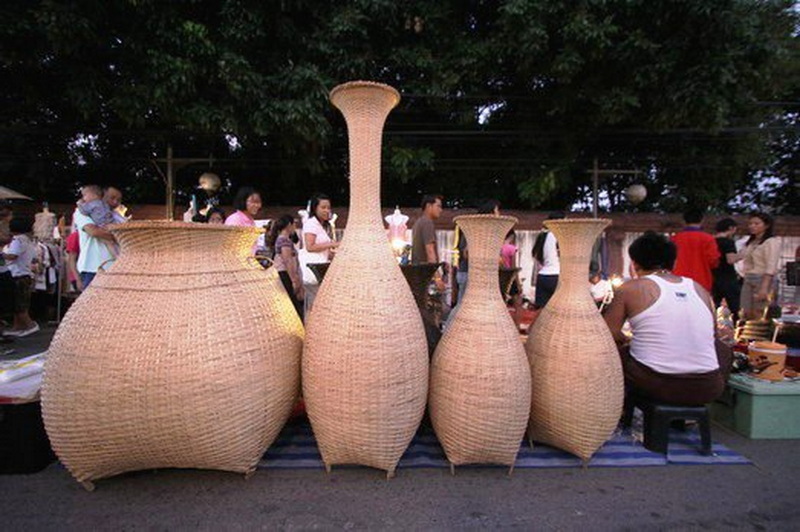
Groups should agree on simple meeting points and boundaries before entering a busy area. Children may become absorbed by a display, and adults may pause to speak with a vendor, so a clear plan reduces stress. Comfortable clothing, patience, and attention to walking surfaces are more valuable than trying to see everything. If the market becomes crowded or noisy, stepping aside for a break is sensible. Visitors should also keep personal belongings close and supervise children normally, just as they would in any busy public space.
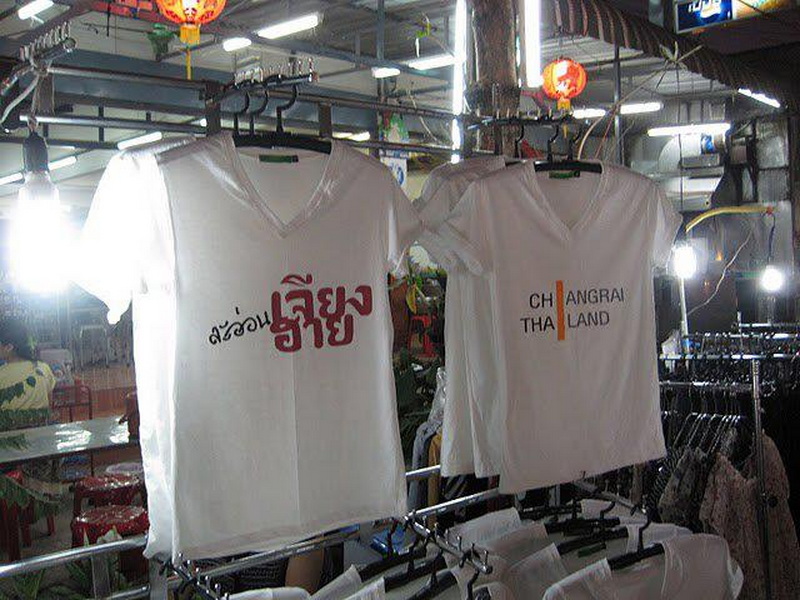
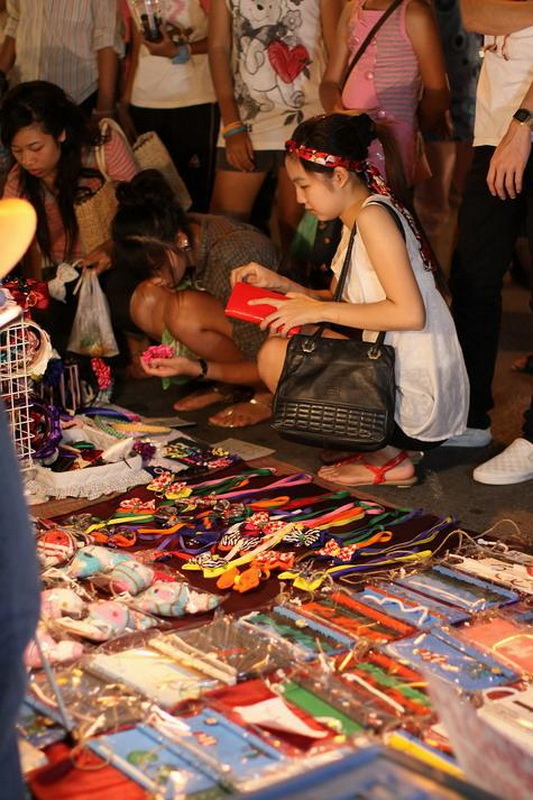
The experience can be especially rewarding when adults explain that buying is not the only form of participation. Looking carefully, greeting vendors politely, and thanking people after a purchase are meaningful interactions. Families can choose locally made items because they genuinely value them rather than bargaining aggressively over small differences. If a child takes an interest in a craft, a guide may help explain its materials or use, but visitors should avoid touching work without permission. Such habits support a more balanced relationship between guests and the community.
Linking the Visit with Family Interests Beyond the Market
Some travelers search broadly for Chiang Mai Family Friendly Attractions while planning a northern Thailand holiday, then add Chiang Rai as a separate cultural setting. That planning approach can be useful because it encourages families to compare the needs of different destinations instead of assuming every stop offers the same experience. A market evening, a temple visit, and a nature outing each require different levels of energy and attention. Building variety into a trip can help children stay interested while giving adults a clearer sense of the region.
Families coming from Chiang Mai should discuss the purpose of the Chiang Rai visit before selecting a guided option. If the main interest is food and community life, the walking street deserves enough unhurried time. If children are more interested in open landscapes, a nearby attraction may provide a welcome contrast. If grandparents or members with limited stamina are traveling, the group can prioritize accessible viewing and flexible pauses. A private or small-group arrangement may offer more adaptability, but visitors should judge any option by its stated inclusions and suitability rather than by broad promotional language.
The cultural connection between market life and sightseeing is best explained with care. Northern Thailand has diverse communities, histories, beliefs, and artistic practices, and no single market can represent all of them. Guides should present information accurately and avoid reducing local culture to costumes, spectacle, or a few familiar symbols. Families can encourage children to ask respectful questions, listen to different perspectives, and understand that people living in the area are participants in contemporary life, not part of a staged scene.
Practical Decisions for a Calm Group Outing
A family itinerary benefits from a simple rhythm: arrive with enough energy, explore one area at a time, pause before anyone is overtired, and leave room for independent browsing. Because operating conditions and vendor participation can change, visitors should check current information close to the date of travel rather than relying on an old timetable. A guide or local information source can clarify conditions, while the family keeps expectations flexible. This is especially important when children are traveling, since weather, appetite, and attention span can change quickly.
Food choices deserve ordinary care rather than alarm. Adults can ask about ingredients when allergies or dietary restrictions matter, and children should be offered familiar alternatives alongside new possibilities. Sharing food should be based on consent, and visitors should avoid blocking stalls while deciding. Carrying reusable water bottles where practical can reduce unnecessary waste, though families should follow local rules and use safe drinking water. Small, considerate actions make the market more pleasant for vendors and other visitors.
Groups should also think about photography. A stall display may be easy to photograph, but a person at work or a child accompanying a vendor deserves privacy. Ask first, accept refusal without argument, and avoid using a camera when it interferes with a transaction. The same principle applies to religious or heritage references encountered during a guided outing: observe quietly, follow posted guidance, and dress and behave in a manner appropriate to the setting. Respect does not make a visit less enjoyable; it gives the experience a more honest foundation.
Nearby Attractions
Rong Khun Temple

Rong Khun Temple, commonly known in English as the White Temple, offers a striking contrast to the informal atmosphere of the market. Its highly distinctive contemporary design invites questions about art, symbolism, and religious space, making it potentially engaging for families when approached with suitable context. A guide can help explain that the site should be treated as a place of religious and cultural significance, not only as a backdrop for photographs.
Families should allow children to observe quietly, follow any visitor guidance, and avoid touching architectural details or entering restricted areas. The visual setting may hold attention, but a respectful visit also includes awareness of worshippers and other guests. Since conditions and access arrangements can change, confirm current visitor information before including Rong Khun Temple in a wider plan connected with Chiang Rai Walking Street.
Singha Park

Singha Park provides a different kind of stop, with open surroundings that may suit groups wanting a change from the concentrated activity of an urban market. Families can use a nature-oriented visit to balance time spent browsing stalls and listening to explanations. Children often benefit from having space to notice landscapes and move at a gentler pace, while adults can discuss how cultivated land, recreation, and tourism meet in the area.
Visitors should follow current site guidance, stay within permitted areas, and avoid making assumptions about wildlife or guaranteed activities. The park is best included according to the interests and energy of the group rather than as an automatic addition to every itinerary. Linking it with a market visit can work well when the schedule remains flexible and the family treats both places as distinct environments with their own rules and character.
A Last Look at the Journey
Chiang Rai Walking Street can give families a welcoming setting for shared discovery, especially when a guided visit adds context without controlling every moment. Children can learn through food, craft, and observation, while adults can model patience, consent, and respect for community life. Rong Khun Temple and Singha Park offer contrasting nearby experiences, but neither needs to be rushed into the plan. By choosing a pace that suits the group, checking current arrangements, and engaging thoughtfully with local people and places, visitors can leave with more than photographs: they can carry a clearer understanding of how travel and everyday life meet in Chiang Rai.



No comments:
Post a Comment