Ku Chang Ku Ma A Cultural Guide to Lamphun Heritage
Understanding Lamphun’s sacred landscape through local tradition, respectful travel, and thoughtfully planned regional visits
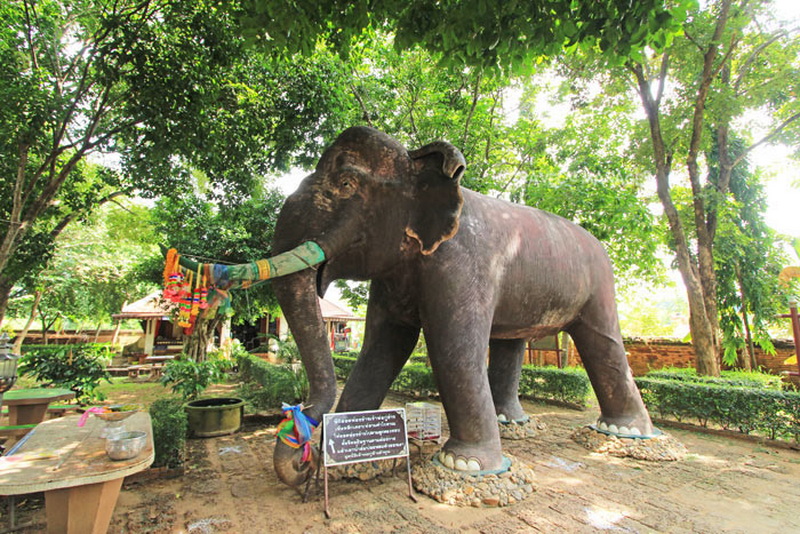
Ku Chang Ku Ma is a quiet cultural landmark in Mueang Lamphun District, Lamphun, where local history, religious belief, and stories connected with the ancient Hariphunchai kingdom come together. Rather than being only a brief sightseeing stop, the site offers an opportunity to consider how memory is preserved through Buddhist monuments and community traditions. The name is commonly understood as referring to an elephant and a horse. Local tradition connects the two stupas with animals associated with Queen Chama Devi, the revered founder of Lamphun’s early kingdom. Stories surrounding the site may vary in detail, so visitors are best served by treating them as living heritage rather than as a single legend that must be reduced to a fixed explanation. This cultural guide places Ku Chang Ku Ma within a wider visit to Lamphun. It also explains how a Lamphun Thailand Travel Guide and Chiang Mai Travel Packages can help travelers connect several heritage sites without approaching them as interchangeable attractions. The most rewarding visit is observant and unhurried, allowing the setting, religious context, and continuing local respect for the site to remain central.
Why Ku Chang Ku Ma Matters in Lamphun
Ku Chang Ku Ma is associated with two distinctive chedi-like monuments traditionally linked to a royal elephant and horse. In Lamphun’s cultural memory, these animals are not treated simply as decorative symbols. They belong to stories about authority, loyalty, protection, and the founding traditions of the former Hariphunchai center. The site therefore reflects a relationship between political history and spiritual remembrance that is characteristic of many old northern Thai communities.
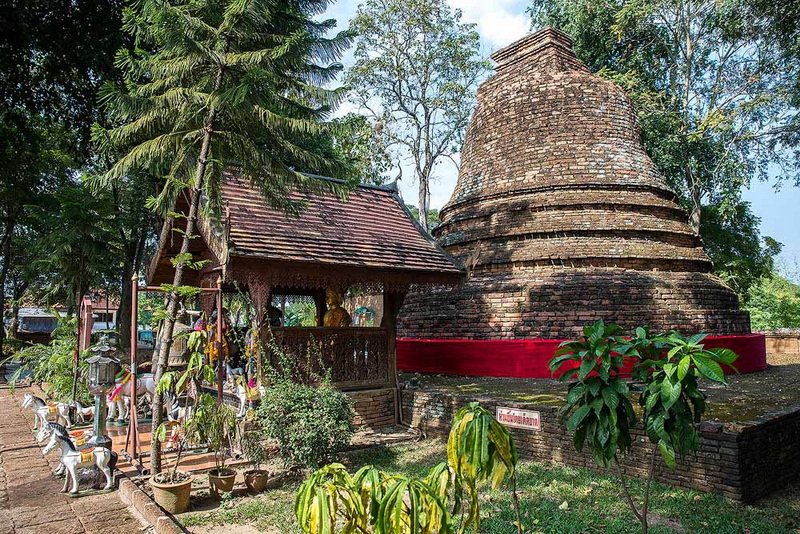
The monument’s importance is also connected with Queen Chama Devi, a central figure in Lamphun’s historical identity. Accounts of her life combine historical memory, religious tradition, and legend, and different tellings may emphasize different details. A respectful visitor does not need to decide which elements are literal before appreciating the place. It is enough to recognize that these narratives continue to shape how people understand Lamphun and its past.
The word “ku” is used in northern Thai contexts for a mound or stupa, while “chang” and “ma” refer to an elephant and a horse. This linguistic meaning helps explain why the landmark is often described in English as the elephant and horse stupas. Names can appear in several spellings, including Kou Chang Kou Ma and Kou Chang Kou Ma Lamphun. These variations usually point to the same cultural destination, but travelers should still check map labels carefully when making plans.
How to Read the Site as Living Heritage
The most useful way to approach Ku Chang Ku Ma is as a sacred place that happens to welcome visitors, not as a museum display created solely for tourism. The monuments carry religious associations, and nearby community life may continue while a traveler is looking around. A calm pace, modest clothing, and a quiet voice are appropriate. If local worshippers are present, their activities should take priority over photography or close inspection.
Visitors may notice that the site does not communicate its meaning through a long sequence of interpretive exhibits. Its character comes from form, setting, oral tradition, and its relationship with Lamphun’s other religious landmarks. Reading about the Hariphunchai period before arriving can make the visit more meaningful, but written background should support observation rather than replace it. Details such as the shape of the stupas, surrounding trees, offerings, and signs of regular care can help reveal how heritage remains part of daily life.
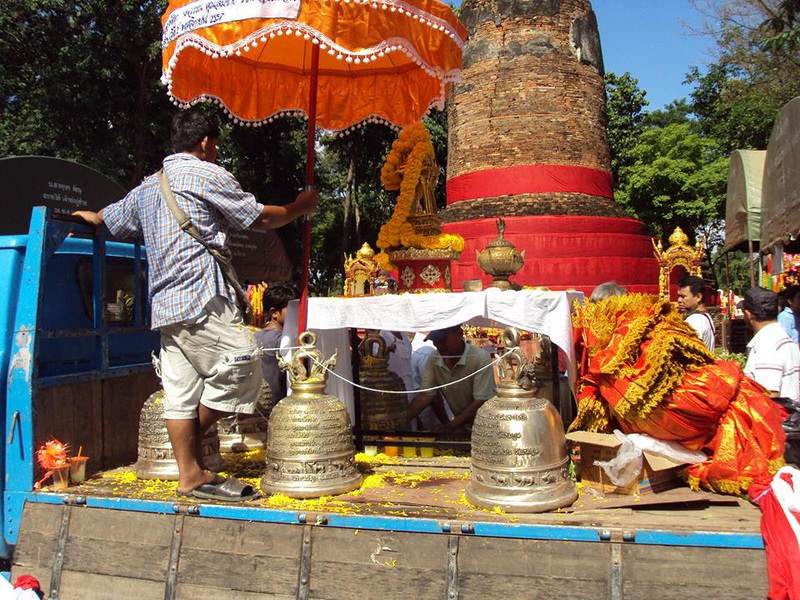
Photography should be considerate. Ask permission before photographing people, avoid placing cameras directly in front of worshippers, and do not touch monuments or offerings. Travelers should also avoid climbing on structures, moving objects, or treating sacred symbols as props. These simple choices protect the dignity of the place and help ensure that cultural tourism benefits from attention without turning devotion into spectacle.
Building a Thoughtful Lamphun Visit
A visit to Ku Chang Ku Ma works especially well as part of a broader day of cultural exploration in Lamphun. The town’s heritage is compact in character, yet each site presents a different view of the region’s religious and historical development. Instead of trying to collect photographs quickly, travelers can leave space to notice contrasts between royal traditions, Buddhist architecture, community shrines, and ordinary streets. This approach suits independent visitors as well as those traveling with a guide.
A reliable Lamphun Thailand Travel Guide can provide useful regional context, directions, seasonal considerations, and reminders about temple etiquette. Because smaller heritage sites may not have the same visitor infrastructure as major attractions, it is sensible to confirm current access information locally and allow flexibility. Exact opening arrangements, ceremonies, and local practices can change, so travelers should not assume that an online description represents every day.
Chiang Mai Travel Packages may include Lamphun as a cultural extension from Chiang Mai, particularly for travelers who want to see more than the larger city’s well-known temples. Package travel can reduce the need to coordinate transport and can provide historical interpretation, but the quality of the experience depends on whether the schedule leaves room for respectful observation. Before choosing an organized option, travelers should ask whether the visit supports local etiquette, allows adequate time, and avoids presenting sacred places as hurried photo stops.
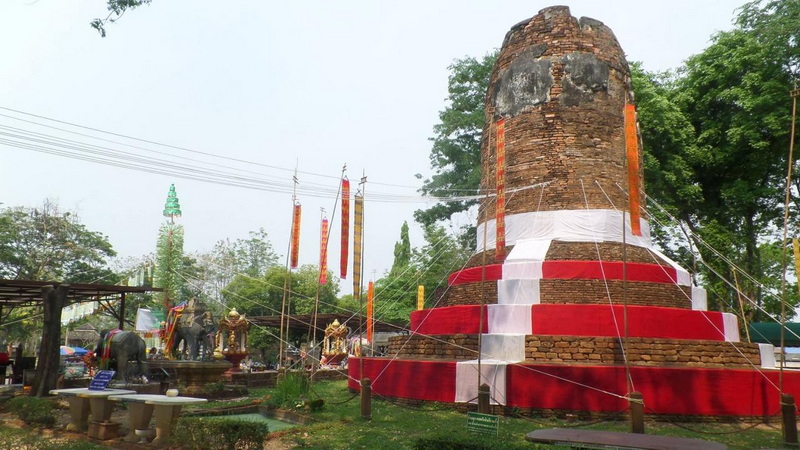
Independent travelers can use the same principles when arranging their own transport. Keep the plan flexible, carry water, protect yourself from strong sun, and wear clothing suitable for entering religious surroundings. If traveling during a festival or important Buddhist observance, expect a different atmosphere and follow instructions from local residents or temple staff. The purpose is not to seek a guaranteed performance of tradition, but to be receptive to the place as it is encountered.
Connecting the Monument with Lamphun’s Wider Story
Ku Chang Ku Ma becomes easier to understand when considered alongside Lamphun’s wider network of religious and historical places. The city is associated with Hariphunchai heritage, Buddhist devotion, and layers of northern Thai history that cannot be represented by one monument alone. A visit can therefore prompt broader questions: how do communities remember founders, how are animals represented in royal traditions, and how do sacred sites remain meaningful after political centers change?
The landmark also illustrates why cultural travel benefits from local interpretation. A guide, resident, or trustworthy historical source may explain names and traditions in ways that a short sign cannot. Travelers should remain open to variations in storytelling rather than treating differences as errors. Oral history often carries emotional and communal meaning even when it does not follow the format of an academic chronology.
For visitors searching for a Ku Chang Ku Ma Travel Guide, the essential advice is simple: learn a little before arriving, look carefully while there, and leave the site undisturbed. Search terms such as Ku Chang Ku Ma Lamphun, Ku Chang Ku Ma Mueang Lamphun, and Ku Chang Ku Ma Thailand can help distinguish this destination from similarly named places, but respectful conduct matters more than finding the perfect wording. The landmark is valuable because it remains connected to people, belief, and place.
Nearby Attractions
Wat Phra Yuen
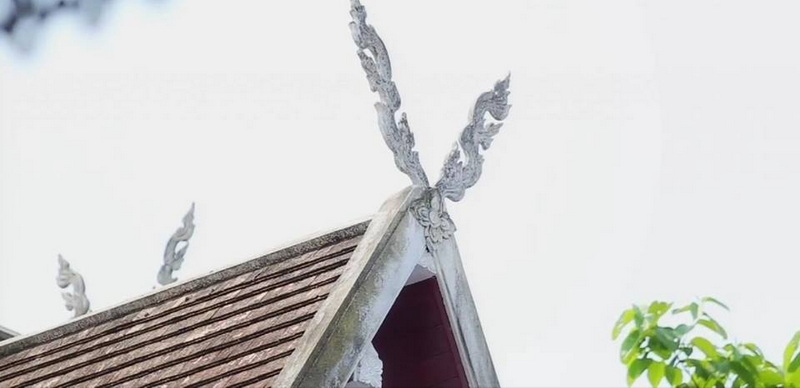
Wat Phra Yuen adds another layer to a cultural visit in Lamphun. The temple is known for its substantial brick-and-stucco chedi and its connection with northern Thai Buddhist architecture. Its appearance reflects the region’s long religious history, while the temple setting remains a place of worship rather than a purely historic monument. Travelers should look for architectural details patiently and avoid reducing the visit to a comparison of visual styles.
The temple can help visitors place Ku Chang Ku Ma within a broader sacred landscape. Both sites encourage attention to continuity: monuments may be old, but they are encountered within living communities and ongoing religious practice. Modest clothing, quiet behavior, and care around photography are appropriate. When planning a combined visit, allow enough time for each location to be experienced on its own terms rather than rushing through them as a checklist.
Wat San Pa Yang Luang
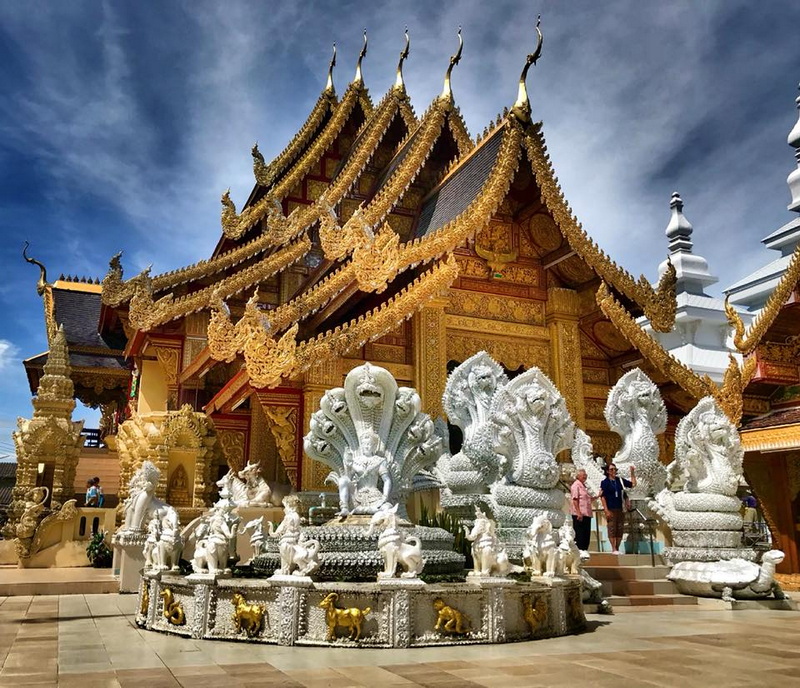
Wat San Pa Yang Luang is another significant religious landmark to consider when exploring Lamphun. The temple is recognized for its Lanna architectural character and intricate decorative work, offering a different visual emphasis from the stupa forms associated with Ku Chang Ku Ma. Its details reward slow observation, especially for travelers interested in craftsmanship, religious art, and the ways northern Thai design expresses devotion.
A visit here can complement the stories connected with Lamphun’s early heritage by showing how temple art and architecture continue to communicate Buddhist values. As with any active temple, visitors should follow posted or locally given guidance, keep voices low, and avoid interrupting ceremonies. Including Wat San Pa Yang Luang in a cultural day is most respectful when the purpose is learning and appreciation, not simply accumulating attractions.
A Last Look at the Journey
Ku Chang Ku Ma offers a small but meaningful point of entry into Lamphun’s cultural landscape. Its elephant-and-horse traditions, connections with Queen Chama Devi, and sacred setting invite visitors to think beyond surface-level sightseeing. Whether reached independently or through Chiang Mai Travel Packages, the visit is strongest when paired with patience, local awareness, and respect for living religious practice. With Wat Phra Yuen and Wat San Pa Yang Luang adding further context, travelers can leave Lamphun with not only photographs, but also a deeper appreciation for how memory, faith, and community remain closely connected.



No comments:
Post a Comment